好产品,没钱推广怎么办Good Product, No Budget: What Then?
一次公司内部讲座的笔记:好产品没钱推广时该怎么做营销。Notes from an internal company talk on how to promote a good product without a marketing budget.
下午听了莎莎姐主讲的公司内部讲座。感觉干货颇多且对具体工作方向性指导有很大帮助,于是整理了一下笔记。
好产品应该具备哪些特质
1)真正解决具体问题。如:嘀嘀打车
2)得到验证的自增长能力。如:微信
3)有逻辑通顺的价值链或盈利模式。如:哔哩哔哩。
另外这里主讲人说了无觅作为反例,不展开
互联网时代的营销
互联网时代的营销特质
1)人间信息传播效率爆炸式提升信息以1ton的形式传播,于是信息差不再存在。之前315晚会出现的指哪打哪的情况不再出现(比如一蹶不振的hp)。消费者更倾向于从同样身为消费者的朋友/网友得到信息。
2)被看见的成本降低广告内容效率大幅度提高,所以不要再需要为被看见付费。电视广告/地铁广告等传统渠道广告对互联网企业而言不再具有吸引力。 3)自媒体产品就是自媒体。使用自己的产品进行自推广,自己掌握喉舌。这里主讲人举了例子:如果你一直通过某个媒体报道自己,突然有一天这个媒体反水了怎么办?那不是傻逼了..
互联网时代怎么做推广
1)找到关键人,不要去找关键的媒介
这个思维顺序是这样的:最刚需的场景–核心人群–关键人物。不要去考虑“波及”它,去直接接触,并促成体验。这个是什么意思呢?举个栗子:比如你要推猎豹wifi,那么最刚需的场景自然是在学校使用,核心人群自然也就是学生了。想到这一步是比较容易的。
那么如何推广到学生群体?一个平庸的推广人员可能会想到直接到人人网打广告–这样就是“波及”他(这个词其实我也不知道怎么样描述比较好。可以理解为通过不直接的方式去让受众了解你想要他们了解的东西)而一个高阶的推广人员则会直接接触。很简单,既然需要让学生群体了解,直接去找学生,让他们体验就好了。滚到学生宿舍,把猎豹wifi安装上,妥妥的。口碑传播呐。又比如做打车产品,就应该去机场,去出租车集散地找到司机,并促进其安装体验,并分享传播。而不是在马路上打广告。
2)让分享成为体验的一部分
这里就说到了如何让核心人物体验的问题。主讲人将体验分为了三种:1.0直接赠予财物。这也是最初级的,比如淘宝卖家的好评返现,又比如某些APP的推广返红包。简单粗暴,但并非最佳的方式。2.0优惠形式。比如优惠券。我给你一张100-60的优惠券,大部分情况下消费者都会返回使用。比1.0省钱,效果好~3.0分享本身成为内容。试想,一个用户自己创造的内容,和一张被分享的广告页面,哪一个更让人信服呢?
3)推广的等级
主讲人在这里将推广的效果分了等级:现象级,如足迹、脸萌大师级,如柴静(雾霾演讲)、老罗(锤子)策划级,如uber(“一键叫直升机”等系列活动),大疆无人机(汪峰求婚)…抱歉这一部分我走神了。但是个人认为现象级的应用一定程度上是无法复制也无法使用人为的力量去刻意达到的。毕竟公众的关注点确实很难捉摸。而策划级的应用则是最容易复制的–它甚至不需要是真的。使用文案(Uber一直强调的一键)和策划的事件(如大疆闯入白宫)抓住用户的眼球,相对来说还是简单的多。当然影响也小得多。
4)总结:事件策划原则围绕核心功能一次/一系列只说一件事线下生成内容,线上进行扩散可复制为佳品产品就是自媒介
Ps:免费而有效的渠道
你的通讯录微博推荐相关达人捎带手的资源互换自己
一些推荐的文章(留给好学的孩子…
当然这也是主讲人推荐的
《初创公司如何获得第一批10万用户,80%公司做不到》
《一加手机美国成长记:不花钱的学问》
《O2O的血腥创业——移动互联网3个月就是一年》
《柴静调查内幕:罗永浩定风格、范铭做文案、大V记着群是外脑》(21个演讲技巧)
《通过“安妮事件“业内人士告诉你真实的围脖段子手》
《你的头1000名用户怎么来?从零的事情做起》
This afternoon I sat in on an internal company talk given by Sister Shasha. It felt packed with substance and genuinely useful as directional guidance for day-to-day work, so I tidied up my notes.
What traits should a good product have
-
It genuinely solves a concrete problem. Example: Didi Dache
-
Proven capacity for self-driven growth. Example: WeChat
-
A value chain or revenue model whose logic holds together. Example: Bilibili.
The speaker also brought up Wumii as a counterexample here; I won’t go into it
Marketing in the internet age
What marketing looks like in the internet age
-
The efficiency of information spreading between people has exploded; information now travels in 1toN fashion, so information asymmetry no longer exists. The old pattern where the 3.15 Gala could point at a target and strike it down no longer plays out (think of HP, which never recovered). Consumers now prefer to get their information from friends and fellow netizens who are consumers themselves.
-
The cost of being seen has dropped; the efficiency of ad content has risen enormously, so there is no longer any need to pay just to be seen. Traditional channels like TV ads and subway ads hold no more appeal for internet companies. 3) Self-media: the product is the medium. Use your own product to promote yourself and keep the mouthpiece in your own hands. The speaker gave an example: if you have been relying on some media outlet to cover you and one day it turns on you, then what? You’d look like a complete idiot..
How to do promotion in the internet age
1) Find the key people, not the key media
The order of thinking runs like this: the scenario of hardest need–the core crowd–the key people. Don’t think about “splashing over onto” them; go make direct contact and get them to actually try it. What does this mean? An example: say you’re pushing Cheetah WiFi. The scenario of hardest need is obviously using it at school, so the core crowd is obviously students. Getting this far is fairly easy.
So how do you reach the student crowd? A mediocre marketer might think of buying ads on Renren; that is “splashing over onto” them (honestly I don’t know a better way to describe this word; take it to mean letting your audience learn what you want them to know through indirect means). A first-rate marketer makes direct contact. Simple: since it’s students who need to know, go straight to the students and let them try it. Roll into the dorms, get Cheetah WiFi installed, done and dusted. Word of mouth, that. Or for a ride-hailing product: go to the airport, go to the taxi depots, find the drivers, get the app installed and tried, and get them sharing it. Not buying ads by the roadside.
2) Make sharing part of the experience
This brings us to how you get the key people to actually try the product. The speaker split the experience into three kinds: 1.0, handing out money or goods outright. The most primitive level, like Taobao sellers’ cash back for good reviews, or the red-envelope rebates some apps give for referrals. Crude and simple, but not the best way. 2.0, discounts. Coupons, say. I give you a 100-60 coupon, and in most cases the consumer will come back and use it. Cheaper than 1.0, and it works better~ 3.0, the share itself becomes content. Think about it: content a user created themselves, versus a shared ad page, which one is more convincing?
3) The tiers of promotion
Here the speaker graded promotion by its effect: phenomenon-tier, like Zuji or MYOTee; master-tier, like Chai Jing (the smog lecture) or Lao Luo (Smartisan); campaign-tier, like Uber (the “one-tap helicopter” series of stunts) or DJI drones (Wang Feng’s marriage proposal)…sorry, I zoned out during this part. Personally, though, I think phenomenon-tier apps are to some degree impossible to replicate and impossible to reach through deliberate human effort. The public’s attention is genuinely hard to fathom. Campaign-tier work is the easiest to replicate: it doesn’t even need to be real. Grabbing users’ eyeballs with copy (the “one tap” Uber keeps hammering on) and staged events (like the DJI drone that crashed into the White House) is comparatively much simpler. Of course the impact is much smaller too.
4) Summary: principles for planning a campaign event Stay centered on the core function; say only one thing per event/series; generate content offline, spread it online; replicable is best; the product is its own medium
Ps:Free but effective channels
Your contact list, Weibo recommendations, relevant influencers, resource swaps done in passing, yourself
Some recommended articles (left here for the studious kids…
These were the speaker’s recommendations too, of course
“How a Startup Gets Its First 100,000 Users, Which 80% of Companies Never Manage”
“OnePlus Growing Up in America: The Art of Not Spending Money”
“The Bloody Startup Life of O2O: In Mobile Internet, Three Months Is a Year”
“Inside Chai Jing’s Investigation: Luo Yonghao Set the Style, Fan Ming Wrote the Copy, a Group of Big-V Journalists Served as the Outside Brain” (21 speaking techniques)
“Through the ‘Annie Incident’, an Insider Tells You What Weibo Joke Writers Are Really Like”
“Where Do Your First 1,000 Users Come From? Start from Zero”
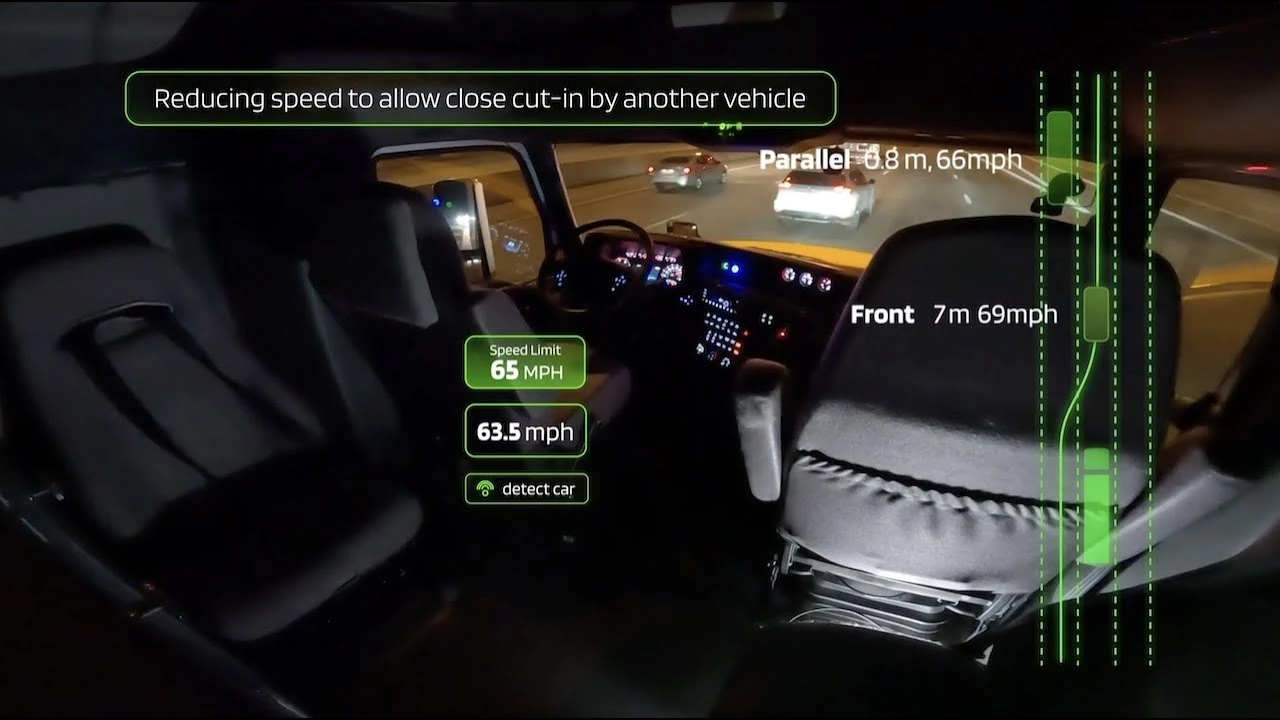
构建快速的产品问题解决迭代Forming Fast Product Problem-solving Iterations
在 TuSimple 构建快速的产品问题解决迭代:对齐上下文,最大化参与决策,快速实验,管理预期。Forming fast product problem-solving iterations at TuSimple: shared context, maximized participation in decision-making, quick experiments, and expectation management.

颠覆性技术公司用户研究入门Disruptive Technology Company User Research 101
在图森未来时写给团队初级设计师的一份用户研究入门。A user research primer written for the junior designers on my team at TuSimple.
产品讨论Product Discussions
一篇关于如何开产品讨论会的笔记:区分事实判断与价值判断,想清楚哪些讨论值得花时间。Notes on how to run product discussions: separating factual judgments from value judgments and deciding which debates are worth the time.
Comments