复活节岛。哦不,Rapa NuiEaster Island. Sorry, Rapa Nui
来这里感受石像,南太平洋的风,和一个突然停顿的文明Nine hundred statues, the South Pacific wind, and a civilization that stopped mid-carve
In late November 2025, on our way to Patagonia, we flew five hours west from Santiago into the open Pacific, and just when the ocean seemed to have no other plan, it produced a runway.
Rapa Nui is one of the most remote inhabited places on earth: a grassy triangle of old volcanoes about 3,500 kilometers off the Chilean coast, with one small town, one real road, and roughly nine hundred giant statues.

Anakena#
The island greets you gently. In the island’s own telling this is where everything began: Hotu Matu’a, the first king, landed his canoes here. Above the sand stands Ahu Nau Nau, a row of moai wearing red stone topknots.
They stand with their backs to the sea. Every moai on the island does. We did not think much about it at the time.


The road east#
No drive on the island is long, but the south coast road still feels like a journey: lava fields, ruined platforms, waves hitting black rock. Then the road bends and you get your first sight of the fifteen moai of Tongariki, far away in a hollow by the sea.


Rano Raraku#
Rano Raraku is the volcano the carvers used as their quarry.


Tahai, three evenings#
Hanga Roa keeps its sunset in a fixed place. Ten minutes north of town, a lawn runs down to the water.


The best sunset on the island, though, was a few minutes’ walk from the crowd. Just up the coast from Tahai there is a small platform with a single moai on it, and there is nobody there at all. You can still hear the crowd; you can see the phones held up over their heads. And here: grass, wind, one statue that has stood through centuries of exactly this.

Island life#
In between the statues, the island is simply easy to be on. We walked the headlands where old platforms lie in ruins by the water. Horses are everywhere, grazing among the ruins with the calm of creatures who consider the whole mystery none of their business.


The sunrise they never see#
On the last morning the alarm went off before five. The island was black and windless, and ours were the only headlights on the road east. Ahu Tongariki is the grandest thing on Rapa Nui: fifteen moai shoulder to shoulder on a platform two hundred meters long, the heaviest of them close to ninety tons.
A handful of people sat in camp chairs on the grass, wrapped in blankets, keeping their voices down. The sky went from ember to gold. Every moai faces inland. They were raised to watch over the living. So you watch the sunrise, and they watch you, and the sunrise happens behind them, every single morning, and in all their centuries they have never seen it once.


Afterwards, with the whole day somehow still ahead of us, we drove back past the quarry. At eight in the morning there was nobody on the hillside.


Leaving#
Our ride for all of this was a rental car roughly the size of a kitchen appliance, and driving it was one of the trip’s quiet pleasures: doors like a biscuit tin, a horn like an apology, forty minutes coast to coast with the windows down.


Most places you leave. Rapa Nui you lose sight of, one green corner at a time, until the window is all Pacific again for five straight hours.
2025年11月底,在去巴塔哥尼亚的路上,我们从圣地亚哥往西飞了五个小时,一头扎进太平洋。就在大洋看起来毫无别的打算时,它端出了一条跑道。
拉帕努伊是地球上最与世隔绝的有人居住的地方之一:一个长满草的火山三角,离智利海岸约3500公里,有一座小镇、一条像样的公路,和大约九百尊巨型石像。
阿纳克纳#
海岛对你的欢迎是温柔的。在岛民自己的讲述里,一切都从这里开始:第一位国王霍图·玛图阿的独木舟就是在这里登陆的。沙滩上方立着阿胡瑙瑙,一排头戴红色石帽的摩艾。
他们背对大海,面向内陆,和绝大多数立在石台上的摩艾一样。
往东的路#
岛上没有一段路算得上远,但南海岸这条路还是开出了长途的感觉:熔岩地、坍塌的石台、拍在黑色礁石上的浪。然后公路一拐弯,你第一次看见通加里基的十五尊摩艾,远远地站在海边一处洼地里。
拉诺拉拉库#
拉诺拉拉库是雕刻者们当作采石场的火山。
塔海,连着三个傍晚#
安加罗阿把自己的日落存放在一个固定的地方。镇北十分钟,一片草坪一路铺到水边。
不过全岛最好的日落,离人群只有几分钟的步行。从塔海沿海岸再往前一点,有一座小石台,上面站着单独一尊摩艾,那里一个人也没有。人声还听得见,人群头顶举起的手机也看得见。而这里只有:草,风,一尊把这样的黄昏站过了几百年的石像。
岛上的日子#
在石像与石像之间,这座岛本身就很好待。我们沿着岬角散步,那里坍塌的老石台安静地躺在水边。马到处都是,它们在废墟之间吃草,那份从容像是认定了这整桩谜案与己无关。
他们从未见过的日出#
最后一个早晨,闹钟不到五点就响了。岛上一片漆黑,无风,往东的公路上只有我们一辆车的车灯。通加里基是拉帕努伊最宏大的东西:十五尊摩艾肩并肩站在一座两百米长的石台上,最重的一尊将近九十吨。
草地上只有零星几个人,裹着毯子坐在折叠椅上。天空从暗红烧成金色。每一尊摩艾都面朝内陆。他们被立起来,是为了守望活着的人。于是你看着日出,他们看着你,而日出每天早晨都在他们身后发生,几百年了,他们一次也没有见过。
看完日出才八点。我们又开车经过采石场,山坡上还没有游客。
离开#
载着我们跑完这一切的,是一辆大号厨房电器尺寸的租来的小车,开它是这趟旅行里安静的乐趣之一:车门像饼干盒,喇叭像一声道歉,摇下车窗,四十分钟从一边海岸到另一边。
飞机起飞后,绿色的海岸一点点从舷窗里消失。接下来的五个小时,窗外一直是海。
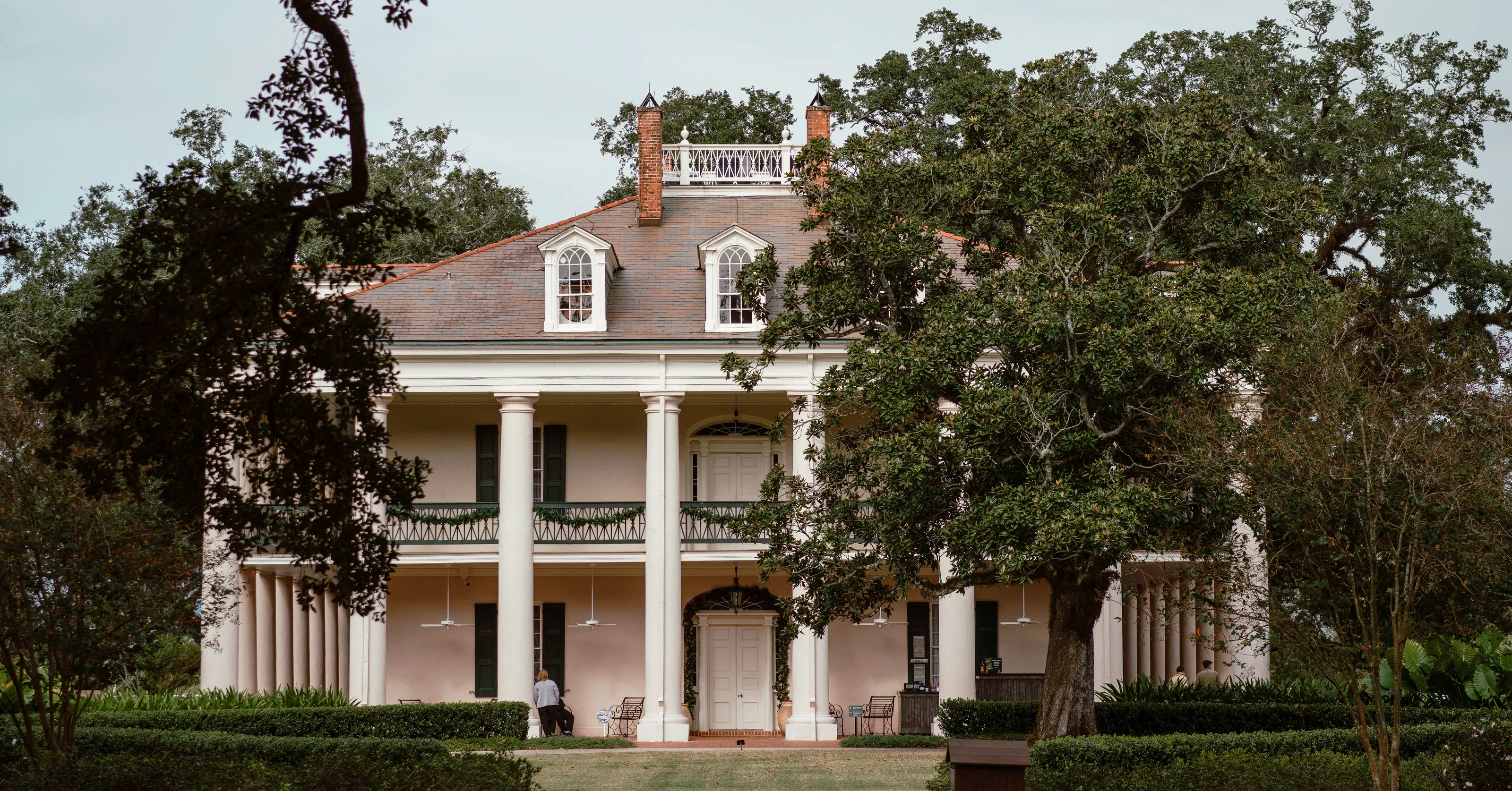
Oak Alley 种植园Oak Alley Plantation
新奥尔良太好吃了!New Orleans is delicious!
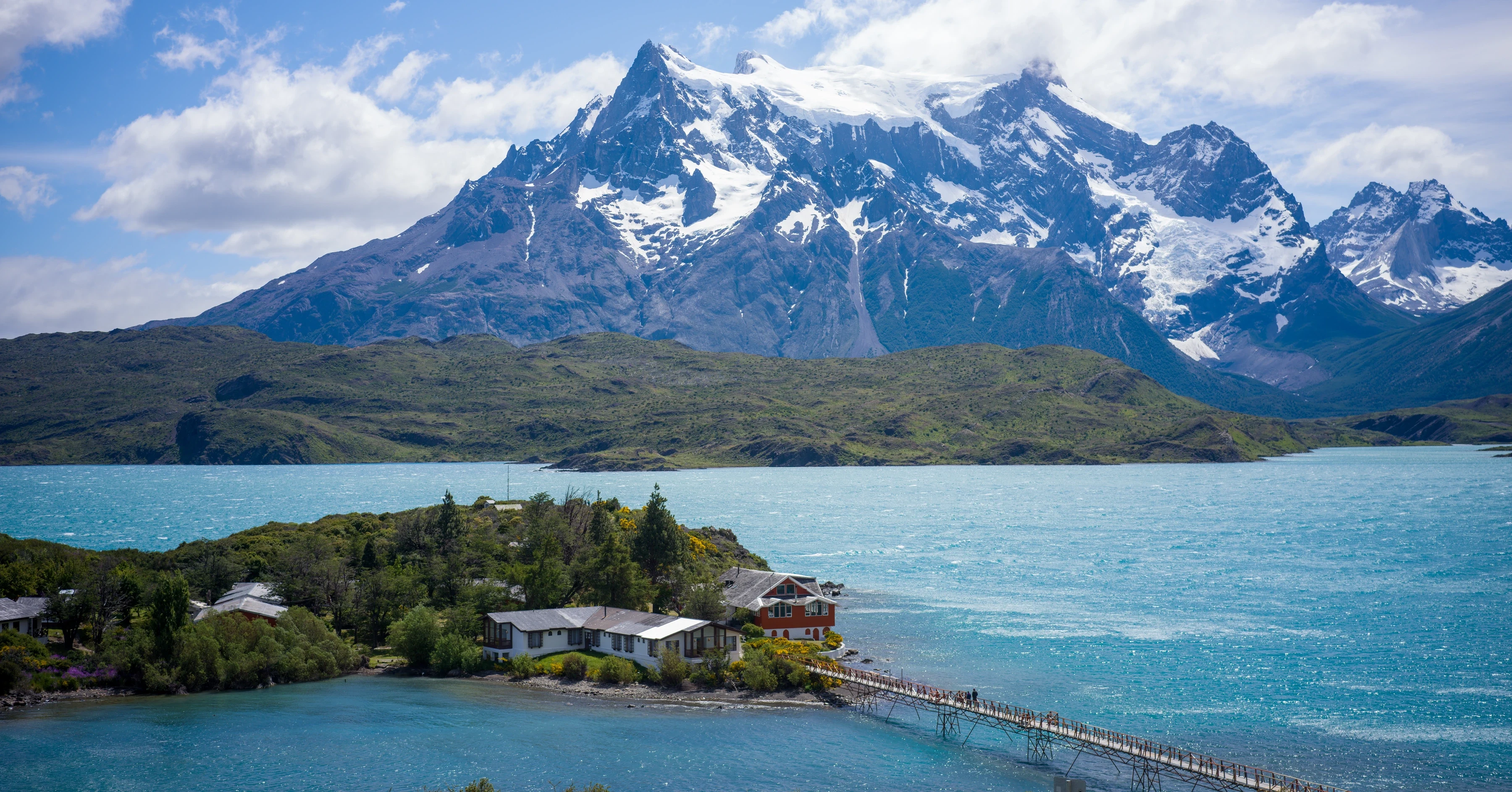
巴塔哥尼亚, 智利Patagonia, Chile
谁说的巴塔哥尼亚归来不看山?我太同意了Whoever said no mountain is worth looking at after Patagonia: I couldn't agree more
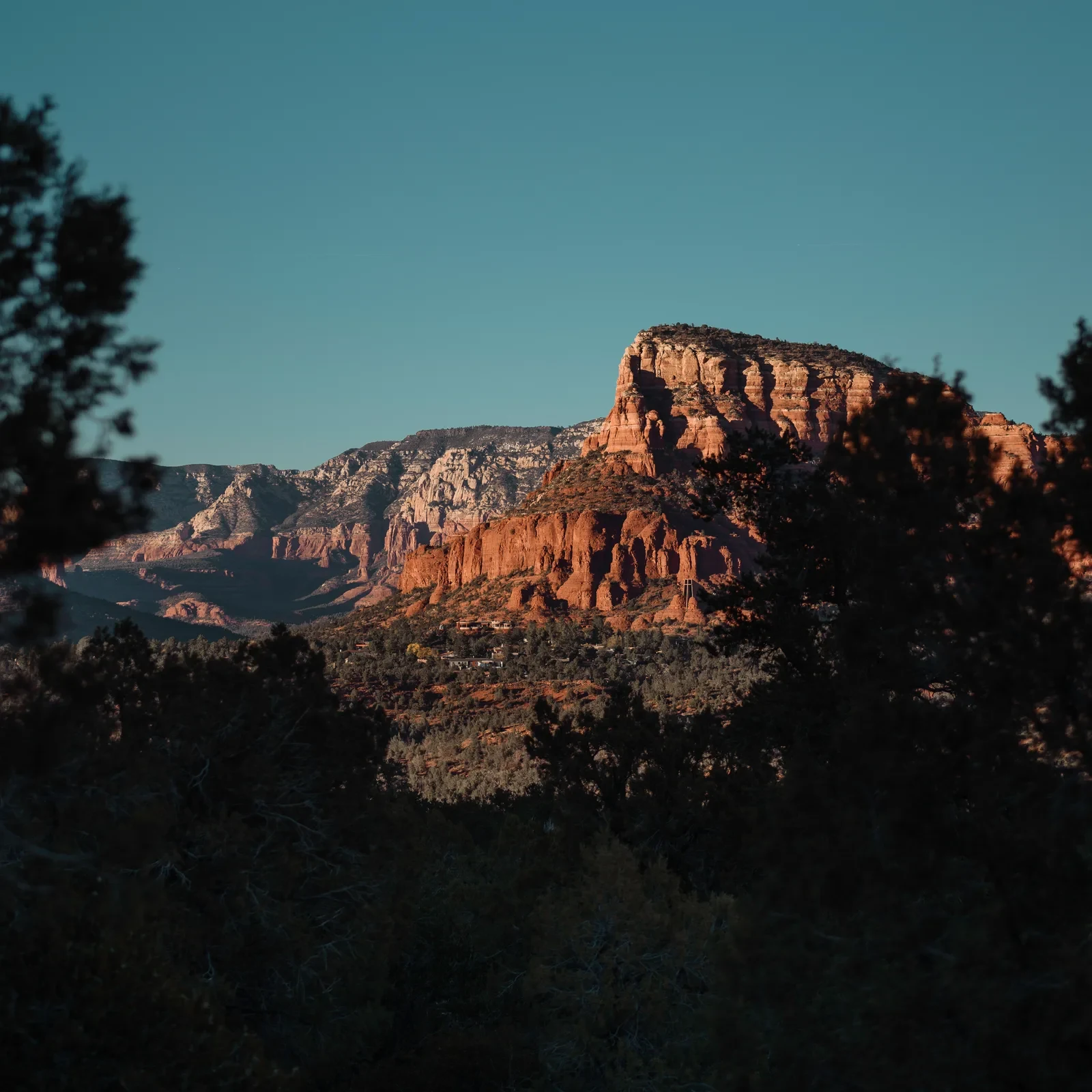
Sedona, 亚利桑那Sedona, Arizona
一个陨石坑,一座灵力小城,和一个营地的故事A meteor crater, a town that runs on vortex energy, and the story of a camp
Comments