Sedona, 亚利桑那Sedona, Arizona
一个陨石坑,一座灵力小城,和一个营地的故事A meteor crater, a town that runs on vortex energy, and the story of a camp
In early November we flew into Phoenix, picked up a car, and drove north into the high desert. On paper the trip was about red rocks. Somewhere along the way it became a trip about blueprints: everyone who ever fell for this desert seems to have arrived carrying one.
Last light in Sedona#
Sedona sits under a wall of red sandstone, and the town’s real event is scheduled every evening: the buttes go from rust to ember to ash, in that order, and when the light leaves a rock face it leaves for good.


A hole in the ground#
The next morning we drove out past Flagstaff, to where the ponderosa pines run out and the land flattens into grass and wind. Fifty thousand years ago a lump of nickel and iron about fifty meters across came down here.

The crater is still private land. A mining engineer named Daniel Barringer bought it in 1903.
Then in the 1960s, when the United States was spending more than four cents of every federal dollar on the space program, NASA sent its astronauts here to rehearse. Standing on the rim, that whole era feels the way the crater itself does. We know it happened, but the half century since the geopolitics changed feels like forever, and it too seems to have gone from memory to myth.

Back among people#
By early afternoon we were back in Sedona, where the Chapel of the Holy Cross grows straight out of the red rock with a concrete cross for a spine. The sculptor Marguerite Brunswig Staude first tried the idea in the 1930s. Twenty years later the chapel came down to earth here, wedged into the stone it might as well have eroded from.


The desert camp#
The last morning of the trip had been reserved long in advance: Taliesin West. Years ago, deep in the Pennsylvania woods, we stood under the concrete trays of Fallingwater; this is the other pole of that world, the winter camp Wright began in 1937 on a mesa at the foot of the McDowell Mountains, at seventy, an age at which he was officially supposed to be finished.

The walls are the desert stood upright. Wright and his apprentices gathered quartzite off the slope, set the flat faces against wooden forms, and poured concrete behind them. He called it desert masonry, and up close it reads as geology that has been persuaded into corners. Above the stone, the roofs are canvas stretched over redwood trusses, pitched at the same angles as the mountains behind them, so that the whole camp sits in the landscape.


Wright kept the place deliberately half tent. The light still arrives through the roof the way it arrives through a paper lantern: no bulbs at noon, just a ceiling that glows. He liked to squeeze a passage down until your shoulders notice, then release you into a room that opens sideways into the valley. He called the view from up here a look over the rim of the world.


Everywhere the same game with openings: a black room with one bright garden hung on the wall, a window the size of a painting doing a painting’s job.


Wright wintered at the camp until he died in Phoenix in 1959, at ninety-one. The Guggenheim opened six months later.
Leaving#
The desert does not collect ruins; it collects intentions. Some got built, one actually reached the Moon. As for us, we brought home the red dust on our shoes, and it took days to come off.
十一月初,我们飞到凤凰城,提了车,一路向北开进高原沙漠。行程表上写的是去看红岩,走着走着却变成了一趟关于蓝图的旅行:好像每一个爱上这片沙漠的人,来的时候手里都攥着一张。
Sedona的最后一道光#
Sedona坐在一整面红色砂岩的山墙下面,这座小镇真正的节目每天傍晚准时开演:岩壁从铁锈色烧成炭火色,再一路暗成灰烬色,光从哪一面石头上退场,就再也不回来。
地上的一个洞#
第二天早上,我们开车经过Flagstaff继续往东,一直开到黄松林让位给草和风的地方。五万年前,一块直径大约五十米的镍铁,从天上砸在了这里。
这个坑至今还是私人地产。一位叫Daniel Barringer的矿业工程师在1903年买下了它。
到了六十年代,美国把每一块联邦预算里的四分多钱都花在太空计划上的那些年,NASA把宇航员送到这里来排练。站在坑沿上,那个年代给人的感觉和这个坑本身一模一样:我们知道它发生过,不过地缘政治变化之后的半个世纪仿佛永远,它似乎也从记忆变成了神话。
回到人间#
下午早些时候我们回到Sedona。圣十字教堂直接从红岩里长出来,一根混凝土的十字架就是它的脊椎。雕塑家Marguerite Brunswig Staude早在三十年代就动过这个念头。二十年后,教堂落回了地面,嵌进这块它简直像是从中风化出来的石头里。
沙漠营地#
这趟旅行的最后一个上午,很早就被预定给了Taliesin West。几年前,我们在宾夕法尼亚树林深处的流水别墅,站在那几层混凝土托盘的下面;这一次轮到它的另一极:1937年,七十岁、按理说早该退休的Wright,在McDowell山脚下的一块台地上,给自己搭起的冬季营地。
这里的墙,就是被竖起来的沙漠。Wright和学徒们从坡上捡来石英岩,把平整的那一面贴着木模板摆好,往后面浇混凝土。他管这叫”沙漠砌石”,凑近了看,就像地质现象被人劝进了直角里。石墙上方,屋顶是绷在红杉木桁架上的帆布,倾角和身后的群山一致,于是整座营地趴在地景里。
Wright有意让这里保持一半帐篷的状态。光仍然是从屋顶上下来的,像透过一盏纸灯笼:正午不用开灯,天花板自己会发亮。他喜欢先把过道压到让你的肩膀都察觉出来的高度,再把你放进一间朝着山谷横向敞开的屋子。他说站在这里,是”越过世界边沿望出去的一眼”。
整座营地到处都在玩同一个开洞的游戏:一间黑屋子,墙上挂着一个亮着的花园;一扇画框大小的窗,干的就是一幅画的活。
Wright在这座营地里过冬,直到1959年在凤凰城去世,九十一岁。半年后,古根海姆开馆。
离开#
沙漠不收藏废墟,它收藏意图:有的建成了,有一张真的到过月亮。至于我们,只带回了鞋上的红土,过了好几天才掸干净。
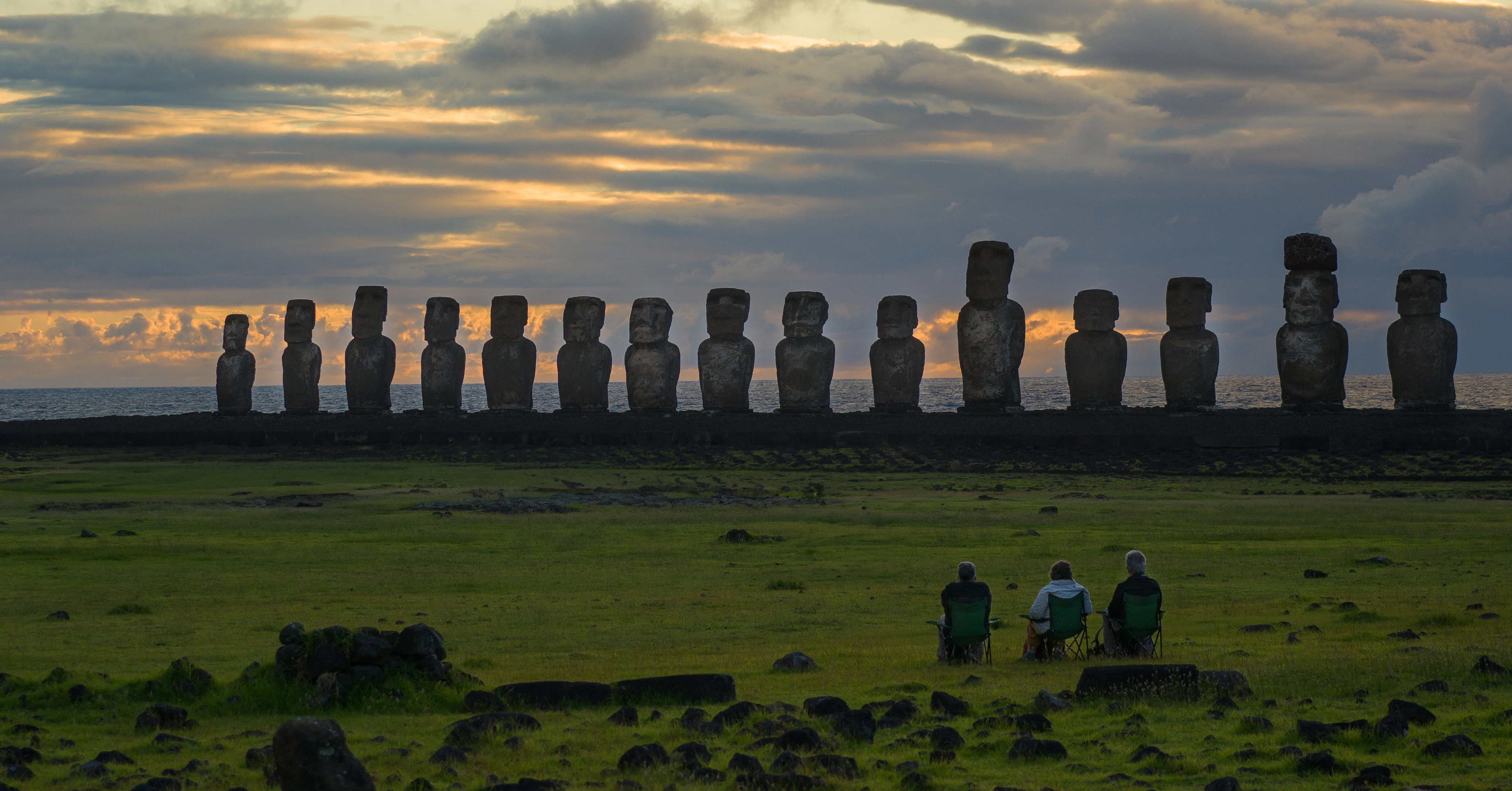
复活节岛。哦不,Rapa NuiEaster Island. Sorry, Rapa Nui
来这里感受石像,南太平洋的风,和一个突然停顿的文明Nine hundred statues, the South Pacific wind, and a civilization that stopped mid-carve
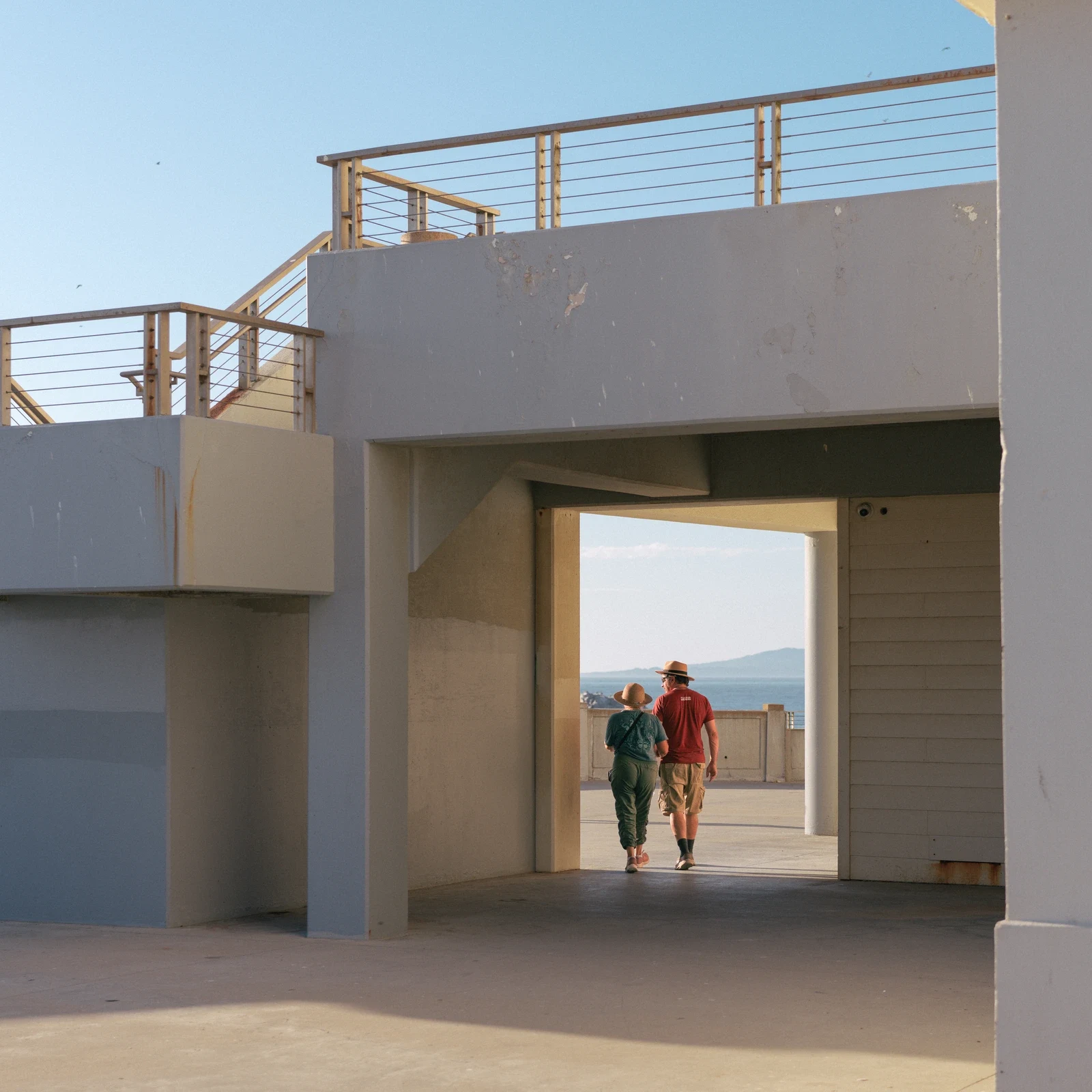
Lands End, 三藩Lands End, San Francisco
我们又来旧金山的天涯海角了Back at the edge of San Francisco, again
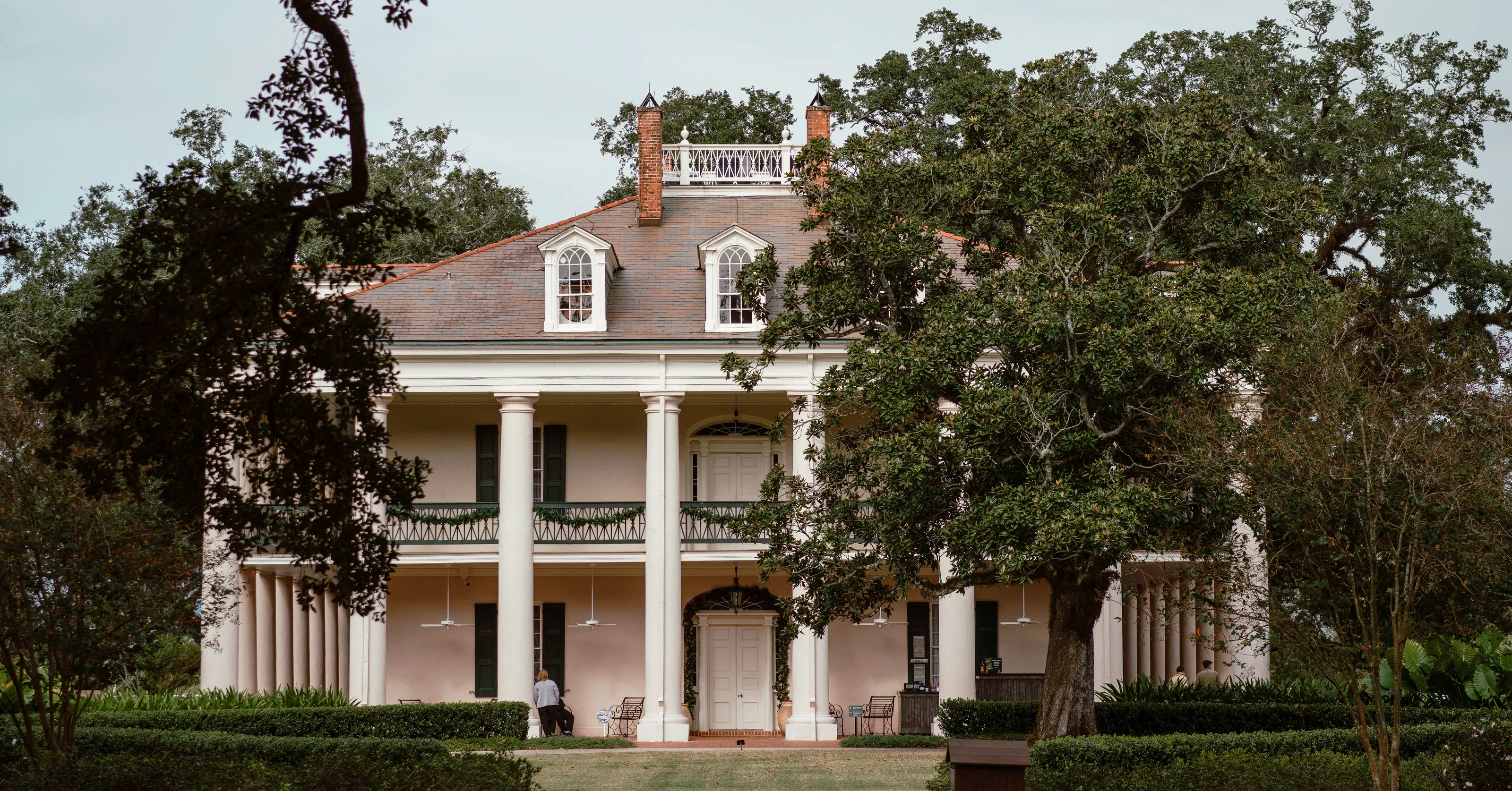
Oak Alley 种植园Oak Alley Plantation
新奥尔良太好吃了!New Orleans is delicious!
Comments