巴塔哥尼亚, 智利Patagonia, Chile
谁说的巴塔哥尼亚归来不看山?我太同意了Whoever said no mountain is worth looking at after Patagonia: I couldn't agree more
At the end of November 2025, we went about as far south as roads go: Puerto Natales and Torres del Paine, in Chilean Patagonia.
Puerto Natales#
The town sits on a sound that the charts call Última Esperanza, Last Hope, named by a sailor who was running out of places to look for a way through. Before driving into the park, we spent an afternoon there: low houses under corrugated roofs, cafés with sun on their patios, and paint in colors that seem chosen to argue with the weather.


The road in#
The drive into the park takes about two hours, and for most of it the mountains are a rumor on the horizon. Then the road crests a rise and the whole Paine massif stands up at once, over water the color of glacier milk.


We stayed at a hotel on the plain by the river. Its best piece of furniture was the window: two armchairs, a small table, and the whole mountain range. From then on, we arranged our days around that view.

A day under the massif#
Torres del Paine does not really have sights, plural. It is one sight, rearranged all day long by light and weather.


This far south, in this season, the light refuses to end. At half past seven the valley turned gold, and the river lay across the plain like something poured.

Sunset came around ten. We watched it from the lounge: first the clouds catching fire above the peaks, then a long blue hour in which the range slowly turned to silhouette.


The road to the Torres#
The next day we drove the long way through the park. At Lago Pehoé the water is an implausible blue, one of those places that improves every photograph pointed anywhere near it.


Toward the eastern entrance the water changes character. Behind it the three granite towers that give the park its name finally show themselves.

By evening we were back on the western roads, chasing the last light with the car doors slamming in the wind. That night a lenticular cloud sat down on the summits like a lid.


Leaving#


The flight north was the trip’s last gift: glaciers braiding down between black ridges, an entire country of ice with nobody in it.


Wind, ice, distance, and days so long the light outlasted us every single evening. We will be back.
2025年11月底,我们去了公路能到达的差不多最南的地方:Patagonia。
Puerto Natales#
小镇在一条峡湾边上,是进入百内之前最后的镇子。我们进山之前在这里呆了一上午。
进山的路#
从小镇开进公园大约两小时,一路上风景平平,似乎百内的群山只是地平线上的传闻。然后公路翻过一道坡,整个百内山群忽然一起站了起来,脚下是一汪冰川乳色的湖水。是那个味儿!
我们住在河边平原上的一家酒店。酒店硬件其实不错,不过我们一致觉得它最好的装饰是那扇看着群山的窗户。
山下的一天#
百内其实没有”景点”这个复数概念。它只有百内山这一个景,然后每天不同的时间被光线和天气整天重新布置。
在这么南的地方和这个季节,光线是不肯轻易退场的。七点半,河谷变成金色,河像刚倒出来的什么东西,摊在平原上。
去百内塔的路#
第二天我们把公园里的路开了个来回。Lago Pehoé 的蓝不太讲道理,属于那种镜头随便往哪儿一指、它都能让照片变好看的地方。
靠近东门,水换了一副性格。湖后面,公园因之得名的三座花岗岩塔终于露面。
傍晚我们开回西边的路上追最后一段光,车门在风里摔得砰砰响。那天夜里,一朵荚状云像锅盖一样扣在峰顶上。
离开#
北上的航班是这趟旅行最后的礼物:冰川在黑色山脊之间编成辫子淌下来,一整个无人居住的冰的国度。
风,冰,辽阔,还有长得每晚都熬不过它的白昼。我们还会再来。
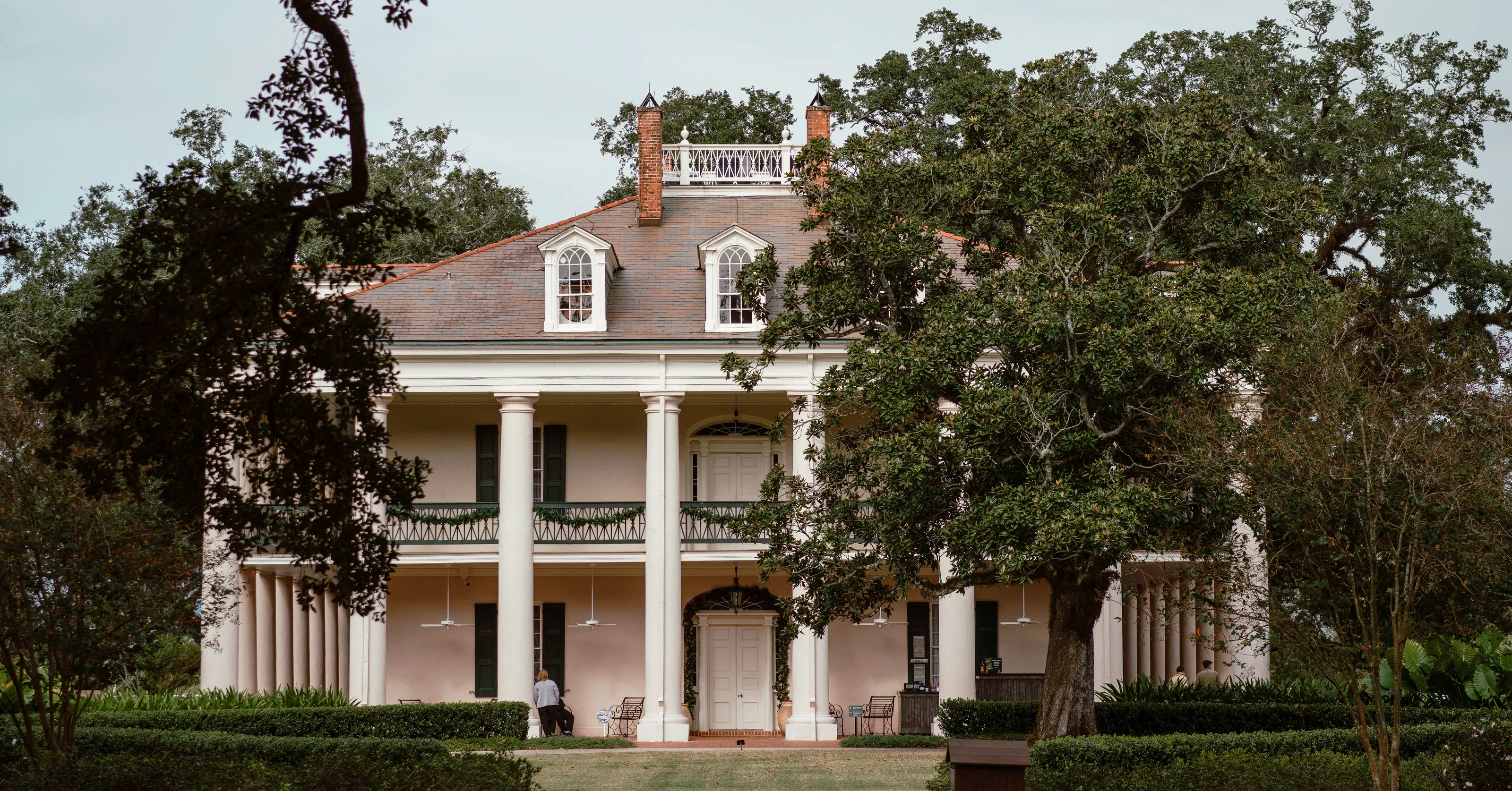
Oak Alley 种植园Oak Alley Plantation
新奥尔良太好吃了!New Orleans is delicious!
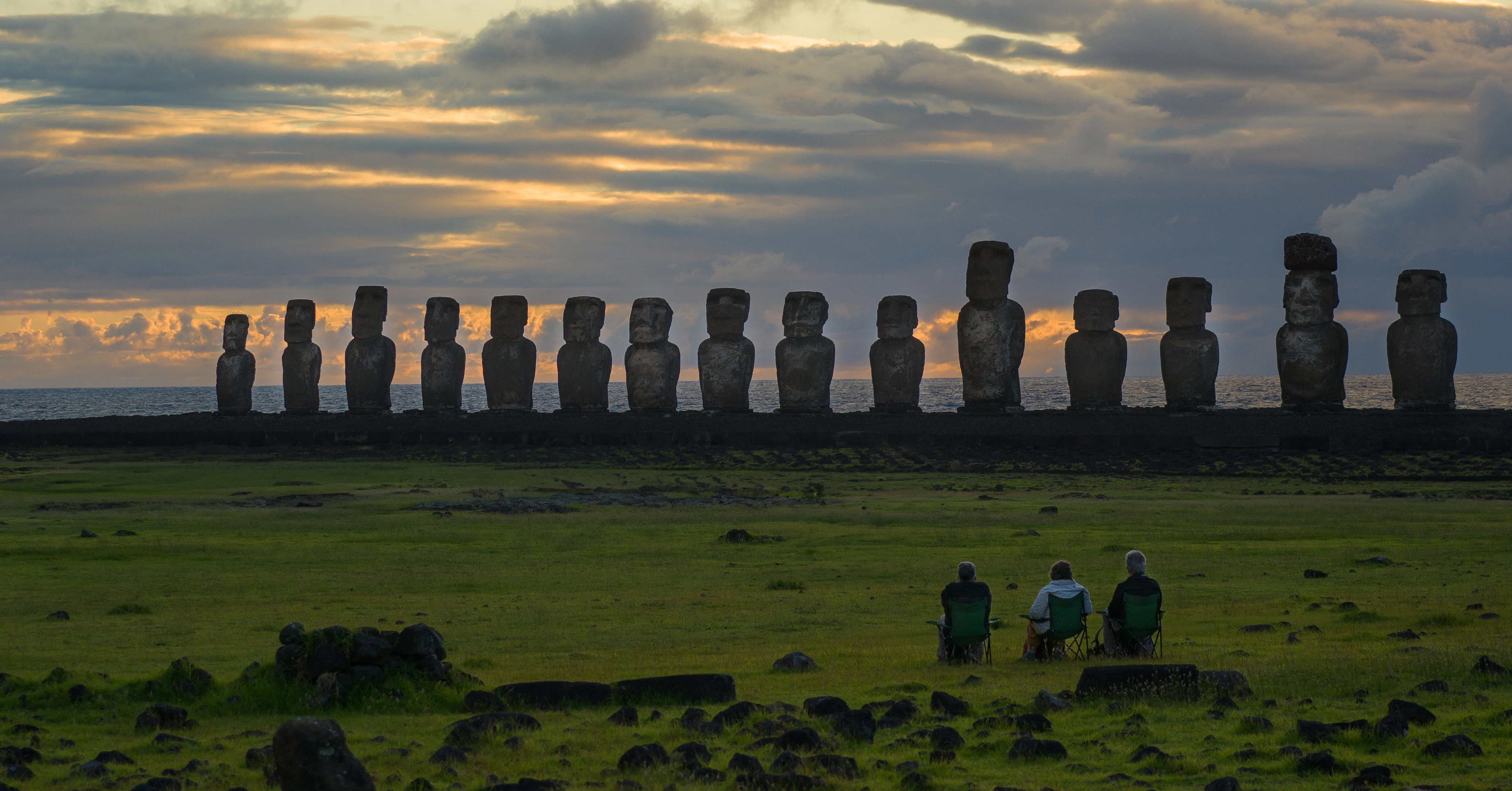
复活节岛。哦不,Rapa NuiEaster Island. Sorry, Rapa Nui
来这里感受石像,南太平洋的风,和一个突然停顿的文明Nine hundred statues, the South Pacific wind, and a civilization that stopped mid-carve
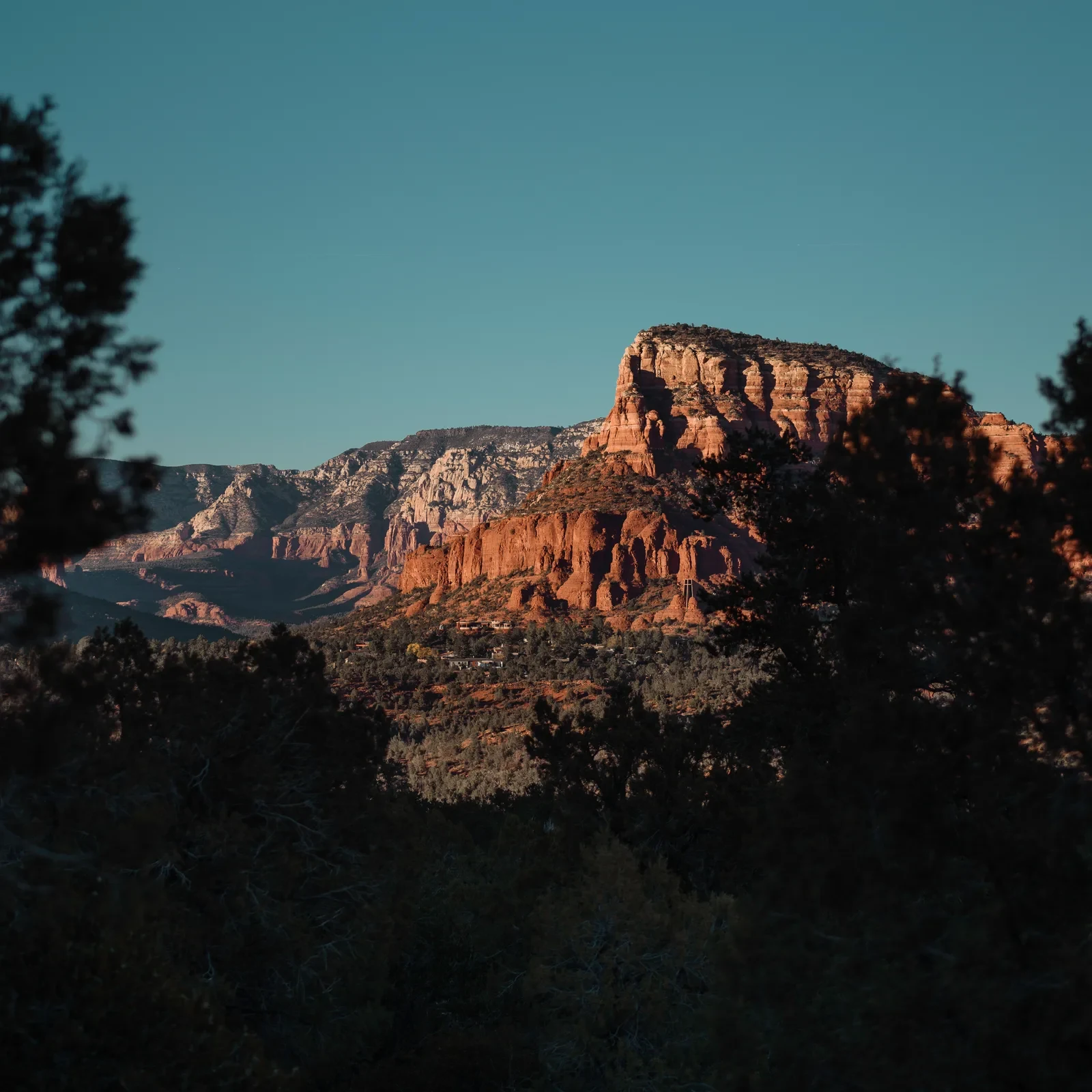
Sedona, 亚利桑那Sedona, Arizona
一个陨石坑,一座灵力小城,和一个营地的故事A meteor crater, a town that runs on vortex energy, and the story of a camp
Comments