如何花最少的时间学到最多的知识How to Learn More and Study Less
转载译文:《How to Learn More and Study Less》,讲用整体性学习取代死记硬背。A reposted Chinese translation of "How to Learn More and Study Less", on holistic learning in place of rote memorization.
原文地址:How to Learn More and Study Less
译文地址:如何花最少的时间学到最多的知识
翻译:任平生
作者的话:本文的标题或许听起来不太可能?但我的学习经历却可以证明这一切皆是可能的:
曾获得三省化学联赛的第一名,在这之前我甚至没有学习过化学材料知识。
获得学校英语竞赛的头等奖;
一门从未上过的课考试得A+
我列举这些并不是要炫耀我多么聪明,而是只是想说明:
花在学习上的时间并不等同于学会的时间。
如果从一开始用的学习方法就错了那么你花再多的时间也是徒劳。
整体性掌握
聪明的人不仅学的好,而且他们学到的知识也不同。当许多同学在记忆一些问题的细节时,聪明的学习者明白他们只需掌握使各个知识点联系起来的知识结构图就可以了。这种形式的学习我称之为整体性掌握。
整体性学习与死记硬背是两个相互对立的学习方式。整体性掌握的学习方法不需要背诵知识列表、公式,它需要的是让你整合各个知识点,将你所学的代数、几何、历史等所有的科目的知识连接起来,找出它们的结合点,形成自己的知识结构体系,然后掌握它们。
繁杂冗余的知识点学习表明你还没有把握住整体性学习的要领。当你将你的知识联络起来,形成一个知识网络结构时,学习将会是精悍清晰而且有效。
如何改善你的学习习惯
整体性掌握学习法不是让你动脑筋想技巧或构建意识图谱。它首先要改变你的是掌握知识、接受信息的过程。不过,这里没有所谓的便捷十步法让你可以迅速掌握它。
但是,可以提供一些让你有效转变学习习惯的方法供您参考:\
- 知觉记忆
你或许听说过形象记忆?知觉记忆是指将你的感觉与知识联接起来。研究表明,人们更容易记忆那些能引起情绪变化的形象生动的内容。因为它将感觉、成像和枯燥的概念结合起来了。比如你在数数的时候,可能会借助手指的帮助,那么学习的时候为什么不也这么做呢。\ - 隐喻
使用隐喻的方法记忆那些复杂难懂的知识。(比如我们常用的使用谐音词句来记忆一些难记的历史事件)\ - 联接各个知识点
丢开课本,从一个知识点想起,追溯与它有联系的知识,以此想开去,直到你将所学的知识都串联起来。
4.复习浏览
复查你的课本,注意每一个你不曾注意到或没完全掌握的知识点,使用知觉记忆及隐喻类比的方法迅速地将它们加入你的知识结构网络中。
5.压缩信息
并不是所有的信息都是有效的,压缩整合那些重复的内容。比如你在许多课程上学的同一类知识。
6.总结
在一张纸上写下你所组织的知识结构,修改其中不当的连接,用不同的模型重组信息,直到得出一个最恰当的知识结构图。
Original: How to Learn More and Study Less
Translation: How to Learn the Most in the Least Time
Translated by: Ren Pingsheng
A word from the author: the title of this article may sound improbable? Yet my own learning experience proves that all of it is possible:
I once took first place in a three-province chemistry league, before which I had never even studied the chemistry material.
I won first prize in my school’s English competition;
I got an A+ on the exam for a course I had never attended
I list these not to show off how clever I am, but simply to make one point:
Time spent studying is not the same as time spent learning.
If the study method you use is wrong from the start, then however much time you spend is wasted.
Holistic mastery
Smart people don’t just learn well; what they learn is also different. While many students are memorizing the details of problems, smart learners understand that all they need to master is the structural map that links the pieces of knowledge together. This form of learning I call holistic mastery.
Holistic learning and rote memorization are two opposed ways of studying. The holistic approach does not require reciting lists of facts and formulas; what it requires is that you integrate the pieces, connecting the knowledge from algebra, geometry, history and every other subject you have studied, finding where they join, forming your own structure of knowledge, and then mastering it.
Studying a tangle of redundant knowledge points shows you have not yet grasped the essentials of holistic learning. When you link your knowledge together into a networked structure, learning becomes lean, clear, and effective.
How to improve your study habits
Holistic mastery is not about racking your brain for tricks or building mind maps. What it changes first is your process of grasping knowledge and taking in information. That said, there is no handy ten-step shortcut here for picking it up quickly.
Still, here are some methods for effectively shifting your study habits, for your reference:\
- Sense memory
You may have heard of image memory? Sense memory means linking your senses to what you learn. Research shows that people remember vivid, emotionally stirring material far more easily, because it binds sensation and imagery to dry concepts. When you count, you may lean on your fingers for help; so why not do the same when you study.\ - Metaphor
Use metaphor to remember knowledge that is complex and hard to grasp. (For instance, the way we often use sound-alike phrases to remember hard-to-recall historical events)\ - Link the pieces of knowledge
Put the textbook aside. Start from one piece of knowledge, trace the knowledge connected to it, and keep thinking outward from there, until you have strung together everything you have learned.
4.Review and browse
Go back through your textbook, note every point you had not noticed or never fully mastered, and use sense memory and metaphorical analogy to fold them quickly into your knowledge network.
5.Compress the information
Not all information is useful; compress and consolidate what repeats, such as the same kind of material you learn across many courses.
6.Summarize
On a sheet of paper, write out the knowledge structure you have organized, revise the connections that don’t hold, and reorganize the information with different models, until you arrive at the knowledge structure map that fits best.
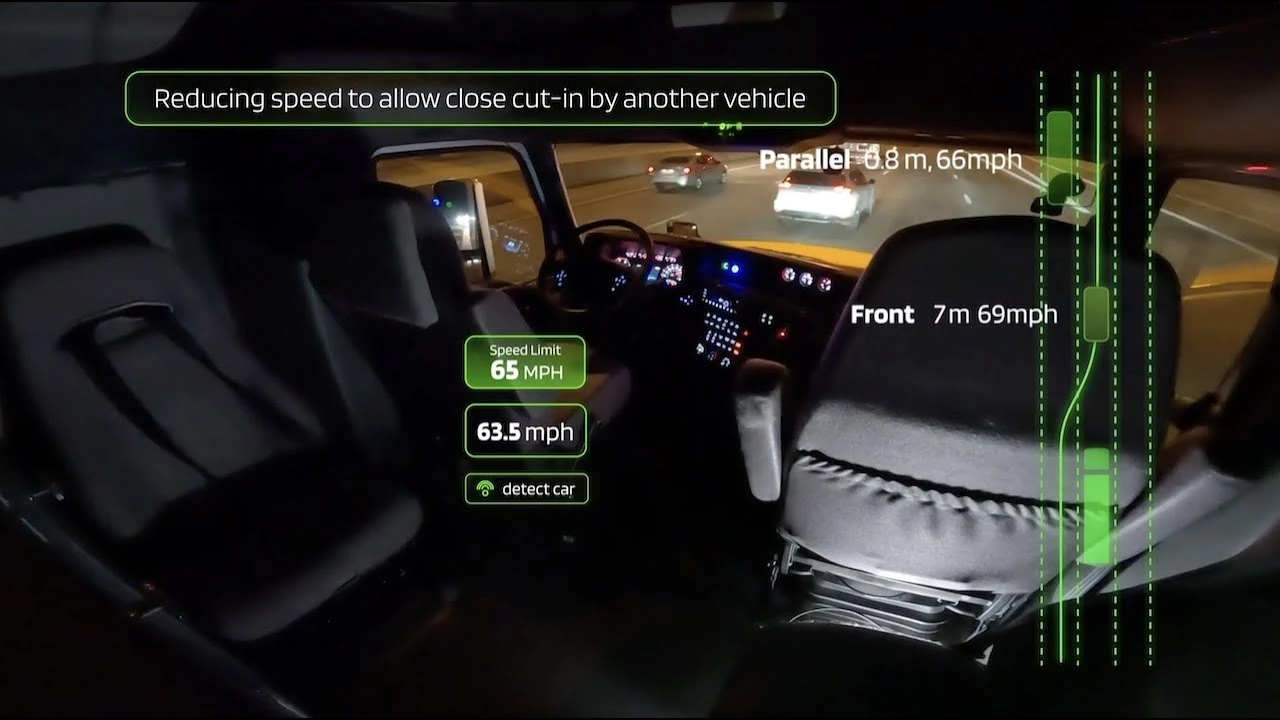
构建快速的产品问题解决迭代Forming Fast Product Problem-solving Iterations
在 TuSimple 构建快速的产品问题解决迭代:对齐上下文,最大化参与决策,快速实验,管理预期。Forming fast product problem-solving iterations at TuSimple: shared context, maximized participation in decision-making, quick experiments, and expectation management.

颠覆性技术公司用户研究入门Disruptive Technology Company User Research 101
在图森未来时写给团队初级设计师的一份用户研究入门。A user research primer written for the junior designers on my team at TuSimple.

X3 中的克拉克·肯特The Clark Kent of X3s
订一台选满M运动套件的宝马X3 30i:一台暗自想成为X3M的克拉克·肯特,附提车照片。Ordering a BMW X3 30i in full M Sport dress: a Clark Kent that secretly wishes it were an X3M, with delivery photos.
Comments