用户不知道的:免费背后的深层逻辑及秘密What Users Don't Know: The Deeper Logic and Secrets Behind Free
转自知乎日报:免费商业模式的逻辑,谁是客户,谁是产品。A Zhihu Daily repost on the business logic of free services: who is the customer, and who is the product.
来自知乎日报
我对免费与收费服务的区别和界限困惑过很久,然后看到了一句令我茅塞顿开的话:
如果商家为你提供免费服务,那你就不是他们的客户,而是他们的产品。
看明白了这句话,再看那些免费服务,就豁然开朗了:
谷歌和百度做搜索服务,使用搜索服务的几亿人就成了一个成功的产品,广告主花钱实际是在购买这个巨大“产品”面前的曝光率;
电视台做各种各样的节目争夺收视率,观众就是产品,用节目吸引人气并划分出观众的年龄、性别、爱好,然后同样将这些分门别类的观众卖给合适的厂家,让厂家在他们面前展示自己的商品;
但是如果你收看付费频道,那你就成了客户,首先不必被广告困扰,其次,电视台对你的态度从“吸引、分类”变成了“服务、满足”;
网游的免费玩家,只需要给他们一些很初级的乐趣就可以,然后通过对乐趣的限制,吸引他们中的一小部分升级为付费玩家(客户)。而大部分始终免费的玩家,实际是被打包成一个巨大的“陪太子读书”的团体,供付费玩家们杀戮、领导、指挥;而且,付费少些的人同样要陪付费更多的大太子们读书;
对大型商场而言,顾客不是直接客户,商铺租户才是,顾客实际是他们提供给各商铺的产品,招揽到适合商铺类型的顾客才是他们的目的。所以,找准商场定位、招揽合适的商家进驻、针对定位进行宣传、甚至免费冷气、班车、座椅、公厕这种小事,都是为了尽可能给商铺提供更多客源。
回到题目中来。免费是好事吗?这个无所谓好坏,免费是种商业模式,关键看免费的目的是什么。
如果希望免费用户升级为真正的付费客户,那就会提供有限的免费服务,同时采取各种方法筛选出愿意付费的用户,并吸引他们升级;
如果免费用户只是纯粹的产品,真正的客户是另一群人,那就会通过免费服务尽可能多地吸引“真正客户们”想要的人,筛选掉无用的;
如果两者兼有,就要分别考虑,如何能达到两者的平衡;如果营销方式有误,可能会赔了夫人又折兵。
所以说,某个免费服务好用还是不好用,大部分情况下取决于商家希望你们这些用户怎么做:
如果觉得不好用,但付费就能变得好用,那就是商家希望你付费;
如果觉得不好用,你选择离开,那就是说你属于商家希望筛掉的那部分用户:不愿花钱,同时也没有作为产品卖给真正客户的价值;
如果又免费又好用,那你和商家其实是各取所需的双赢关系,也正是他们期望的。
From Zhihu Daily
For a long time I was confused about the difference and the boundary between free and paid services, until I came across a line that opened my eyes:
If a business provides you a service for free, then you are not their customer; you are their product.
Once you understand this line, all those free services suddenly come into focus:
Google and Baidu run search services, and the hundreds of millions of people using search become one successful product; what advertisers pay for is really exposure in front of this gigantic “product”;
TV stations make programs of every kind to fight for ratings, and the audience is the product: programs are used to draw a crowd and to sort viewers by age, gender, and interests, and these neatly categorized audiences are then likewise sold to the right manufacturers, who display their goods in front of them;
But if you watch a paid channel, then you become the customer: first, you are spared the ads; second, the station’s attitude toward you turns from “attract and categorize” into “serve and satisfy”;
Free players in online games only need to be given some very rudimentary fun; then, through limits placed on that fun, a small share of them are drawn into upgrading to paying players (customers). The majority who stay free forever are in fact bundled into one enormous corps of “study companions to the crown prince,” there for the paying players to slaughter, lead, and command; what’s more, those who pay a little must in turn keep the bigger-spending crown princes company;
For a large shopping mall, shoppers are not the direct customers; the shop tenants are. Shoppers are in fact the product the mall supplies to its shops, and its real aim is to draw in the kind of shoppers who fit each type of shop. So nailing the mall’s positioning, recruiting the right merchants to move in, advertising to match that positioning, even little things like free air conditioning, shuttle buses, benches, and public restrooms, all exist to funnel as many potential buyers as possible to the shops.
Back to the question. Is free a good thing? There is no good or bad about it; free is a business model, and the key is what the free is for.
If the hope is that free users will upgrade into true paying customers, then the free service will be limited, while every method available is used to sift out the users willing to pay and entice them to upgrade;
If free users are purely product, and the true customers are another group entirely, then the free service will be used to attract as many of the people the “true customers” want as possible, and to sift out the useless;
If it is both at once, then each side must be weighed on its own to find the balance between the two; and if the marketing goes wrong, the business may lose the lady and its soldiers into the bargain.
So whether a given free service feels good to use or not depends, in most cases, on what the business wants you users to do:
If it feels bad to use, but paying would make it good, the business wants you to pay;
If it feels bad to use and you choose to leave, that means you belong to the users the business meant to sift out: unwilling to spend, and without value as a product to be sold to the true customers;
If it is both free and good to use, then you and the business are in a win-win exchange where each takes what it needs, which is exactly what they were hoping for.
构建快速的产品问题解决迭代Forming Fast Product Problem-solving Iterations
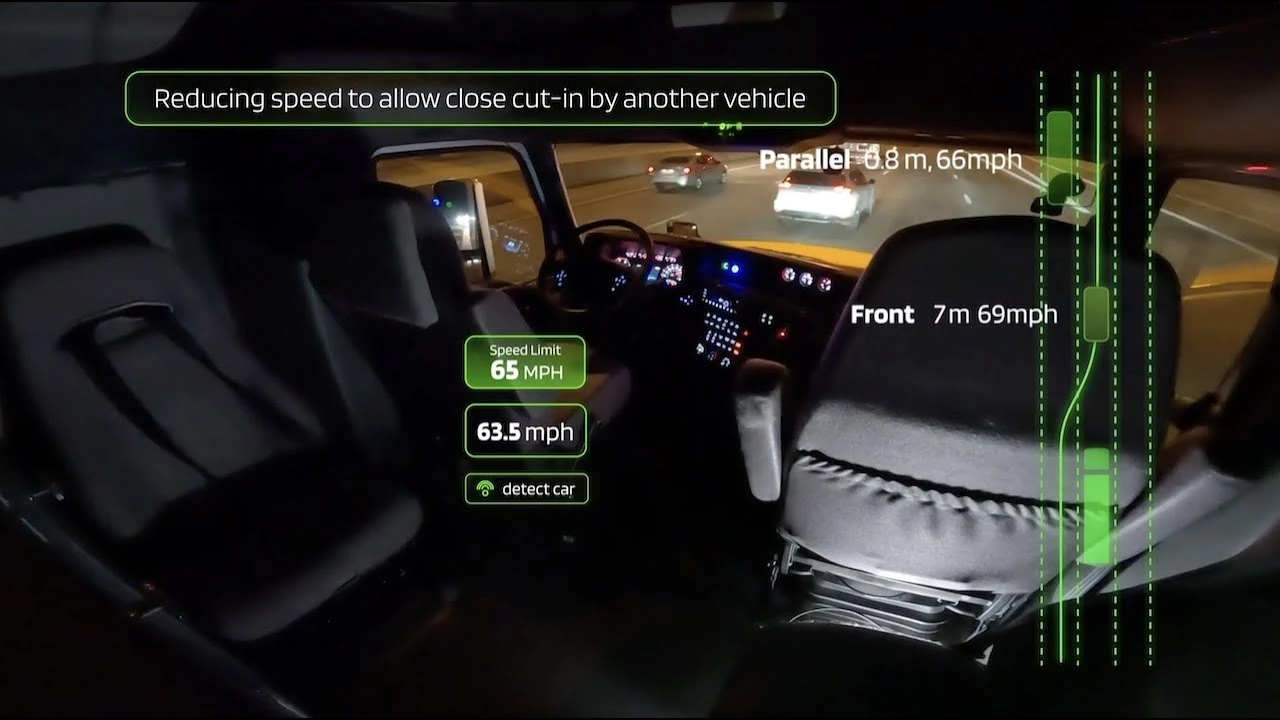
在 TuSimple 构建快速的产品问题解决迭代:对齐上下文,最大化参与决策,快速实验,管理预期。Forming fast product problem-solving iterations at TuSimple: shared context, maximized participation in decision-making, quick experiments, and expectation management.
颠覆性技术公司用户研究入门Disruptive Technology Company User Research 101
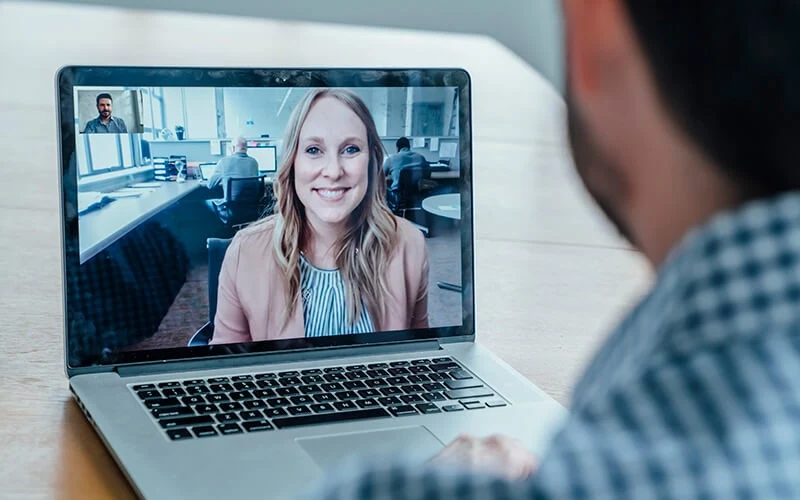
在图森未来时写给团队初级设计师的一份用户研究入门。A user research primer written for the junior designers on my team at TuSimple.

X3 中的克拉克·肯特The Clark Kent of X3s
订一台选满M运动套件的宝马X3 30i:一台暗自想成为X3M的克拉克·肯特,附提车照片。Ordering a BMW X3 30i in full M Sport dress: a Clark Kent that secretly wishes it were an X3M, with delivery photos.
Comments