为什么富人越来越富,穷人越来越穷?Why Do the Rich Get Richer and the Poor Get Poorer?
转载:知乎答主万方中关于穷人思维与富人思维差别的回答。A repost of a Zhihu answer by Wan Fangzhong on the differences between rich and poor mindsets.
从生活中的体现,在个体的层面说一下这个问题
我觉得下面这个知乎答案虽然逻辑性略有缺失,但大部分观点还是与我一致。具有实际的行动指导意义
以下回答著作权归作者所有。 作者:万方中 链接:https://www.zhihu.com/question/21128507/answer/84749961 来源:知乎
主要是思维方式的问题。 我出来工作这么几年,穷人接触过,富人也接触过。最深的感觉就是:人和人之间的差别实在是太大了。有些人一个月赚几百万,而有些人连自身温饱都顾不了。 这种感觉有点像,同样是一分钱都没有,有些人,你为他做事,都会感到很开心、很有成就感,一切的付出都是值得的。而有些人,他为你做事,做完了反而让你不开心,浑身不舒服。 人与人之间的差别,事实上在金钱上已经被量化了。 我们如果要谈嫌贫爱富,势必要先谈谈什么是穷人思维,什么又是富人的思维。 在这里我需要先说明一下,这个里面讲的是一种普遍现象和总体趋势,而不是概括所有的100%的穷人和富人,穷人里也有很聪明具有富人思维的,富人思维里也有穷人思维的。否则这个世界上就不会有穷人靠勤劳致富,也不会有富人一夜之间沦为穷人。
1.从金钱的维度 穷人,会在做很多事情的时候,首先考虑的第一件事情就是钱,而忽略了一件事情的本质。 我见过很多对待金钱很极端的例子,尤其在穷人身上。 我有个亲戚,以前家里摆着台空调,但总是不开。南方的冬天冷,家里几个人认为,冬天穿多点就行了,舍不得开空调,一直冻到三个人感冒了才心安理得地打开:你看,我都感冒了,当然就要开空调了。 一台空调,价值两三千块钱。按照他们家这样的省法,可能用到空调罢工了,电费还用不到一台空调的钱。他们以为自己是赚了,其实是亏了:一件物品买回来,并没有发挥他应有的价值。 对于富人来讲,空调使得他们不再拘束于天气的左右,给了他们更加优越的工作环境,从而提高工作的效率,创造比这个电费高得多得多的价值。 空调,买回来本来就是让人过得更加的幸福、舒适,而穷人常将这些本末倒置:先扛着,实在扛不住了再开。一开始买的时候,就忽略了一件事情的本质。
2.从时间的维度。 对时间的理解不同,造成了贫富的巨大差别。 别人跟我说过一个事,很有意思。他说:“你看啊,你餐餐在外面吃饭,外面的东西又脏又不新鲜,而且价格也高,我说这做饭还是得自己做,又干净又卫生。” 我说:“我有钱请一个人回来做不就得了吗?” 他说:“请一个人?何必呢?我这自己做一做,不就把那个钱省下来了吗?” 这个观点很有意思,很多穷人都是这种思想:只要能省钱,花再多的时间也不惜。 反正我的时间也不值钱,放着也是放着,不如让他省钱:宁愿花半个小时在寒风中等公交车,也不愿花十几块钱打的。宁愿每天花2个小时做饭,也不愿意花几十块钱让一个专业的人做好端上。宁愿花一下午搞卫生,也不愿意花钱让阿姨来打扫。 “能省则省”,这是他们的惯用语。 事实上,我们每个人,赤条条地来到这个世界,身上本来是一分钱没有的。 你能坐在咖啡馆里悠闲地喝咖啡,是因为你在喝咖啡之前,就花了时间在工作,你拿着工作时间换来的钱,花在喝咖啡上。事实上,你坐在这里,是拿着双份的时间在喝这杯咖啡。钱在这两段时间中,仅仅是起了一个介质的作用。 从本质上来说,你是拿着工作时间换喝咖啡的休闲时间,是一种时间上的交换。对于穷人来说,恨不得自己将每个该花钱的地方都承包了,在一分钱都不支出的情况下,又赚了钱。 他以为自己这样是“省”了,其实算下来,反而是成本最高的。一个人,想什么地方都占便宜,到得最后,反而会走了远路。倒不如将这些专业的事情包出去:转给专业的司机、专业的厨师、专业的清洁人员,效率将是成倍的提升。 而省下来的时间,可以做更多自己擅长的事,创造出更多的价值。 穷人只看到眼前的一顿饭钱,而一餐饭的钱就摆在那里,这个数额是有限的并且是看得到的。倒莫若将他的时间花在事业上,前景将更为广阔。 同样的事情还发生在交男女朋友上,我看有些人老是埋怨:“我找妹子,总是找不到,为啥?” 一看,他在陌陌上一个个找人发“你好”,岂不知很多妹子的收件箱里,装满了“你好”。 但富人就很聪明,直接在附近的人里丢个红包,有些人可能就仅为图一个乐。对于女孩而言,当然更喜欢与大方、宽容的人交往。 3.视野的维度 富人因为富裕,闲暇时间比穷人要多,因此,他们才会有时间受更好的教育,享受书籍、电影这些精神食粮,从中提升自我。 我很多时候觉得,并不是出生或者什么造成了穷人和富人之间的巨大差别,而是思维造成了两者的落差,这种落差,在你的一生,会逐渐积累,最后越变越大。 我在工厂里工作的时候,遇到一件很有意思的事情:我坐在办公室,隔壁就是车间,车间里的工人,一闲下来就喜欢往办公室里看,看看我们在做些什么。不过很有意思的是,办公室经常会很闲,大家忙完了,有时候会坐在办公室看电影、打牌、玩手机。 我经常和这些工人对话,他们有机会会阴阳怪气地对我说:“你们办公室就好咯,每天坐在那里玩手机、看电影就能收钱。哪像我们,每天加班到10点,还没有休息。“ 我说:“我不用工作吗?你出的货,做完了难道就摆在工厂里?谁帮你联系出货,谁报关呢?“ “你当然不用啦,你就每天看看电脑,打打字,打几张纸,一个月工资就到手了。“ 他们这样说,但我并不生气,因为我知道,有些东西是见识的高低。 在他们的视野来看问题,这个世界上,只有像他们一样,每天辛勤地劳动,将一件件地东西造出胡来,才是真正创造价值的。用他们的话说:那叫脚踏实地。而我们每天在电脑面前敲敲打打,都是虚的。 但正是他们看起来有价值的这些事情,恰恰是最没有价值的。中国的制造业正在逐年的萎缩,一个很重要的原因是:目前很多国家,正在通过机器人来代替人工。在手机制造、汽车制造很多流程里面,已经开始使用机器人,未来,机器人代替重复单一的手工劳动将是不可避免的趋势,鞋子行业,我相信也是其中的一个。 要论先下岗,怎么说也是他们在我之前。 重复的做单一的劳动,是最没有价值的,比如收银、比如清洁、比如制造业,现在我们很多家庭用的清洁机器人就是一个例子。 我以前有个亲戚,很有钱,有一天穷困潦倒了,没办法,还是要吃饭,跑到居委会去申请扫大街。结果,扫大街也没人要。为什么呢?因为抢这个饭碗的人实在太多了,只要是个人,就会扫地。 当然,我在这里没有任何看不起任何扫地工人的意思,我的意思是,这些工作的可替代性太高了,你可以做,我可以做,他也可以做,机器人可以做。因此就没有什么独特的价值。 聪明人,会想尽办法,提高自己的水平,离开这个低收入的圈子,进入另外一个价值含量更高的圈子。 而不是每天嫉妒身边的这个收入比你高,那个比你做的事情少,几个老熟人,差来差去就那么几千块钱,都是没有意义的事情。除开让自己心塞和别人心塞以外,没有其他作用了。其实像由一个工人出身,靠着自身的学习和提高,最后跳出自己的圈子,这样的人是有的,张艺谋就是一个。 只是很多人在忙完之后,就想着打牌、喝酒、吃饭、睡觉,没有想着改变一些什么,将时间都白白的浪费了。 一个人之所以富,如果不是富二代,我想是有他的原因的。 穷人的思维最可怕的地方在于,他不但让自己穷,而且总是会影响别人: 1.在金钱方面,一个穷人对自己吝啬,对别人自然也好不起来。 我在工厂里的时候,办公室里放着一台空调。哪怕是广东一年最热的时候,温度计哪怕是升到40度,摸着桌子都发烫,他也不会开空调给你用。老板给出的理由还非常坦然:“你看,我还不是和你一样,一起受着酷暑吗?” 而一见到客人,哪怕只有一个,都把空调打开,这样给人的感觉非常难受:仿佛只有客人才是人,而我们都不配吹空调。 相对于其他行业,制造业是相对比较穷的行业。我相信互联网公司,要哪个敢说自己能工作时间不开空调,基本上招不到人。而一些最丑恶的现象:拖欠工资、没有福利、工作餐难吃,基本上都是集中在这个行业。 2.穷人不仅不珍惜自己的时间,也不珍惜别人的时间。 我刚开始接触富人群体的时候,发现一个现象:这个群体很少话。 刚开始我会觉得,这个群体很冷漠、清高,自以为了不起,后来我发现,实际上他们是很珍惜自己的时间,把有效的时间都用在有意义的事情上。 而穷人废话很多,一个很明显的现象:喜欢过度地强调自我,比如:今天我在商店里,谁谁谁对我态度差,某个人的人品不好、昨天煲了一锅汤太好喝了等等之类。这种人带到工作里,会影响团队,带到家里,会影响家人的情绪。 跟他们沟通也非常的困难,交流的时候经常先“我很难过”、“气死我了”、“那人真是狗眼看人低”咔咔咔描述一大圈,最后才说正事,既浪费了自己的时间,又浪费了别人的时间。 而富人则很少这些埋怨,我见过很多富人,都是默默地忽略这些不紧要的小事,将自己的精力和时间放在自己认为最重要的事情上。讲话都是言简意赅、简明扼要、直达重点,没有什么废话,跟这种人沟通起来,想不开心都难。 3.视野的狭窄导致了胸襟的狭窄,更容易造成冲突和矛盾。 在我们工厂,平时发工资,很有意思。工人拿了工资还不算,还得到处翻着工资表,看别人的工资。比如做鞋面的,喜欢和拉帮的比工资:“为什么大家同样是做一双鞋子,只是做不同的部位,拉帮的就比做面的高?” 结果跑到老板那边大吵一通,吵到最后,什么都改变不了,因为不仅仅是我们厂,你去别的厂,给出的价钱也都是这样。 其实这些,都是一些没有意义的事情。一个人,如果稍微将一些规律看透,他会明白这样一个道理:市场总是很聪明的,他给出的最终定价就是合理的,价格,是人与人、人与钱最后博弈所产生的结果,老板也没有傻到多给拉帮的钱,而少给做鞋面的钱。 这些人在看到别人的工资比自己高,首先第一反应就是生气,而不是想到:我自己和别人比,有哪些不足和短板?要去迎头追上。为什么我干的活儿比别人多,而拿的工资比别人少? 相反,还极尽讽刺之能——实际上这不仅是一种胸襟的狭隘,更是一种愚昧和情商低。一个聪明的人,在说这句话之前,你就应该预料到,这话说出来,只会招人嫉恨,除此之外,就没有其他作用了。损人不利己的话,说了还不如不说。 我们从小就在被灌输一种思想:金钱是万恶之源。 而在我看来,金钱本身既不恶,也不善。他如同河流一样,总是流向他该去的地方。 史玉柱曾说:企业最大的罪恶就是不赚钱。 从世界范围上来看,富裕地区的人,总体人口素质比穷的地方的人要高得多。从历史的范围来看,富裕时代的人们,道德感、人均素质、教养比穷时代的人们要高。 穷并不可怕,可怕之处在于:穷导致了穷人的思维,而穷人思维进一步加剧了穷困潦倒。 如果人还深陷贫困,应该多多学习富人思考问题的方式,而不是一味地嫉妒、憎恶、埋怨,这些只会让你更加的贫穷。只有积极地学习,有了富人的思维,才会有与之匹配的财富,生活才会一步步好起来。
Speaking to this question at the level of the individual, through how it shows up in daily life
I think the Zhihu answer below, though its logic is a little patchy, mostly matches my own views. And it offers practical guidance for action
The copyright of the answer below belongs to its author. Author: Wan Fangzhong Link: https://www.zhihu.com/question/21128507/answer/84749961 Source: Zhihu
It is mainly a question of how people think. In my years out in the working world I have dealt with the poor and I have dealt with the rich, and the impression that runs deepest is this: the differences between people are simply enormous. Some people make millions a month, while some cannot even keep themselves fed and warm. The feeling is a little like this: both may not have a cent to their name, yet with some people, even working for them makes you happy and fulfilled, and everything you put in feels worth it; while with others, when they do something for you, you come away unhappy, uncomfortable in your own skin. The differences between people have, in fact, already been quantified in money. If we are going to talk about scorning the poor and fawning on the rich, we must first talk about what poor-person thinking is, and what rich-person thinking is. Here I need to say up front that what follows describes a common phenomenon and an overall tendency, not a blanket claim about one hundred percent of all poor and rich people: among the poor there are very smart people with a rich person’s mindset, and among the rich there are those with a poor person’s. Otherwise no poor person in this world would ever work their way to wealth, and no rich person would ever fall into poverty overnight.
1.From the dimension of money When the poor set about doing many things, the very first thing they weigh is money, and they lose sight of what the thing is essentially for. I have seen many extreme attitudes toward money, especially among the poor. I have a relative whose family kept an air conditioner at home but almost never turned it on. Winters in the south are cold, but the family figured that in winter you simply wear more layers; they couldn’t bear to switch it on, and froze until three of them caught colds, at which point they turned it on with a clear conscience: see, I’ve caught a cold now, so of course the air conditioner goes on. An air conditioner costs two or three thousand yuan. The way that household scrimps, by the time the machine gives out, the electricity used probably still won’t add up to the price of the unit. They think they have come out ahead, when in fact they have lost: a thing was bought and never delivered the value it was meant to deliver. For the rich, the air conditioner frees them from being at the weather’s mercy, gives them a far superior environment to work in, and so raises their efficiency, creating value far, far beyond the electric bill. An air conditioner is bought, in the first place, so that people can live more happily and comfortably, and the poor keep getting this backwards: tough it out first, and turn it on only when it truly cannot be toughed out. From the moment of purchase, the essential point of the thing has already been missed.
2. From the dimension of time. Different understandings of time create the vast gap between rich and poor. Someone once told me something rather interesting. He said: “Look at you, eating out for every meal. The food out there is dirty and never fresh, and expensive besides. If you ask me, cooking is something you should do yourself: clean and hygienic.” I said: “I have the money to hire someone to cook, doesn’t that settle it?” He said: “Hire someone? Whatever for? If I just do the cooking myself, isn’t that money saved?” It’s an interesting view, and many poor people think this way: so long as money can be saved, no amount of time is too much to spend. My time isn’t worth anything anyway, it just sits there, so it may as well save money: better to spend half an hour waiting for the bus in a cold wind than a dozen-odd yuan on a taxi; better to spend two hours a day cooking than a few dozen yuan to have a professional make the meal and set it on the table; better to spend a whole afternoon cleaning than to pay an ayi to do it. “Save wherever you can” is their stock phrase. The truth is, each of us arrives in this world stark naked, without a cent on us. That you can sit at leisure in a café drinking coffee is because, before the coffee, you spent time working; you take the money your working hours bought and spend it on the coffee. In effect, sitting here, you are drinking this cup with a double portion of time. Between these two stretches of time, money serves merely as a medium. In essence, you are trading working time for the leisure time of drinking coffee: an exchange of time for time. The poor man would rather take on personally every job that ought to cost money, earning while never letting a single cent leave his pocket. He believes he is “saving”; tally it up and his turns out to be the costliest way of all. A person who wants to come out ahead everywhere ends up, in the long run, taking the long way around. Far better to contract the specialist work out: hand it to the professional driver, the professional cook, the professional cleaner, and efficiency multiplies. And the time saved can go into more of what you yourself are good at, creating more value. The poor man sees only the price of the meal in front of him, and the price of a meal just sits there: a sum that is finite and plainly visible. Better by far to spend that time on his career, where the horizon is far wider. The same thing plays out in dating. I see some men forever complaining: “I keep looking for a girl and never find one, why?” One look and you find him on Momo messaging girls “hi” one by one, never suspecting that plenty of girls’ inboxes are stuffed full of “hi.” The rich man is cleverer: he simply tosses a red envelope to the people nearby, perhaps just for the fun of it. And a girl, naturally, would rather keep company with someone generous and easygoing. 3. The dimension of horizons Because the rich are well off, they have more leisure than the poor, and so they have the time to receive a better education, to enjoy books and films, that nourishment of the spirit, and to raise themselves through it. Much of the time I feel it is not birth or anything of the kind that creates the vast difference between poor and rich; it is thinking that creates the gap between the two, and over a lifetime this gap accumulates, growing wider and wider. When I worked at a factory, something quite interesting happened: I sat in the office, and next door was the workshop, and whenever the workers had an idle moment they liked to peer into the office to see what we were doing. The funny thing is that the office often really was idle; when the work was done, people would sometimes sit around watching films, playing cards, fiddling with their phones. I often talked with these workers, and when the chance arose they would say to me, dripping with sarcasm: “You office people have it good, sitting there all day playing on your phones and watching films and collecting money for it. Not like us, working overtime to ten every night with no rest.” I would say: “So I don’t work? The goods you turn out, do they just sit in the factory once they’re done? Who arranges the shipping for you, who handles the customs declarations?” “Of course you don’t work. You look at a computer, tap some keys, print a few sheets of paper, and the month’s wages land in your hand.” They talked this way, but I was not angry, because I knew that some things come down to how much one has seen. Viewed from inside their horizon, in this world only people like themselves, laboring diligently every day, turning out one article after another, truly create value. In their words: that is called keeping your feet on the ground. While our daily tapping away in front of computers is all empty air. Yet precisely the things that look valuable to them are the least valuable of all. China’s manufacturing is shrinking year by year, and one important reason is that many countries are now replacing human labor with robots. In phone manufacturing and car manufacturing, robots are already in use across many processes; in the future, robots replacing repetitive, single-motion manual labor is an unavoidable trend, and the shoe industry, I believe, will be among them. As for who gets laid off first, by any reckoning it will be them before me. Doing one repetitive task over and over is the least valuable work there is: cashiering, say, or cleaning, or manufacturing. The cleaning robots so many of our households use now are one example. I once had a relative who was very rich, and one day found himself destitute; with no way out, and still needing to eat, he went to the neighborhood committee to apply to sweep streets. It turned out no one would have him even for street sweeping. Why? Because far too many people were fighting over that rice bowl: anyone at all, so long as they are a person, can sweep. Of course, I mean no disrespect whatsoever to street sweepers here; my point is that such jobs are far too replaceable: you can do them, I can do them, he can do them, a robot can do them. Hence they hold no distinctive value. A clever person does everything possible to raise their own level, to leave this low-income circle and enter another circle where the value content is higher. Not to spend every day envying this one nearby who earns more than you, or that one who does less work than you: among a few old acquaintances the difference comes to no more than a few thousand yuan either way, and it is all meaningless. Beyond souring your own heart and everyone else’s, it accomplishes nothing. In fact there are people who started out as workers and, through their own learning and self-improvement, finally leapt out of their circle. Zhang Yimou is one. It is just that many people, once the work is done, think only of cards, drink, food, and sleep, never of changing anything, and let the time drain away for nothing. If a rich man is not simply the son of a rich man, I think there are reasons he is rich. The most frightening thing about the poor man’s way of thinking is that it not only keeps him poor, it invariably spills over onto others: 1.With money, a poor man who is stingy with himself will naturally be no kinder to anyone else. When I was at the factory, there was an air conditioner in the office. Even in Guangdong’s hottest stretch of the year, even with the thermometer climbing to 40 degrees and the desks hot to the touch, he would not turn it on for you. And the boss offered his reason with perfect equanimity: “Look, aren’t I right here with you, suffering the same heat?” Yet the moment a client appeared, even just one, on went the air conditioning. It left a very bitter feeling: as though only clients were people, and none of us deserved cool air. Compared with other industries, manufacturing is a relatively poor one. I am sure that any internet company daring to claim it could keep the air conditioning off during working hours would find itself unable to hire at all. And the ugliest phenomena (wages in arrears, no benefits, inedible canteen food) are concentrated almost entirely in this industry. 2.The poor man not only fails to treasure his own time; he fails to treasure other people’s. When I first began to move among the rich, I noticed something: this group speaks little. At first I took them for cold, aloof, full of themselves; later I realized that in fact they treasure their time, and put their usable hours into things that matter. The poor, meanwhile, produce a great deal of idle talk, and one pattern stands out: an overfondness for putting the self at the center. Today at the shop so-and-so was rude to me; such-and-such a person has poor character; yesterday’s pot of soup was simply delicious; and so on. Bring such a person into a workplace and the team suffers; bring them home and the family’s mood suffers. Communicating with them is very hard too: a conversation tends to open with “I’m so upset,” “I’m furious,” “that man looks at people the way a dog looks down on them,” rattling through one great loop of description before at last arriving at the point, wasting their own time and everyone else’s. The rich rarely complain this way. Many rich people I have met quietly let these inconsequential trifles pass and put their energy and time into what they judge most important. Their speech is concise and to the point, brief, straight at the heart of the matter, with no wasted words; talking with such people, it is hard not to enjoy yourself. 3.Narrow horizons make for narrow hearts, and breed conflict and friction all the more easily. Payday at our factory was quite a spectacle. It was not enough for a worker to collect his wages; he had to go leafing through the wage sheets to see everyone else’s. The workers stitching uppers, say, liked to measure their pay against the lasting workers’: “We’re all making the same shoe, just different parts of it, so why do the lasters get more than the uppers?” So off they went to the boss for a blazing row, and at the end of all the shouting nothing changed, because it was not just our factory: go to any other, and the rates on offer are the same. All of it, really, is meaningless. Anyone who sees through the workings of things even a little will understand this: the market is always clever, and the final price it sets is the reasonable one. Price is what emerges from the final contest of person against person, person against money; the boss is not so foolish as to overpay the lasters while underpaying the stitchers. When these people see someone earning more than they do, the very first reaction is anger, rather than the thought: compared with him, where do I fall short, what are my weak points? I should be closing the gap head-on. Why do I do more work than others and take home less? Instead they exhaust their powers of mockery; in truth this is not merely narrowness of heart, it is ignorance and a poverty of emotional intelligence. A clever person, before saying such a thing, should already foresee that once said, it can only invite resentment, and beyond that accomplish nothing. Words that harm others without profiting yourself are better left unsaid. From childhood we have had one idea drilled into us: money is the root of all evil. As I see it, money in itself is neither evil nor good. Like a river, it always flows to where it ought to go. Shi Yuzhu once said: the greatest sin of an enterprise is failing to make money. Across the world, people in wealthy regions are on the whole far better cultivated than people in poor ones. Across history, people of prosperous ages surpass those of impoverished ages in moral sense, in average refinement, in upbringing. Poverty itself is not the frightening thing. What is frightening is this: poverty breeds the poor man’s way of thinking, and the poor man’s thinking deepens the destitution in turn. If you are still mired in poverty, you should study, again and again, the way the rich think through problems, rather than sink into envy, loathing, and complaint, which will only make you poorer. Only by learning actively, only once you have the rich man’s way of thinking, will the wealth to match it follow, and life get better step by step.
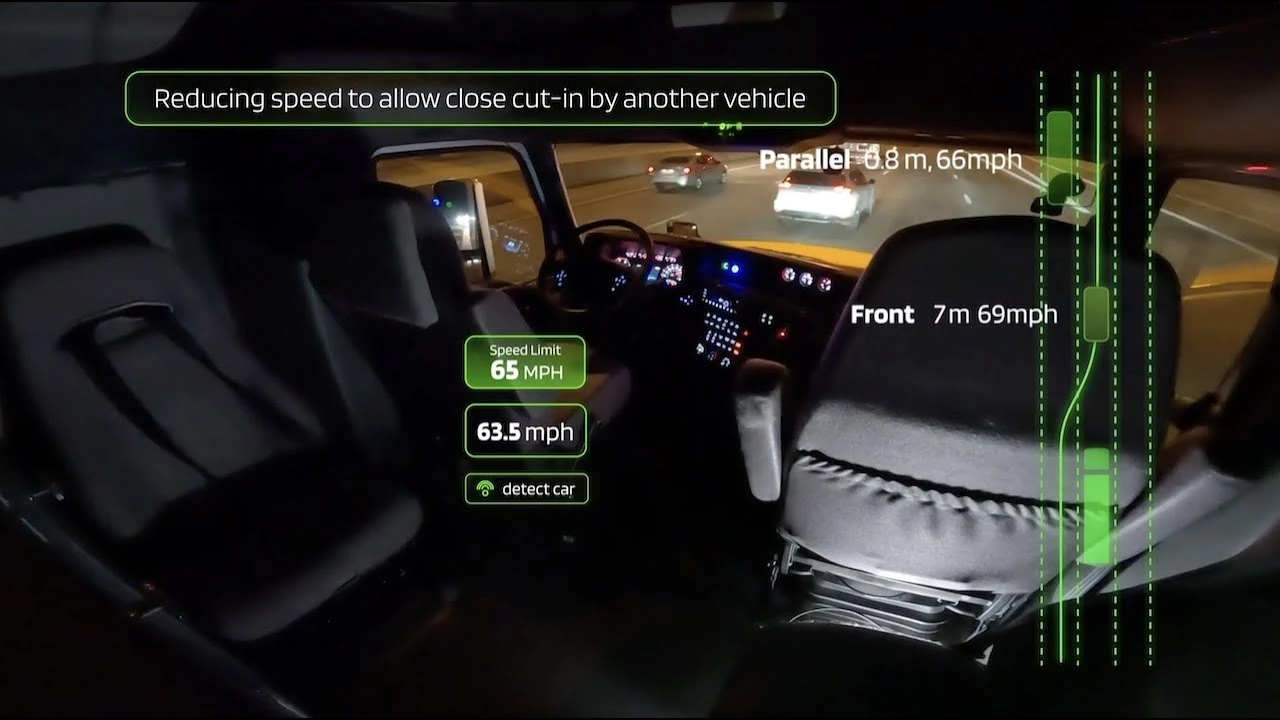
构建快速的产品问题解决迭代Forming Fast Product Problem-solving Iterations
在 TuSimple 构建快速的产品问题解决迭代:对齐上下文,最大化参与决策,快速实验,管理预期。Forming fast product problem-solving iterations at TuSimple: shared context, maximized participation in decision-making, quick experiments, and expectation management.

颠覆性技术公司用户研究入门Disruptive Technology Company User Research 101
在图森未来时写给团队初级设计师的一份用户研究入门。A user research primer written for the junior designers on my team at TuSimple.

X3 中的克拉克·肯特The Clark Kent of X3s
订一台选满M运动套件的宝马X3 30i:一台暗自想成为X3M的克拉克·肯特,附提车照片。Ordering a BMW X3 30i in full M Sport dress: a Clark Kent that secretly wishes it were an X3M, with delivery photos.
Comments