圆石滩老爷车展, 2024Pebble Beach Concours, 2024
今天的 18 号球道不打球No golf on the 18th fairway today
The 18th fairway at Pebble Beach is probably the most photographed stretch of golf course in the world. On the third Sunday of every August it doesn’t play golf: since 1950 the Concours d’Elegance has set up on this turf, and the world of old cars has no higher stage.
We arrived past noon, and the crowd at the gate had already thinned a little. The manufacturers’ stands were still working hard for attention. Under the Mercedes canopy stood a CLK GTR. Only two dozen or so of these exist in the world, a centerpiece for any museum you could name; here its job was to be the backdrop for foot traffic. I stood and watched for a while and never saw a single person stop. At the time it seemed like a joke. Later it turned out to be the keynote of the day.


Past the tents the course finally opened up: turf running all the way down to the water, the flags of the different sections standing in for the pins on the greens. The fog parked itself outside Carmel Bay all day and never once came in.

The lawns#
The two most comfortable kinds of people on the field: first, the children.


Second, the owners. The Testarossa people parked their cars in a neat line and then stood behind the tails talking all afternoon. The car is the ticket in; the talking is the point.


The new cars like to introduce themselves with numbers. Beside the SF90 stood a spec board: 986 horsepower, top speed 211 mph. On a lawn where the speed limit is walking pace, the number gives you the distinct illusion of meaning nothing at all.
The old racers, the ones actually entered, kept quiet. They had all gambled their lives on public roads once; their only assignment now is to sit by the green and take the sun. The sky that day was excessively blue, which made one yellow sixties prototype look excessively yellow.


Along the fence#


The entrants count as exhibits themselves. In the prewar section a lady in head-to-toe bright yellow sat on the running board of her family’s car, scrolling her phone, her outfit color-matched to the coachwork down to the last detail, an entrant’s badge pinned to her chest. Barely past two: the car still fresh, the human half tired first.

Under the flags#

The magenta flags belong to the wedges, all of them last century’s ideas about the future. The Modulo’s placard says 1970: that year, people assumed we’d all be driving flying saucers by now. The BMW’s cockpit runs on rows of green digital tubes, and looking out from inside it, the future it imagined faces a lawn full of straw hats. None of these futures ever made production, and now they park on the same grass as the retired racers, which seems fair enough.


In the prewar section the placards switch registers: no performance, only provenance. Year, model, the coachbuilder, the owner’s name and hometown. The red-and-black Duesenberg even had its party trick written up as a title, “Disappearing Top,” the roof folding away without a seam.

The green ribbon#
Around three the answer arrived: the green ribbon marks a winner. And a prize at Pebble Beach comes with a hard rule, the car must drive itself off the fairway and up the award ramp; if it can’t get up, the prize doesn’t count. For a good number of the entrants, this is one more road test, ninety-odd years after leaving the factory.
So a very slow queue formed along the fairway. The grandstand and the slope sat packed with people waiting to watch them climb: a red Maserati drove itself right past the back of the queue.
The lady of the Miura rested her arms on the window frame, in no hurry at all; on the tail of the Land Rover ahead of her, the ribbon was already tied.
An orange-and-grey two-tone coupe inched forward steaming from its rear wheel, a marshal in a headset waving it on, while the French bulldog in the back window stuck its tongue all the way out and delivered the crowd’s review for it.


Closing time#
With the prizes handed out, the crowd drifted toward the exits and the field went quiet again. The chrome bird on the black classic’s radiator cap held its takeoff pose; its audience had already gone.
Maserati number 500 was down to its last two spectators, sitting on a box behind the car, saying nothing, looking at the sea. The two gentlemen in hats by the EB110s weren’t finished: backs to the cars, and most likely not talking about them either.


The way out cut back between the tents. Bugatti’s new car turned slowly on a black turntable; Mercedes had tidied its stand into a spotless race shop. Before dark the turf goes back to the golf course, and the cars go back to their climate-controlled garages, until next August, when they come back to prove they still run.


圆石滩的18号球道,大概是全世界被拍得最多的一段高尔夫球场。每年八月的第三个星期天它不打球:从1950年起,Concours d’Elegance 就开在这片草皮上,老爷车的世界里没有比这更高的舞台。
我们过了中午才到,门口人已经少一些了。厂家的展区还是费尽心力在吸引注意。奔驰的凉棚底下摆着一台 CLK GTR。这种车全世界只有二十几台,放进哪家博物馆都是镇馆的角色,在这儿的工作是给人流当背景。我站着看了一会儿,没等到一个停下脚步的人。当时只当是个笑话,后来才发现这是全天的基调。
走完帐篷,球场才整个打开:草皮一路铺到海边,各分区的彩旗替代了果岭上的旗杆。雾在卡梅尔湾外面停了一整天,就是不进来。
草坪#
场上最自在的是两种人。一种是孩子。
另一种是车主。Testarossa 的主人们把车停成一水儿,然后聚在车尾聊了一下午。车是入场券,聊才是正事。
新车这头喜欢用数字自我介绍。SF90 边上立着规格牌:986匹马力,极速211 mph。在一片限速是步行的草地上,这数字给人一种毫无意义的错觉。
正经参赛的老赛车反而安静。它们当年都是在公路赛里玩过命的,如今的任务只剩停在果岭边上晒太阳。那天的天蓝得过分,把六十年代的一台黄色原型车衬得黄得也过分。
栅栏边#
参展的人自己也算展品。战前车区一位从头到脚明黄的女士坐在自家车的踏板上刷手机,人和车的配色分毫不差,胸前还别着参赛牌。才过两点,车还精神,人先累了。
彩旗底下#
玫红旗那片归楔形车,全是上个世纪对未来的想象。Modulo 的标牌上写着1970:那一年的人以为,将来我们都开飞碟。宝马的驾驶舱里排着绿色的数码管,从里往外看,它想象的未来对面坐着一整片草帽。这些未来一台都没能量产,眼下和退役的老赛车停在同一片草地上,倒也公平。
战前区的标牌换了个文风,不谈性能,谈出身:年份,车型,做车身的作坊,车主的名字和家乡。那台红黑两色的 Duesenberg 连绝活都写成了名号,“Disappearing Top”,篷布收起来时整个车顶消失得干干净净。
绿绸带#
三点前后谜底揭开:绿绸带是得奖的记号。而圆石滩的奖有条硬规矩,车必须自己从球道开上领奖台,开不上去,奖就不算数。对场上不少车来说,这是出厂九十多年后的又一场路考。
球道边于是排起一条走得极慢的队。看台和草坡上黑压压坐满了人,等着看它们爬坡:一台红色的玛莎拉蒂从队伍背后自己开过去。
Miura 的女主人把手臂搭在窗框上,不急不忙;她前面路虎的尾巴上,绸带已经系好了。
一台橙灰双色的老轿跑一边往前挪一边从后轮冒白烟,戴耳机的场务招手放行,后窗里的法斗把舌头伸得老长,替全场发表了意见。
散场#
奖发完,人往出口挪,场子重新安静下来。黑色老爷车水箱盖上的镀铬飞鸟还保持着起飞的姿势,围观它的人已经走光了。
500号玛莎拉蒂剩下最后两位观众,坐在车后的箱子上,谁也不说话,看的是海。EB110 前面两位戴礼帽的先生倒还没聊完:背对着车,聊的多半也不是车。
出场的路又从帐篷中间穿过。布加迪的新车在黑色转台上慢慢转;奔驰把展位收拾成一间一尘不染的赛车修理间。天黑之前,草皮就会还给球场;车们各回各的恒温车库,等明年八月再来,证明自己还能动。
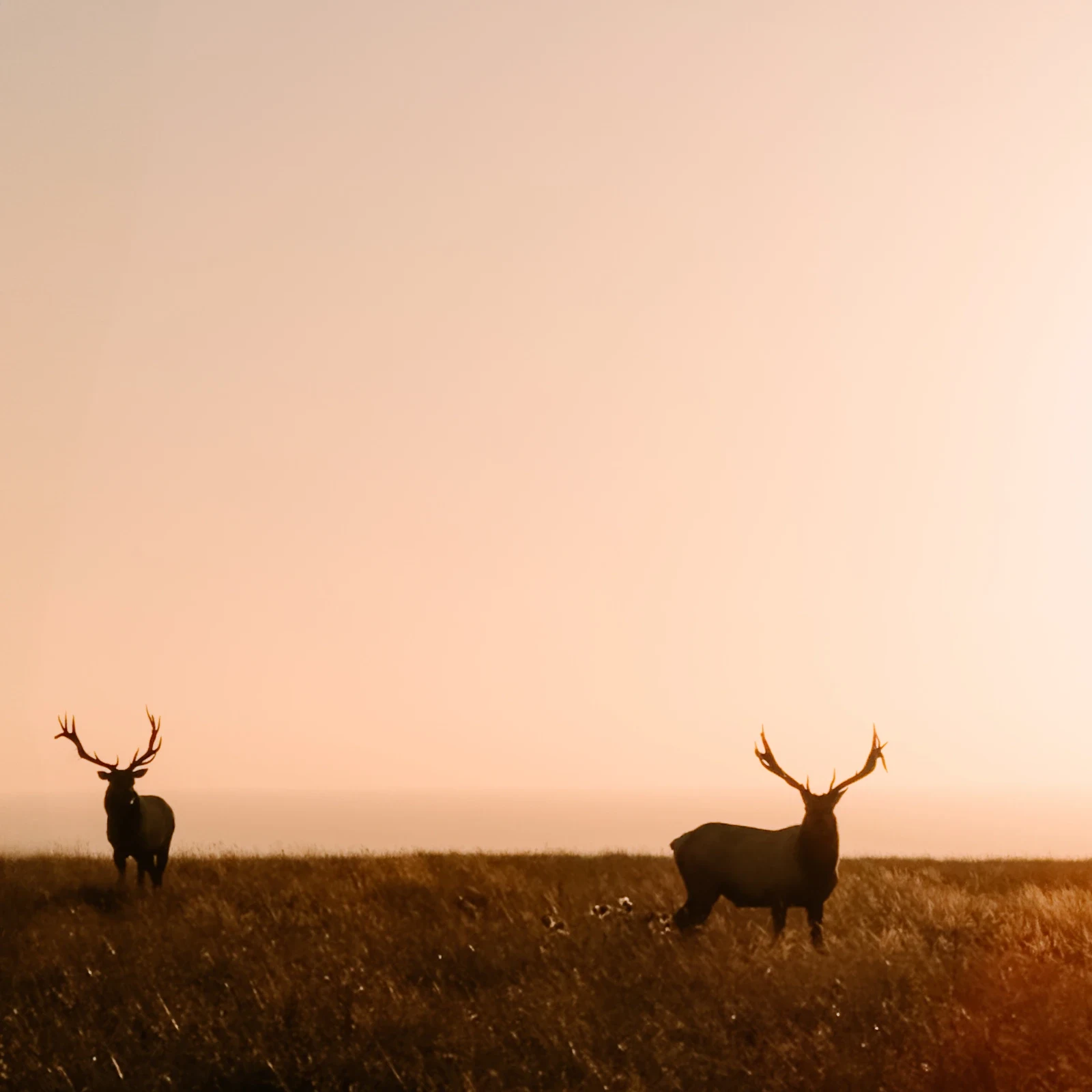
Point Reyes, CaliforniaPoint Reyes, California
oh,我们看到图莱里麋鹿了!Oh, we saw the tule elk!
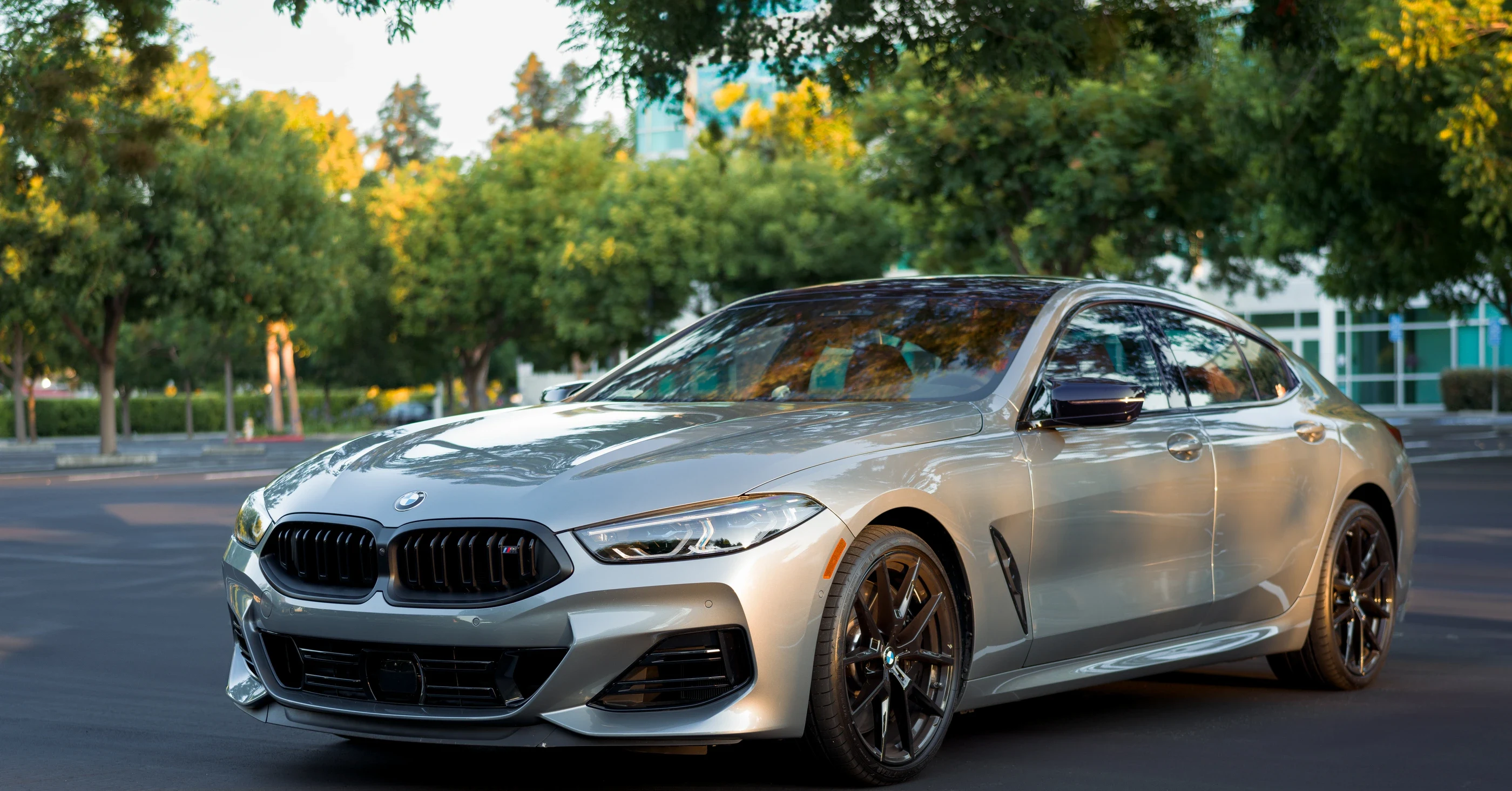
M850i Gran CoupeM850i Gran Coupe
周六最后一小时的阳光,和我的新玩具The last hour of Saturday's sun, and my new toy
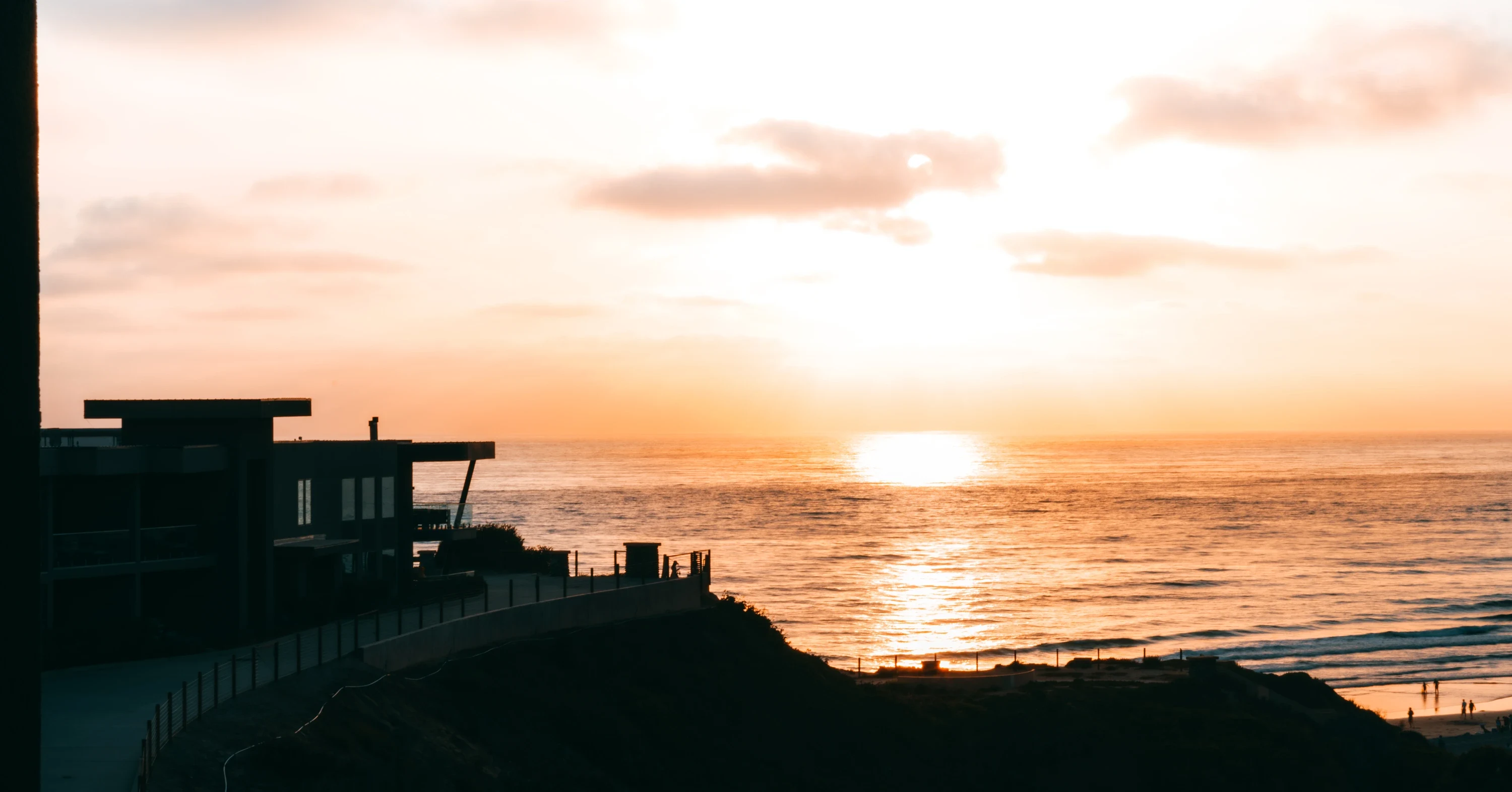
圣地亚哥, CaliforniaSan Diego, California
我的私藏小镇,和阴天的 GliderportThe town I keep to myself, and the gliderport on a gray day
Comments