知道为何而活,便能承受任何生活He who has a why to live can bear almost any how
转自知乎日报:从尼采的“知道为何而活,便能承受任何生活”谈到点燃孩子对生命的热爱。A Zhihu Daily repost: from Nietzsche's "he who has a why to live" to lighting a child's love of life.
转自知乎日报
尼采有句话,是这个问题的最好答案:
He who has a why to live can bear almost any how
无论面对什么样的困难,比克服困难的技能更重要的,是克服困难的动机。只要内心的火焰没有熄灭,哪怕寒风再凛烈,活着也是一件温暖的事情。幼年乃至童年教育所要做的,就是点燃孩子内心的火焰。教他们爱,教他们人生的美好,教他们希望,教他们世上各种知识的有趣。当他们拥有了对生命发自内心的热爱之后,再残酷的社会,也打不垮他们。
如果不热爱生命,既然人生这么残酷,还活着干什么呢?
我特别喜欢伯利克里在雅典阵亡将士葬礼上的演说:
我们不花费时间来训练自己忍受那些尚未到来的痛苦,但是当我们真的遇到痛苦的时候,我们表现出我们自己正和那些经常受到严格训练的人一样勇敢。
那么,为什么雅典人不像斯巴达人那样从小经受严酷的军事训练,却可以做到同样的勇敢?伯利克里认为,那是因为雅典是一个伟大的城邦,雅典人发自内心的热爱它:
我们爱好美丽,但是没有因此而变得奢侈;我们爱好智慧,但是没有因此而变得柔弱。我们把财富当作可以适当利用的东西,而没有把它当作可以夸耀自己的本钱。至于贫穷,谁也不必以承认自己的贫穷为耻,真正的耻辱是为避免贫穷而不择手段。……
再者,在关于友谊的问题上……我们是独特的。当我们真正给予他人以恩惠时,我们不是因为考虑我们的得失才这样做的,而是由于我们的慷慨,我们不会因为这样做而后悔。因此,如果把一切都联系起来考虑的话,我可以断言,我们的城邦是全希腊的学校……
这就是这些烈士为它慷慨而战、慷慨而死的一个城邦,因为他们只要想到丧失了这个城邦,就会不寒而栗。
给孩子一个热爱生命的理由吧。
查看知乎讨论
我们应该严厉教育孩子吗?
程大功, 一只想转行心理/教育行业的程序猿,求机会
上周末,我去表姐家作客,她有个九岁的女儿,很喜欢我,因为我会带着她一起疯玩儿。那天晚上,我们在客厅聊天,旁边的小女孩儿吵着让我带她玩儿,被父母呵斥,只能无奈的自己在电脑上玩游戏。可她并未善罢甘休,一会儿把声音开得特别大,一会儿大声跟游戏中角色对话,她爸妈只能一次次斥责。
当她又一次闹起来的时候,我坐到她身边,把她搂到怀里,看着她的眼睛,轻轻地笑着说:“琪琪,舅舅知道你想和我玩儿,舅舅也很愿意带你玩儿。只是舅舅好久没见到爸爸妈妈了,想和他们说说话。再等一会,咱们聊完了,我就带你玩儿,好不好?”她点点头,我就摸了摸她的脑袋说“真乖”。
此后,她一直乖乖地等到我们的谈话结束。
我还没有结婚,更没有孩子,但一直很喜欢孩子,亲戚朋友家的孩子都爱跟我一起玩。我觉得孩子需要尊重,需要爱,需要关怀,需要温柔的对待。有人说如果讲道理讲不通,打骂或者严厉的威吓就是唯一的方法。其实并非如此。对孩子,讲道理有时是没用的,因为一个很小的孩子本身就缺乏逻辑和理解能力。所以, 能够打动孩子,说服孩子的,实际上是你对待她的态度,说话时的表情和语气。这些,比话语的内容更重要。你在乎孩子的感受和愿望,孩子就会在乎你的感受和愿望。通情,才能达理。
有人会说,那如果家长态度很棒,可孩子还是不听话,怎么办呢,总不能听之任之吧?我完全同意家长需要有原则,但原则并不一定要通过恐吓来实现(严厉就是一种恐吓)。@OursLeya 在答案里提到了他让孩子按时吃饭的方法,是一个很好的例子。在回答 怎样才能讨人喜欢的同时做你自己? 这个问题的时候,我也举了一个例子:
曾在微博上看到有位妈妈,当女儿堵气要求她一定要给她买礼物时候,当女儿威胁她说”不给我买,我就不乖了!“的时候,她是这样回答的:
“囡囡,即使你不乖,妈妈也爱你。”
据说,孩子立刻就变得迟疑了,把张开的刺给收了起来。她不以敌意对抗敌意,而是温柔的坚持。这种态度让孩子明白,买不买东西与她爱不爱她无关,纯粹只是一件孤立的小事而已。许多时候,我们被拒绝时之所以生气,不是因为那件事,而是觉得这种拒绝意味着对方不把我们放在心上。如果我们可以确定自己的安全和被爱,自然就不会为这种小事生气了。
温柔的坚持,没有敌意的坚决,大概是应对与孩子的冲突的最好的方式了
Reposted from Zhihu Daily
Nietzsche has a line that is the best answer to this question:
He who has a why to live can bear almost any how
Whatever the difficulty one faces, more important than the skill to overcome it is the motivation to overcome it. As long as the flame inside has not gone out, however bitter the cold wind blows, being alive is still a warm thing. What education in infancy and early childhood must do is light the flame inside a child. Teach them love, teach them the beauty of life, teach them hope, teach them how interesting all the knowledge in the world is. Once they hold a heartfelt love of life, no society, however cruel, can break them.
If one does not love life, then given how cruel life is, what is the point of living at all?
I am especially fond of Pericles’ oration at the funeral of the Athenian soldiers who fell in battle:
We do not spend our time training ourselves to endure sufferings that have not yet arrived; but when we truly meet with suffering, we show ourselves every bit as brave as those who are forever under strict training.
Why, then, could the Athenians, who unlike the Spartans did not endure harsh military training from childhood, achieve the same courage? Pericles believed it was because Athens was a great city, and the Athenians loved it from the bottom of their hearts:
We love beauty, yet have not grown extravagant because of it; we love wisdom, yet have not grown soft because of it. Wealth we treat as something to be put to proper use, not as capital for boasting about ourselves. As for poverty, no one need be ashamed to admit to it; the true shame is stopping at nothing to escape it. …
Further, on the question of friendship… we are unique. When we truly confer a kindness on others, we do so not out of any reckoning of our gain and loss, but out of our generosity, and we do not regret having done it. And so, if everything is weighed together, I may declare that our city is the school of all Hellas…
Such is the city for which these martyrs fought without stinting and died without stinting, for the mere thought of losing it made them shudder.
Give a child a reason to love life.
See the discussion on Zhihu
Should we raise children strictly?
Cheng Dagong, a code monkey hoping to switch into the psychology/education field, seeking opportunities
Last weekend I was a guest at my cousin’s home. She has a nine-year-old daughter who is very fond of me, because I will romp around and play with her. That evening, while we chatted in the living room, the little girl beside us clamored for me to take her off to play, got scolded by her parents, and could only resign herself to playing games on the computer alone. But she was not about to let it go: one moment she turned the volume way up, the next she talked loudly at the characters in her game, and her mom and dad could only scold her again and again.
When she kicked up a fuss yet again, I sat down beside her, gathered her into my arms, looked into her eyes, and said with a gentle smile: “Qiqi, Uncle knows you want to play with me, and Uncle would love to play with you. It’s just that Uncle hasn’t seen your mommy and daddy for a long time and wants to talk with them a while. Wait a little longer, and once we’ve finished talking, I’ll come play with you, all right?” She nodded, and I stroked her head and said, “Good girl.”
After that, she waited, good as gold, until our conversation was over.
I am not married yet, let alone a father, but I have always loved children, and the children of relatives and friends all love playing with me. I believe children need respect, need love, need care, need to be treated gently. Some say that when reasoning fails, hitting, scolding, or stern intimidation is the only way. In fact it is not so. With children, reasoning is sometimes useless, because a very small child simply lacks logic and the capacity to understand. So what actually moves a child, what persuades a child, is your attitude toward her, the expression and tone with which you speak. These matter more than the content of the words. Care about a child’s feelings and wishes, and the child will care about yours. Only by reaching the heart can reason get through.
Some will say: then what if the parents’ attitude is excellent and the child still won’t listen, what then, surely you can’t just let it slide? I entirely agree that parents need principles, but principles need not be enforced through intimidation (sternness is a kind of intimidation). @OursLeya mentioned in an answer his method for getting his child to eat on time, which is a very good example. In answering the question How can you be likable and still be yourself?, I also gave an example:
I once saw on Weibo a mother whose daughter, in a fit of pique, demanded that she absolutely must buy her a present, and when the daughter threatened her, “If you don’t buy it, I won’t be good anymore!”, this is how she replied:
“Sweetheart, even if you aren’t good, Mommy loves you all the same.”
The child, it is said, immediately grew hesitant and drew in the quills she had raised. The mother did not meet hostility with hostility; she held her ground gently. That attitude let the child understand that buying or not buying the thing had nothing to do with whether she was loved; it was purely an isolated little matter. Much of the time, when we get angry at being refused, it is not over the thing itself, but because we feel the refusal means the other person does not hold us in their heart. If we can be certain that we are safe and loved, we naturally will not get angry over such small things.
Gentle persistence, firmness without hostility: this is probably the best way to meet conflict with a child
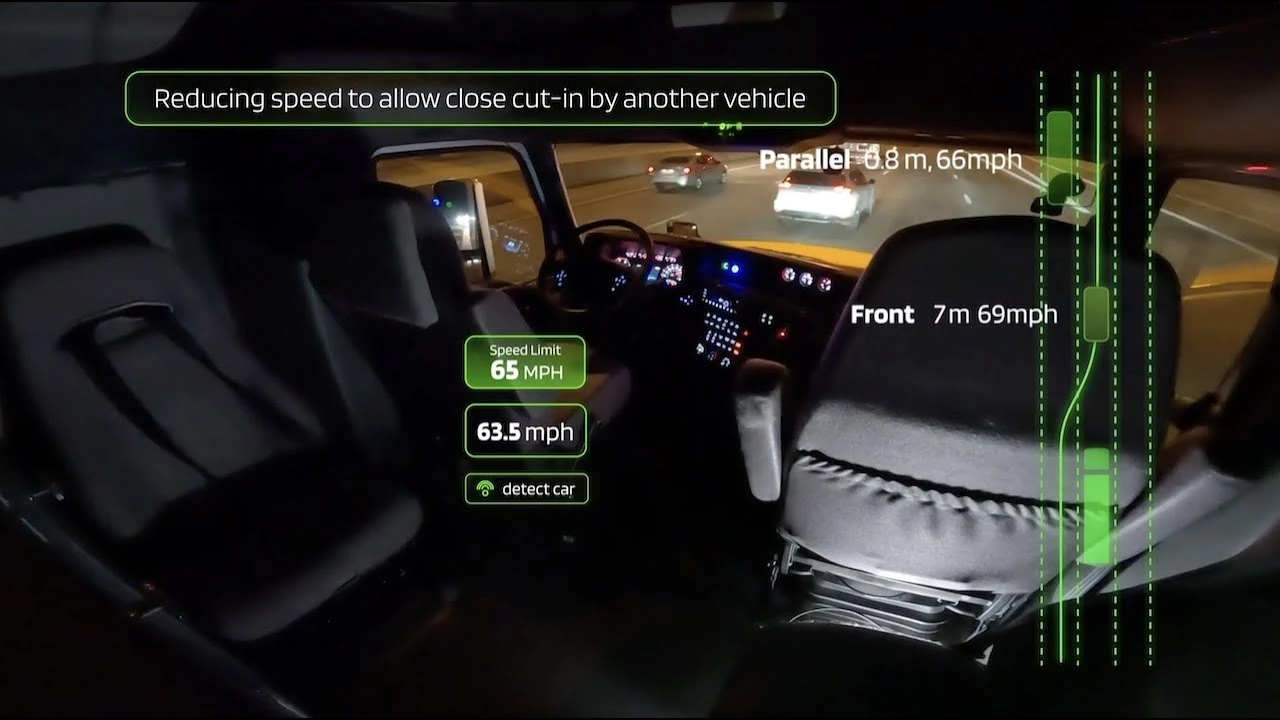
构建快速的产品问题解决迭代Forming Fast Product Problem-solving Iterations
在 TuSimple 构建快速的产品问题解决迭代:对齐上下文,最大化参与决策,快速实验,管理预期。Forming fast product problem-solving iterations at TuSimple: shared context, maximized participation in decision-making, quick experiments, and expectation management.

颠覆性技术公司用户研究入门Disruptive Technology Company User Research 101
在图森未来时写给团队初级设计师的一份用户研究入门。A user research primer written for the junior designers on my team at TuSimple.

X3 中的克拉克·肯特The Clark Kent of X3s
订一台选满M运动套件的宝马X3 30i:一台暗自想成为X3M的克拉克·肯特,附提车照片。Ordering a BMW X3 30i in full M Sport dress: a Clark Kent that secretly wishes it were an X3M, with delivery photos.
Comments