也说一下简历怎么写My Two Cents on Writing a Resume
五分钟说说产品经理的简历怎么写:挑真实有价值的项目,一句话说清楚,多用数据。Five minutes on writing a product manager's resume: pick real, valuable projects, say each thing in one sentence, and use numbers.
我就简单说一下产品的简历怎么写,五分钟。
简历的重要性不用说了,这里作为一个菜鸟面试官,说一下什么样的简历可以获得(我这样的)面试官的青睐和喜爱你先。还是目标导向,两个阶段。第一个阶段:快速在HR或leader面前获得与实力匹配的展现。既然目标如此,快速拆解后得到两条路径内容挑选上:
- 挑选重点项目
- 省略非重点项目
内容组织上:
- 结构化展示
- 突出重点内容
-----上面说的都是扯淡的-----作为一个干货满满的博客,怎么可能扯这种没用的!道理谁都懂,怎么做是关键=。=跟着我一条一条check先说内容(校招和社招因为人生阶段的问题内容挑选迥异,仅对社招进行展开):内容挑选上:
- 首先,简历中尽量写客观存在的事实。比如你做的项目,毕业的学校所在的公司balabala,长得好看(不是自认为好看)的妹子可以贴个照片。自我评价兴趣爱好之类的就别写了,谁还不会夸自己两句呢?是不是真的,往往就是另一个故事了。
- 其次,尽量挑选自己亲身经历的项目,如果并非自己真实参与,很难了解所有细节和做决定的原因。特别是在面试官问到为什么产品的最终呈现是当下的样子,为什么要这么做而不是那么做的时候,你很可能只能一脸懵逼的望着他。
- 其三,自己真实经历的项目中,挑选有价值的项目。这个怎么判断呢?用下面几个条件去check
需求影响的用户量级是否足够巨大?如果是大APP中的功能,这个需求影响的用户比例是否较大?产生的数据收益是否较高?如果是单品app,日活留存是否处在市场或竞品水平中上游?如果是,可以考虑写上去作为2C产品,这个需求是来自用户还是来自Boss?产品经理的职责是发现用户需求并实现,如果项目中你的角色只是实现需求,别写上去了作为2B产品,这个需求是否能够完美满足甲方需求?是否按排期甚至提前与排期上线?上线后反馈是否良好?如果是,可以考虑写上去
- 最后补充一点,籍贯啊性别什么的,一般没人会在意的。能不写就别写了。
内容组织上
- 尽量一句话把事情说清楚。为什么做,过程中你做了什么,得到了什么效果就可以了。举个例子:发现用户XX需求并设计交互与逻辑,提升产品留存15%。这就是把事情说清楚了。絮絮叨叨说一大通,面试官很难有阅读欲望啊..你自己看到有干货的长文还要先码再看呢不是,何况一个不知道好坏的简历呢?
- 补充一下上一条,一堆文字中数据是很容易抓住人的眼球的。另外一个量化的数据也会比『精通』『良好』之类的词要来得客观的多。毕竟大家都是见过很多精通XXXXXX的水货的人了。所以,多用数据描述你的工作吧。
简历的样式上
- 关于样式,只能说各花入各眼,你想一张白纸也好充满个性也罢,都可以。别影响阅读。
- 不要吝啬你的换行按钮,加一行分隔,有时候能看得清楚多了。
五分钟,说完了。---补充一下,各位应届生朋友!高中时候的学习成绩啊,坚持了三年早起这种事情,就不要写到简历上了啊!你是来搞笑的吗!
Let me just quickly cover how to write a product manager’s resume. Five minutes.
No need to belabor how much a resume matters. Here, speaking as a rookie interviewer, let me talk about what kind of resume wins the favor and affection of interviewers (like me) first. Goal-oriented as always, in two stages. Stage one: quickly getting yourself shown to HR or the team lead in a way that matches your real strength. Given that goal, a quick breakdown yields two paths. On choosing content:
- Pick the key projects
- Leave out the non-key projects
On organizing the content:
- Present it with structure
- Make the key points stand out
-----Everything above is hot air-----As a blog stuffed with substance, how could I peddle useless stuff like that! Everyone knows the principles; the doing is what counts =。= Follow me and check them off one by one. Content first (campus hires and experienced hires differ hugely in what to pick, life stages being what they are; I’ll only expand on experienced hires): On choosing content:
- First, stick as much as possible to objectively verifiable facts in the resume. The projects you did, the school you graduated from, the company you’re at, blahblah. Girls who are genuinely good-looking (not merely good-looking in their own estimation) may attach a photo. Skip the self-evaluations and hobbies and such; who can’t say a couple of nice things about themselves? Whether they’re true is usually another story.
- Second, choose projects you personally lived through wherever possible. If you weren’t genuinely involved, it’s hard to know all the details and the reasons behind the decisions. Especially when the interviewer asks why the product ended up looking the way it does now, why it was done this way and not that way, you’ll most likely just stare at him, utterly stumped.
- Third, from among the projects you genuinely experienced, pick the ones with value. How do you judge that? Check against the conditions below
Is the number of users the feature touches large enough? If it’s a feature inside a big app, does it touch a sizable share of users? Are the metric gains it produced substantial? If it’s a standalone app, are daily actives and retention in the upper half of the market or the competition? If yes, consider putting it in. For a 2C product, did the need come from users or from the Boss? A product manager’s job is to discover user needs and deliver on them; if your role in the project was only delivery, leave it out. For a 2B product, did it fully satisfy the client’s requirements? Did it ship on schedule, or even ahead of schedule? Was the feedback after launch good? If yes, consider putting it in
- One last addition: hometown, gender and the like, generally nobody cares. If you can leave it off, leave it off.
On organizing the content
- Say each thing clearly in one sentence if you can. Why it was done, what you did along the way, what result came of it; that’s enough. An example: identified user need XX, designed the interaction and logic, lifted product retention by 15%. That is saying it clearly. Ramble on and on and the interviewer will hardly feel like reading it.. Even you save a meaty long read for later before actually reading it, don’t you, let alone a resume of unknown quality?
- To add to the last point: in a wall of text, numbers grab the eye very easily. And a quantified figure is far more objective than words like “mastery” or “proficient”. After all, we’ve all met plenty of duds with a claimed mastery of XXXXXX. So describe your work with numbers, as much as you can.
On the look of the resume
- On styling, all I can say is to each their own; a blank white sheet or something bursting with personality, either is fine. Just don’t get in the way of the reading.
- Don’t be stingy with your line-break key. One extra line of separation sometimes makes things far clearer.
Five minutes, and that’s it.---One more thing, dear fresh graduates! Your high school grades, or how you kept up early rising for three whole years: do not put these on your resume! Are you here to do comedy!
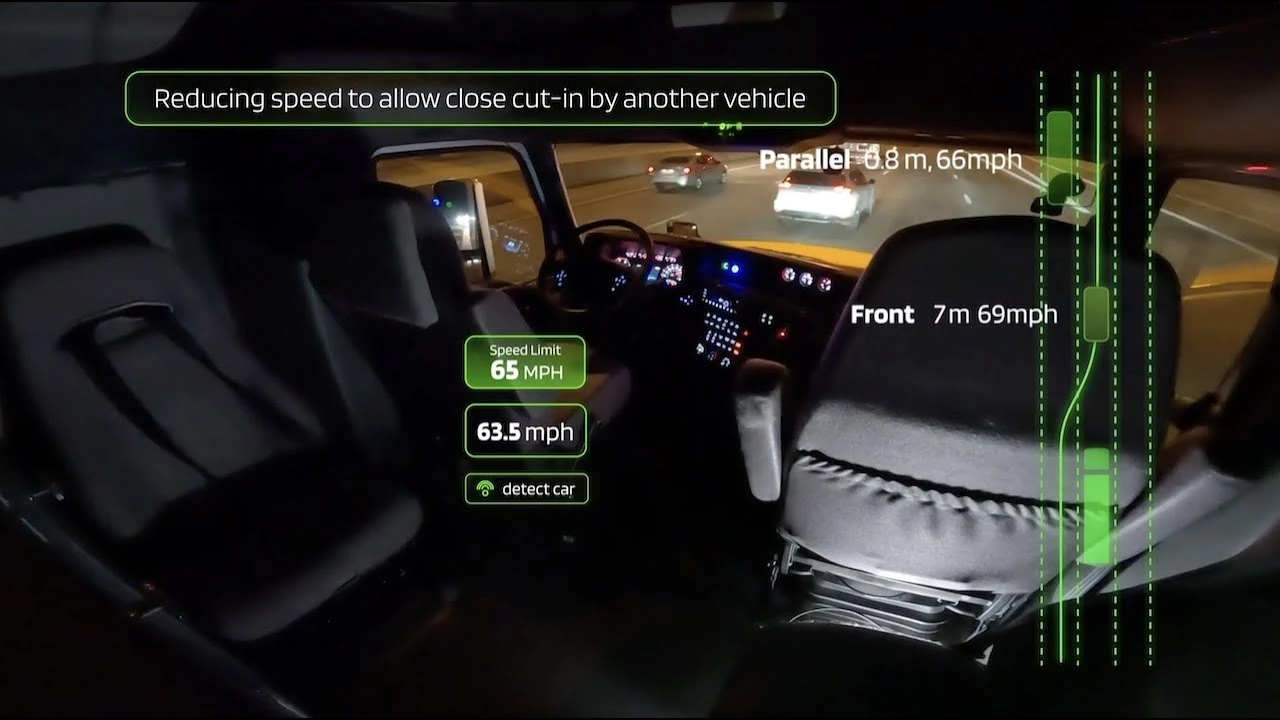
构建快速的产品问题解决迭代Forming Fast Product Problem-solving Iterations
在 TuSimple 构建快速的产品问题解决迭代:对齐上下文,最大化参与决策,快速实验,管理预期。Forming fast product problem-solving iterations at TuSimple: shared context, maximized participation in decision-making, quick experiments, and expectation management.

颠覆性技术公司用户研究入门Disruptive Technology Company User Research 101
在图森未来时写给团队初级设计师的一份用户研究入门。A user research primer written for the junior designers on my team at TuSimple.
产品讨论Product Discussions
一篇关于如何开产品讨论会的笔记:区分事实判断与价值判断,想清楚哪些讨论值得花时间。Notes on how to run product discussions: separating factual judgments from value judgments and deciding which debates are worth the time.
Comments