产品方法论体系化手册Product Methodology Systemization Playbook
一份产品方法论体系化手册:把失败和成功都记录下来,让决策依靠证据而不是记忆。A playbook for systemizing product methodology: recording failures and successes so decisions rest on evidence instead of memory.
What We Want#
We want every failure to be recorded so that we don’t repeat it. We want every success to be summarized so that we can reproduce or replicate it when needed.
Why?#
We need evidence to support our product decisions, especially when working with teams that have drastically different goals. We want to build new successes based on our past experiences, both successes and failures.
What We Do Not Want#
We do not want our experience to disappear into thin air. We do not want our decision-making process to exist only in words or memory.
Why?#
Records and documentation help us remember. Recording and documenting force us to summarize, reflect, and think.
What Is the Principle of Systemization in Our Context?#
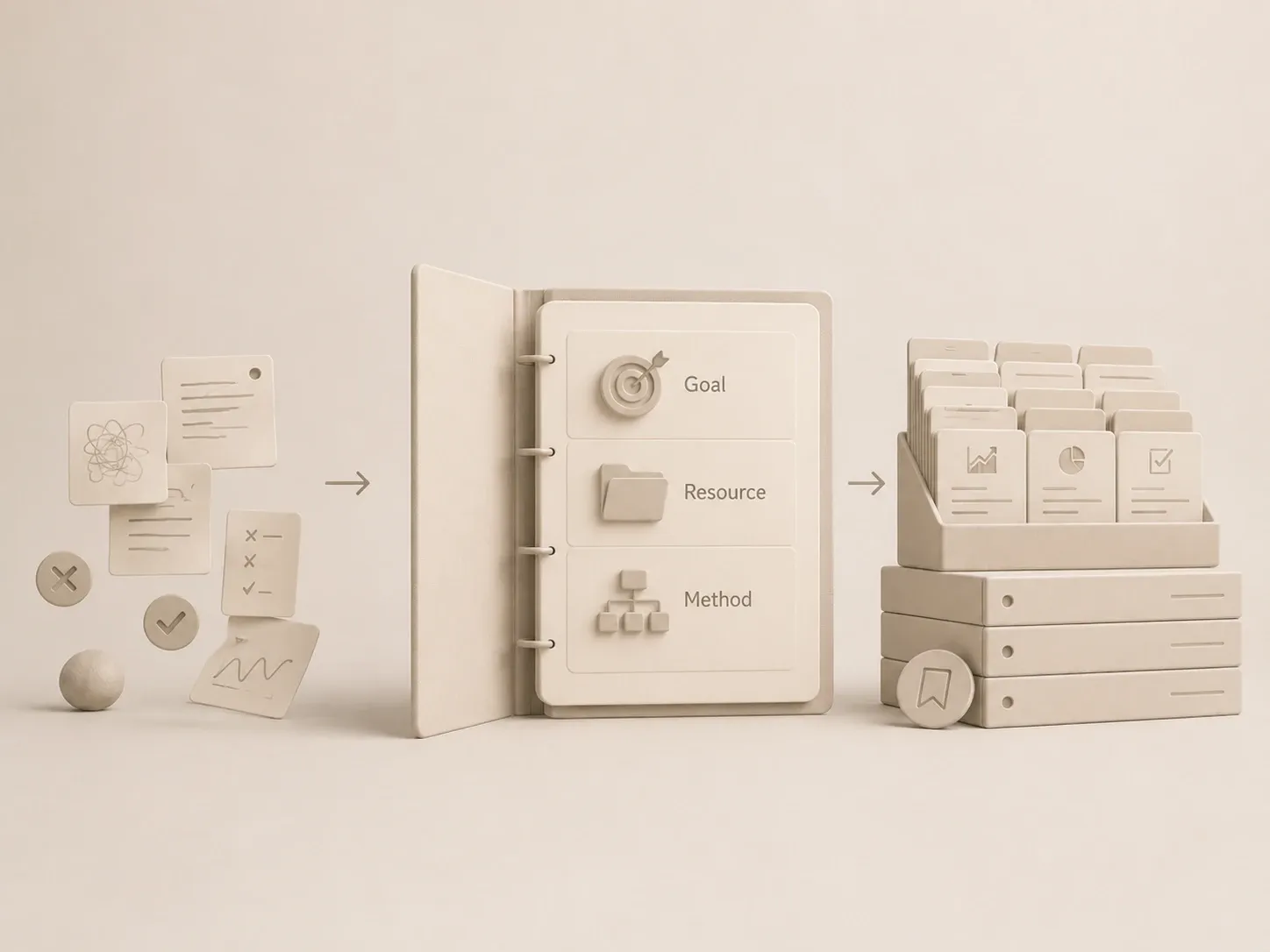
Understand, remember, and practice the “Goal / Resource / Method” approach.
- Goal: The impact we aim to make on our users.
- Resource: The resources required to achieve that goal.
- Method: The way we utilize those resources.
So, What Should I Do?#
This part is actually quite straightforward. The intention here is to create an actionable guidebook everyone can follow.
Pre-Product Design#
This is the phase where product planning occurs.
Action Plan#
- Identify a theme for product requirements and group them by a common goal.
- Define each theme based on user behaviors, rather than data-driven goals.
- Ensure each theme contributes to a specific, traceable goal.
- Determine priority based on potential impact on users.
- First, establish the priority of themes, then of specific requirements.
- Use frameworks like D.I.C.E to maintain consistent prioritization standards.
- Describe concrete action items, including design or logic changes for each requirement.
- Clearly explain the specific changes the product update will bring to users.
- Avoid vague or non-directional descriptions that fail to indicate what will actually change.
Post-Product Design#
This phase might actually be the most crucial one.
We need substantial evidence to support our product decisions. The team is learning to use user input as guidance, but we often only hear from a handful of users, not enough to make accurate decisions every time. Meanwhile, user research is time-consuming.
Data is another way to identify existing user behaviors. However, our data isn’t always clean, and with only one data analyst in-house, we must prevent her from being overwhelmed.
That said, delivering new features is a continuous part of our work. This is why we need a playbook or experience log to document what we’ve done. It’s also the most natural and time-efficient habit we can build.
Action Plan#
-
Ensure we understand how users are actually using what we deliver.
- The goal is to draw insights such as: “Users tend to…” or “Users prefer…”
-
For A/B tests, ensure test setups, design logic, and results are recorded and archived.
-
For new designs, ensure that changes in user behavior are collected.
- User behaviors refer to concrete actions such as button clicks and page views.
- Behavior data should be granular and grouped by user segments.
-
Avoid focusing solely on “big goals” (e.g., DUV to Order conversions).
- These metrics are useful but don’t always reveal why users behave a certain way.
-
Ensure all of these are properly documented.
What Is Proper Documentation?#
Let’s Talk About Documentation Culture#
Why Write and Read Documents?#
- Writing documents is a process of structured thinking and conclusion-making.
- Good documentation clearly and reliably transfers and preserves information in a structured way.
- Reading documents is the best way to understand structured product reasoning and conclusions.
What Makes Good Documentation?#
- Anyone with some project context (even if not present in every meeting) should be able to understand the document’s conclusions and the reasoning behind them without asking the author.
- It should not rely on unrelated documents or unrecorded verbal knowledge (e.g., “modified xxx/xxx based on online logic”).
- Use precise language to describe intentions and actions.
- Provide full names for abbreviations, and replace jargon or slang with clear, human language.
What Constitutes Good Reading?#
- Understand the intent and conclusions of the author.
What If There’s No Time to Write Documents?#
Check out the Working Backwards Document: How We Ship Features, The Framework.
Before Writing a Document…#
- Understanding user behavior and journey is a prerequisite for discussing logic and writing a product document.
- Remember: documents are meant for readers other than the author, not just for the author themselves.
我们想要什么#
我们希望每一次失败都被记录下来,这样才不会重蹈覆辙。我们希望每一次成功都被总结出来,这样在需要时才能复现或复制它。
为什么?#
我们的产品决策需要证据支撑,尤其是在与目标差异巨大的团队协作时。我们希望在过往经验(无论成功还是失败)的基础上,创造新的成功。
我们不想要什么#
我们不希望自己的经验凭空消失。我们不希望决策过程只存在于口头或记忆之中。
为什么?#
记录与文档帮助我们记住。而记录和写文档的过程,会促使我们去总结、复盘和思考。
在我们的语境下,体系化的原则是什么?#
理解、记住并践行**「目标 / 资源 / 方法」**这套思路。
- 目标:我们希望给用户带来的影响。
- 资源:达成该目标所需要的资源。
- 方法:我们运用这些资源的方式。
那么,我该怎么做?#
这部分其实很直接。这里的用意,是做出一本人人都能照着执行的行动手册。
产品设计之前#
这是进行产品规划的阶段。
行动计划#
- 为产品需求确定一个主题,并按共同目标将需求归组。
- 基于用户行为来定义每个主题,而不是基于数据指标目标。
- 确保每个主题都指向一个具体的、可追溯的目标。
- 根据对用户的潜在影响来确定优先级。
- 先确定主题的优先级,再确定具体需求的优先级。
- 使用 D.I.C.E 之类的框架,保持优先级评判标准的一致。
- 描述具体的行动项,包括每个需求涉及的设计或逻辑改动。
- 讲清楚这次产品更新会给用户带来哪些具体变化。
- 避免那些含糊、缺乏方向、看不出到底要改什么的描述。
产品设计之后#
这个阶段也许才是最关键的。
我们的产品决策需要充分的证据来支撑。团队正在学习把用户的声音当作指引,但我们往往只能听到一小部分用户的反馈,不足以让我们每次都做出准确的决策。与此同时,用户调研本身也很耗时。
数据是识别现有用户行为的另一条路。然而我们的数据并不总是干净的,而且公司内部只有一位数据分析师,我们必须避免让她被压垮。
话虽如此,交付新功能是我们工作中持续进行的部分。这正是我们需要一份手册或经验日志来记录所做之事的原因。这也是我们能养成的最自然、最省时的习惯。
行动计划#
-
确保我们了解用户实际上是如何使用我们交付的功能的。
- 目标是提炼出这样的洞察:「用户倾向于……」 或 「用户更喜欢……」
-
对于 A/B 测试,确保实验设置、设计逻辑和结果都被记录并归档。
-
对于新设计,确保收集到用户行为的变化。
- 用户行为指的是按钮点击、页面浏览这类具体动作。
- 行为数据应当是细颗粒度的,并按用户群体分组。
-
避免只盯着「大目标」(例如 DUV 到订单的转化)。
- 这些指标有用,但并不总能揭示用户为什么会这样做。
-
确保以上所有内容都得到妥善记录。
什么才是合格的文档?#
先聊聊文档文化#
为什么要写文档、读文档?#
- 写文档是一个结构化思考并形成结论的过程。
- 好的文档能以结构化的方式,清晰而可靠地传递并保存信息。
- 读文档是理解结构化的产品推理与结论的最好方式。
好的文档是什么样的?#
- 任何有一定项目背景的人(哪怕没有参加每一场会议),都应该不用去问作者,就能看懂文档的结论以及结论背后的推理。
- 它不应依赖不相关的文档,或未被记录下来的口头信息(例如「按线上逻辑修改了 xxx/xxx」)。
- 用精确的语言描述意图与动作。
- 缩写要写出全称,用清晰的人话替代行话和黑话。
什么才算好的阅读?#
- 理解作者的意图与结论。
没时间写文档怎么办?#
请查看 Working Backwards 文档:我们如何交付功能(框架篇)。
写文档之前……#
- 理解用户行为与用户旅程,是讨论逻辑、撰写产品文档的前提。
- 记住:文档是写给作者以外的读者看的,而不只是写给作者本人。
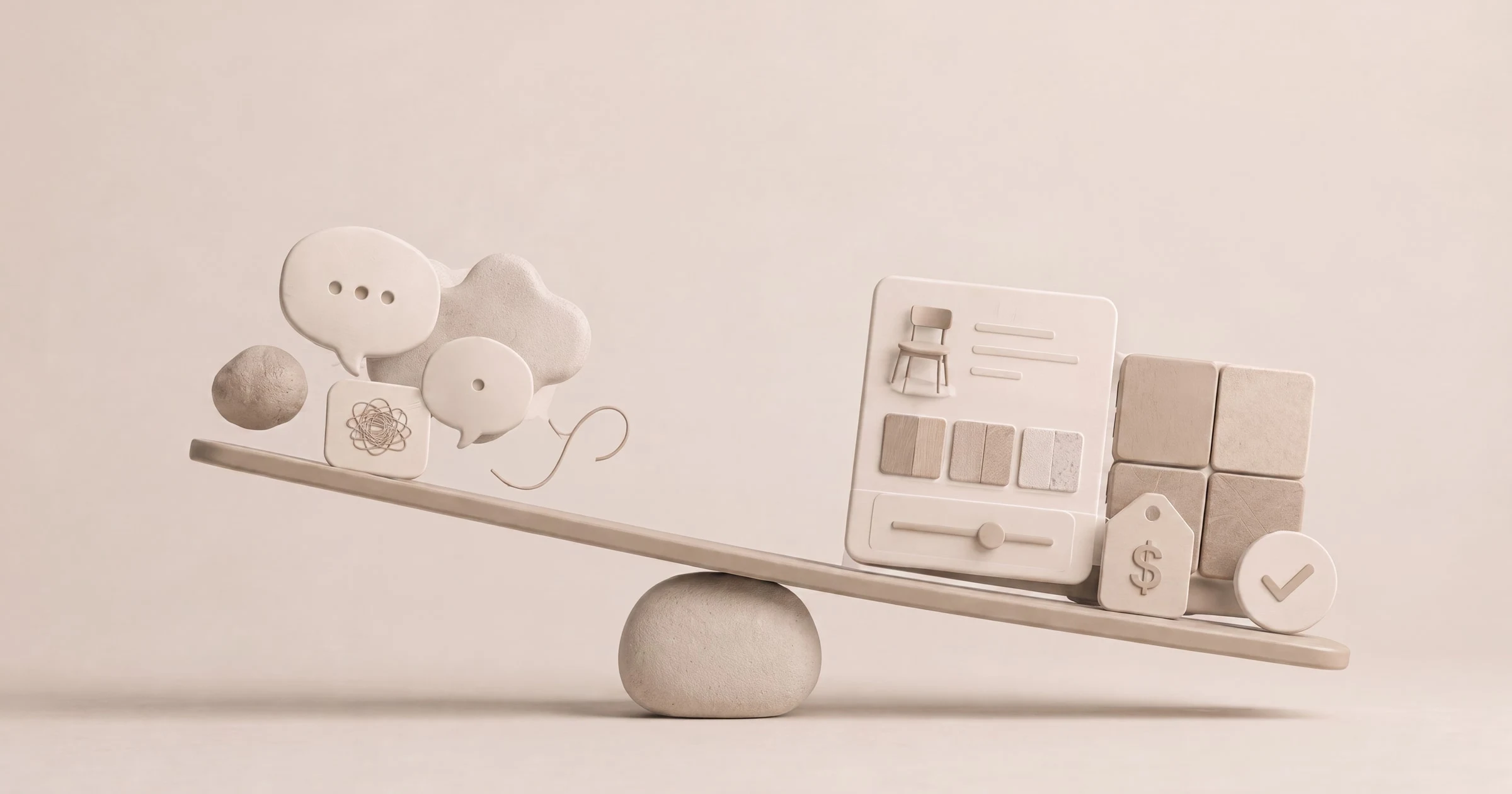
轻定制中能力与产品妥协的平衡Balancing Capability and Product Compromise in Light Customization
讨论Alibaba.com轻定制项目如何在能力妥协与产品妥协之间取舍:以「全交易化」为方向的指导原则。How the Alibaba.com Light Customization project should balance capability limits against product compromise, with full transactionalization as the guiding principle.
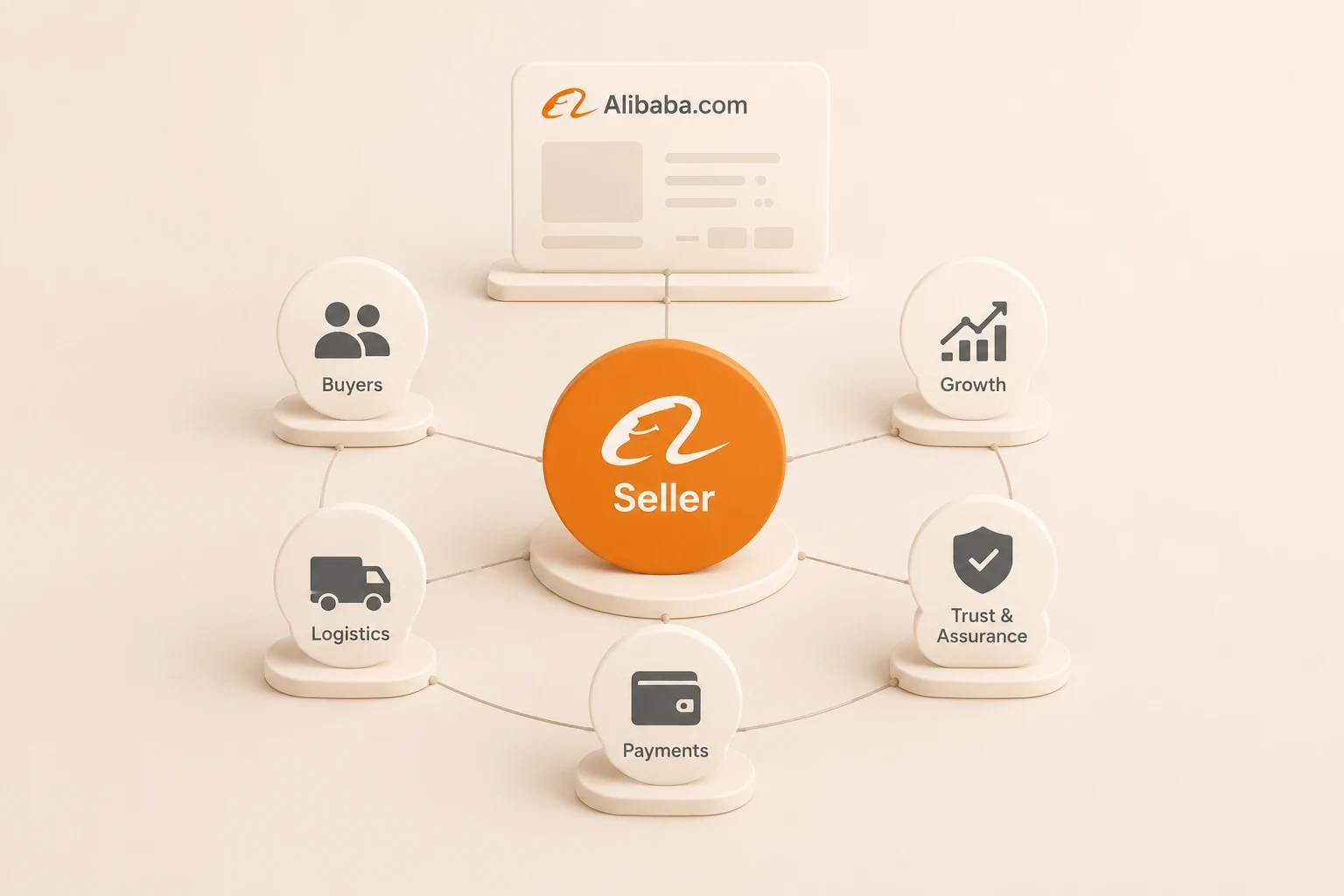
Alibaba.com 卖家生态与决策观察Alibaba.com Seller Ecosystem and Decision-Making Observation
基于深圳和义乌12家卖家访谈的观察:流量成本如何主导卖家决策,以及三类典型卖家画像。Observations from interviews with 12 Alibaba.com sellers in Shenzhen and Yiwu: how traffic costs drive seller decisions, plus a three-type seller taxonomy.
产品讨论Product Discussions
一篇关于如何开产品讨论会的笔记:区分事实判断与价值判断,想清楚哪些讨论值得花时间。Notes on how to run product discussions: separating factual judgments from value judgments and deciding which debates are worth the time.
Comments