北京博物馆漫游指南 - 东城区篇A Roaming Guide to Beijing Museums: Dongcheng
北京博物馆漫游指南的东城区篇:国博、故宫、海关博物馆等的评分与参观建议。The Dongcheng installment of a Beijing museum guide: ratings and visiting tips for the National Museum, the Palace Museum, and more.
北京博物馆漫游指南 - 东城区篇
写在前面
- 本来想把这两年在北京逛过的博物馆/古代建筑/美术馆放在一篇推送里,无奈写起来确实挺费时间。所以只能根据地理位置分篇放出
- 评分/推荐的等级很大程度上基于作者个人的兴趣,作者已经尽量客观了..
- 作者知识范围比较有限,指南里的错误或者疏漏,请一定不吝指出,非常感谢
-
-
- 我是正文的分割线 - - -
-
国家博物馆
展品评价:5
设施/布展评价:4
独特性评价:5
国博还需要说啥吗…
-
地下一层的「古代中国」是常设展览,看完这个展基本上历史教科书上图片里的文物们都可以看一遍实物了
-
二楼常设展览里还有「友好往来」,放的是各个国家送过来的国礼,还蛮有意思的:非洲人民热情奔放,有种有点啥好东西都拿过来的感觉;欧洲国家有时候就送双筷子哈哈哈哈。我就不多剧透了
-
其他常设展览包括青铜器/玉器/钱币佛造像和瓷器,讲真青铜器和钱币的展品比北京的部分专题博物馆都要来得丰富得多。另外,流动展览往往质量也很高。可以关注国博公众号查看,文笔蛮好的..
这两年国博的布展水平提升很大。就介绍来说,基本上展览里涉及到的大部分相关知识都可以得到补充,还是挺长见识的
- 免费,周一闭馆
- 有多家纪念品商店,有原创商品
- 有不定时志愿者讲解
- 没有停车位
- 周边餐饮便利程度极佳。走两步就是王府井。馆内有食物和水提供
强烈推荐参观。
故宫博物院
展品评价:5
设施/布展评价:4
独特性评价:5
故宫还需要说啥吗…
单馆长掌管故宫以来,故宫越来越像一个博物馆了。开放的区域的比例,布展的水平,展品(建筑本身和器物)的质量都得到了很大的提升。所以我觉得虽然养心殿在修,但现在正是逛故宫的好时候。不管是抱着看皇家建筑还是看陶瓷绘画家具造像甚至是猎奇,故宫的180多万件藏品和八千多间屋子都不会让你失望。
-
建议给故宫留一整天时间(5小时以上),慢慢逛
-
建议买票的时候一并把钟表馆/珍宝馆(珍宝馆建筑目前好像在修)的票买了。钟表馆估计是我国目前收藏清代钟表最多的地方了哈哈哈(欢迎指正)。而珍宝馆则是一睹造办处手艺和乾隆皇帝退休生活的好地方。如果时间充裕,可以把清明上河图3.0以及端门数字展一并约上,很值!
-
建议游览故宫的时候不要进门就跟着游人沿着三大殿直直走。可以先逛武英殿文华殿,这两个殿现在分别是陶瓷馆和书画馆。还可以多花点时间在慈宁宫花园,逛逛鹿苑看看锦鲤,避开游人集中的区域。故宫的官网有非常详细的导览,可以非常方便的定制类似「皇帝用膳之旅」「慈禧的一天之旅」什么的
-
逛完之后估计会有「卧槽怎么哪哪儿都是乾隆皇帝!」的感觉哈哈哈
-
故宫的一系列app质量都比较高,推荐下载尝试
-
收费,18年6月开始周一闭馆
-
纪念品商店极多,原创纪念品极多,质量较高。有网店
-
没有停车位
-
周边餐饮便利程度极佳。故宫内也有快餐店,口味3/5,价格不贵
强烈推荐参观。
中国海关博物馆
展品评价:4
设施/布展评价:4
独特性评价:5
海关博物馆主要是讲解海关历史为主,从明代开始讲,一直讲到近些年。主要的藏品是文件,以及海关工作办公用品比如印章/各种器具,还有海关收缴的走私货物什么的A型B型AB型O型都有。
-
海关作为记录狂魔,干了啥,有啥人在海关工作过,啥都写下来了…所以藏品非常详实,几乎是另一个角度的中国近代史。如果对各种文件类型的展品有兴趣/愿意研究,还是可以发现很多有意思的东西的哈哈哈。比如民国时期各种有趣的报关的文件,日伪时期由日本人担任海关关长下发的海关工作证etc..我就不多剧透了
-
现代的文件里甚至包括了新中国的政策下发/各种任命的原件,感觉在其他地方还是看不到的
-
一楼的现代展厅放了各种海关的战利品,将近一米高的象牙,各种化石骨架etc..甚至是毒品以及各种走私的方式的展示,可谓相当耿直,相当开眼界了..
-
海关博物馆还有一个副馆在馆外,是直接把902舰放在地下室了。没错,真船,就是当年小平同志坐过的那艘,整艘…馆内循环播放「1992年那是一个春天」,讲真听得我有点感动..不过有幽闭恐惧症的同学慎入
-
免费,周一闭馆
-
有纪念品商店,有属于自己的文创商品
-
志愿者讲解服务情况未知
-
没有停车位
-
周边餐饮便利程度较佳,中粮广场吃的不少
推荐参观。海关博物馆非常耿直,好东西拿了很多出来给大家看。虽然由海关主办根正苗红,但是展览布置和讲解都很客观,展品丰富,值得一去。
天坛公园
展品评价:5
设施/布展评价:3
独特性评价:5
主要展品是建筑本身。
-
祈年殿/圜丘/皇穹宇和回音壁都值得一看。祈年殿没有使用大梁和长檁,只用了沉香木柱和枋桷相互衔接支撑屋顶,不容错过(就算只拿来拍照发朋友圈也不错的啊..)。另外,祈年殿的配殿有祭天礼仪和天坛历史的简介
-
推荐黄昏游客不多的时候从天坛公园南门进入往北直行,一路穿过圜丘和皇穹宇,沿着丹陛桥走到祈年殿。在皇家建筑礼制文化的包围中,会很有帝国的黄昏的感觉
-
收费,无休息日
-
有纪念品商店,原创商品较多。其实我觉得天坛文创的用心程度仅次于故宫。有网店
-
有志愿者讲解服务
-
周边餐饮便利程度低。不过有个老天桥卤煮挺有名的
推荐参观。建筑本身值回票价和时间了。
北京自然博物馆
展品评价:5
设施/布展评价:4
独特性评价:3
动物主题的博物馆北京挺多的,古生物博物馆,自然博物馆,动物博物馆etc
-
这家自然博物馆的主要展品是各类动物/昆虫的标本,古代生物的骨架。馆里还有一个不大的水族馆
-
从展品来讲,标本数量比较多,基本按照分类以及场景进行还原。骨架包括古黄河象马门溪龙三塔中国鸟,都是比较珍贵的化石。其中比较有意思的比如最大的猪的化石,按场景复原的亚热带丛林,都值得一看
-
一层还有一个复原的恐龙场景小馆,恐龙会动有声音;三层有一个小电影馆,但是我没去过,两个都比较吸引小朋友
-
大部分复原的场景观看体验比较沉浸
-
免费,周一闭馆
-
没有纪念品商店
-
有不定时志愿者讲解
-
没有停车位
-
周边餐饮便利程度低
推荐参观。不过最好避开节假日。小朋友不但很容易踩到,而且叫声杀伤力真的很大啊!
孔庙和国子监博物馆
展品评价:4.5
设施/布展评价:3
独特性评价:5
孔庙和国子监是一个景点。
-
孔庙一大部分展品是各种石碑,乾隆石经之类的石碑其实也是珍品,但展品介绍比较少,几乎没有对碑文的解读。外行过来基本上是看个热闹
-
孔庙另一部分是孔子生平相关的展览,展品以图片和复制品为主。浏览即可
-
国子监有北京唯一不属于寺庙的琉璃牌坊,还有象征天圆地方的辟雍
-
国子监的展览以科举为主题。展品当中有当时写着考生「长得俊美双眼皮(误)」的准考证/放出来的皇榜,还有考试号房的复原etc。总的来说布展比较用心。虽然展品一般,逛逛还是挺有意思的
-
收费,没有休息日
-
没有纪念品商店
-
有不定时志愿者讲解
-
没有停车位
-
周边餐饮便利程度极佳。五道营胡同有家素菜馆子味道不错,日料选择也不少
推荐参观。推荐理由基于建筑和历史地位的特殊性。
保利艺术博物馆
展品评价:4
设施/布展评价:5
独特性评价:5(有四个兽首) / 3(万一兽首被借走展出..)
保利艺术博物馆不大,但是藏品质量佳,品相也很棒。常设展览有一个青铜器展览一个佛造像展览。
-
有大价钱买回来的圆明园兽首!四个!
-
青铜器展馆的展品中,神面卣/白敢畁盨/龙首形盖弓帽都是保存极好,状态极佳的青铜器
-
佛造像馆基本上都是魏晋和南北朝时期的佛造像,时间上早于我们经常看见的明清两代的佛造像。这一时期的佛造像不管是形态还是表情和唐明清都迥异,可以过来看看菩萨的微笑
-
使用微信公众号进行讲解,有语音讲解,十分详细。
-
学生免费,成人20,周日闭馆
-
有纪念品商店,有原创商品
-
志愿者讲解服务情况未知
-
有停车位
-
周边餐饮便利程度较佳。银河SOHO下面不少好吃的
推荐参观。四个兽首就值回票价了。
中国华侨历史博物馆
展品评价:4
设施/布展评价:5
独特性评价:2
华侨历史博物馆的主题其实就是华侨的历史和生存现状。
-
整个博物馆的展现,历史展品和场景重现基本上6:4吧。展品主要是各种历史文件和照片。总的来说主题扣得比较好,介绍内容相对客观,展品虽然大部分都是从华侨处征集来的老物件,但也比较详实丰富
-
第二展厅整个是模仿了一个唐人街,基本上都是各种复原的场景,很有意思。如果你对中国人迁徙海外的历史感兴趣,愿意研究华侨捐出来的各种用来展览的证件文件,会发现很多有意思的事情和东西。比如中国人二十世纪初就开始组团糊弄美国人了2333 (并不是什么光彩的事..)
-
免费,周一闭馆
-
没有纪念品商店
-
志愿者讲解服务情况未知
-
周边餐饮便利极佳,走两步就是簋街
推荐参观。看看还是很长见识的。
雍和宫
展品评价:5
设施/布展评价:5
独特性评价:5
雍和宫是一座藏传佛教寺庙。现在是一所生活着的寺庙,也是雍和宫藏传佛教艺术博物馆。以参拜或者参观藏传佛造像作为目的,我觉得都值得一来。
-
作为寺庙,雍和宫出了名的灵(真的很灵!)
-
作为博物馆,这里也有大量佛像/唐卡/法物法器展出。万佛阁有18米高的弥勒菩萨像,由一根白檀木雕刻而成;铜铸须弥山和坚三世佛五百罗汉山也都是国宝级的文物。
-
收费,无休息日
-
有纪念品商店(法物流通处)
-
无志愿者讲解服务
-
周边餐饮便利程度极佳。五道营胡同有家素菜馆子味道不错,日料选择也不少
推荐参观。打分全五星基于雍和宫真的很灵!
北京警察博物馆
展品评价:4
设施/布展评价:3
独特性评价:4
警察博物馆在原来花旗银行的旧址,和最高法院在一条街上。我觉得建筑本身就值得一看了。藏品方面,主要由警察系统的常用的物件和各种证件文件组成。
-
比较有意思的藏品有建国以来的各种证件,枪支,科技设备和各种现场照片。枪支的收藏尤其丰富,我觉得不输某些枪支博物馆
-
证件文件方面,也提供了建国以来的各种笔录,定罪,侦办记录文件,还有比如写着「不要忘了阶级斗争」的户口本哈哈哈,可以近距离了解警察系统(以前的)的工作方式
-
二楼展厅特别介绍了几个建国以来侦办的大案,照片和介绍详实。如果抱着猎奇的心理过来,也能被满足
总的来说,虽然海关博物馆和警察博物馆同求国家机关主办的博物馆,但警察博物馆在介绍上的客观性比海关博物馆还是稍逊一筹,但仍不失为一个可以一逛的博物馆。
- 免费,周一闭馆
- 有纪念品商店,没有原创商品,服务态度差
- 仅针对团队参观提供志愿者服务
- 没有停车位
- 周边餐饮便利程度一般。不过走一公里左右可以到崇文门,吃的不少
推荐程度依兴趣而定。对共和国历史或者枪支/军事感兴趣的同学,推荐参观。
中国美术馆
展品评价:N/A
设施/布展评价:4
独特性评价:4
-
中国美术馆除了藏宝阁之外几乎没有常设展览。展览内容会有非常大的变化。不过根据我去溜达的经验,大部分展览级别都很高,瞎逛也是很长见识的..
-
布展水平尚可,展品内容都比较丰富。前一阵的韩乐然诞辰120周年展、美美与共都特别棒
-
展览持续时间基本都比较短,一般都是10天左右。有中意的展览要抓紧看
-
免费,周一闭馆
-
有纪念品商店,没有原创商品
-
没有停车位
-
周边餐饮便利程度极佳。走两步就是王府井
推荐程度依兴趣而定。来之前建议先看看有没有感兴趣的展。
中国铁道博物馆(正阳门馆)
展品评价:4
设施/布展评价:4
独特性评价:3
正阳门馆就是原来英国人设计的正阳门东火车站,建筑本身就值得一看了。
-
馆内一层主要介绍中国铁路的历史,历史展品比较丰富。
-
二层三层有挺多火车站和高铁/动车/火车模型/铁路沙盘,还是蛮有意思的,特别是对于火车迷!
-
二层(?)有一个1:1的动车驾驶室体验馆,体验之后感觉一般,而且小朋友比较多。
收费,周一闭馆
- 有纪念品商店,没有原创纪念品
- 志愿者讲解服务情况未知
- 周边餐饮便利程度极佳,走两步就是王府井
推荐程度依兴趣而定。对火车和铁路历史感兴趣的同学,推荐参观。
文博交流馆
展品评价:4
设施/布展评价:2
独特性评价:5
文博交流馆,也就是智化寺。智化寺这个景点很有意思,看着虽然小(其实也很小),但是什么都有。网站、导览app、纪念品商店齐活。
-
藏殿有明代转轮藏,虽然是从别处搬过来的,但是北京唯一的一个。转轮藏上有一个毗卢遮那佛,藻井也比较精美。不过感觉保存的一般,佛像彩绘已经不如殿里简介图片里那么明丽了。
-
智化殿有地藏菩萨与冥府十王壁画,也是明代保存至今的,国宝级。
-
还有万佛阁。万佛阁本身建筑就很美,万佛阁边上的墙上还有对建筑结构的讲解。万佛阁里面的释迦如来造像非常精美,更别说剩下佛龛里的各种小佛了。二楼目前上不去。本来二楼也有一个极精美的藻井,现在在费城了。
-
收费,无休息日
-
有纪念品商店,有原创纪念品,但数量不多
-
志愿者讲解服务情况未知。整点有京音乐的表演,不过水平我判断不来
-
周边餐饮便利程度低。大众点评评分高一点的店都得走一公里以上,苍蝇馆子也不多
推荐程度依兴趣而定。对佛造像特别感兴趣,或者想体验一下京音乐,可以前往参观。
古观象台
展品评价:3
设施/布展评价:3
独特性评价:5
首先古观象台在东裱褙胡同,这个胡同名字多念几遍会发现很有意思啊。其实和它挨着的几个胡同名字也很有意思,大羊毛小羊毛什么的哈哈哈扯远了。
-
古观象台展品主要是明代和清代留下来的古典天文仪器。
-
观象台台上的展品比如混仪简仪等仪器都是真品,且个头都比较大,制作工艺精美,保存比较完好。我几乎没有天文相关的知识储备,就不多评论了。
-
其他地面展厅展品几乎都是图片,布展水平一般,讲解水平较差。
-
收费,周一闭馆
-
有纪念品商店,商品非原创,与天文几乎没有关系(非要说手串的珠子代表八大行星那..也算有点关系吧..)
-
有志愿者讲解服务
-
周边餐饮便利程度一般。走几步去中粮广场吃呗
推荐程度依兴趣而定。对天文感兴趣的同学推荐参观;其他同学路过或者步行范围以内可以参观一下,没有专程前去参观的必要。
钟鼓楼博物馆
展品评价:3
设施/布展评价:2
独特性评价:4
钟鼓楼是两个连在一起的景点。鼓楼在南,钟楼在北。
-
鼓楼相较钟楼形制较大,二楼存放了明代沿用至近代的鼓(已经坏了)和其他一些计时工具
-
鼓楼每个整点会有击鼓表演,还是比较专业的
-
当然上面这俩都不是重点,重点是可以从中轴线从北向南望过去,风景不错的啊!天气好的话你可以一直望到景山
-
钟楼比较小,主要的展品是明代永乐年间铸造的一口钟(不是钟楼上原来的那口了)和一些真实性存疑的介绍,聊胜于无
-
收费,无休息日
-
无纪念品商店
-
有不定期志愿者讲解服务
-
周边餐饮便利程度极佳。距离南锣鼓巷很近
没有专程前去参观的必要。路过或者步行范围以内可以参观一下。
史家胡同博物馆
展品评价:2
设施/布展评价:4
独特性评价:2
史家胡同博物馆主要介绍史家胡同的历史以及胡同里居住过的名人的事迹。别看人家是个胡同博物馆,但是搞得非常认真。
-
藏品不多,比较有特色的是胡同声音的体验。各种叫卖声和各类背景音听听还是很有意思的。
-
展品多数为照片和平常物件,介绍讲解一般。
-
博物馆本身是个四合院。另外史家胡同属于维护得比较好的胡同,可以逛逛。
-
免费,周一闭馆
-
没有纪念品商店,但院内的各种大爷都非常热心,可以聊个天作为纪念哈哈哈
-
志愿者讲解服务情况未知
-
没有停车位
-
周边餐饮便利程度一般。苍蝇馆子不少。脚力好可以走到王府井,大概一公里多一点,吃的就很多了..
没有专程前去参观的必要。路过或者步行范围以内可以参观一下。
人民大会堂
展品评价:5
设施/布展评价:1
独特性评价:5
人民大会堂其实不能算是博物馆,但是基于「逛了长见识」的目的,还是将它列在这里。
-
展品自然是人民大会堂本身了
-
如果有人问我什么地方能见识「低调的奢华」,绝对首推这里
-
过来感受一下我党的伟大光辉吧哈哈哈
-
收费,开馆时间不定
-
没有纪念品商店
-
无志愿者讲解服务
-
周边餐饮便利程度极佳。走两步就是王府井
推荐参观。
Chairman纪念堂
展品评价:N/A
设施/布展评价:N/A
独特性评价:N/A
- 免费,周一闭馆
- 没有纪念品商店
- 无志愿者讲解服务
- 周边餐饮便利程度极佳
推荐参观。
-
- -终于写完的分割线- - -
还有很多我知道/听说过的东城区的正经博物馆/古建筑由于时间/兴趣/其他的原因没有去过。为了保证资料的完整性列在这里(当然也没能列出全部)。近期应该也没有机会去逛了,所以我们西城区博物馆漫游指南再见!
- 自来水博物馆
- 中国医史博物馆
- 中国法院博物馆
- 北京人艺戏剧博物馆
- 中国妇女儿童博物馆
- 中国邮政邮票博物馆
- 古人类文化遗址博物馆
- 柏林寺
A Wanderer’s Guide to Beijing Museums - Dongcheng District
A few words up front
- I had meant to fit all the museums / ancient buildings / art galleries I’ve visited in Beijing these past two years into a single post, but writing it up really does take time. So it will have to come out in installments, by location
- The ratings / recommendation levels are largely based on the author’s personal interests; the author has tried his best to be objective..
- The author’s knowledge is rather limited, so if you spot errors or omissions in this guide, please don’t hesitate to point them out. Many thanks
-
-
- I am the divider before the main text - - -
-
The National Museum of China
Exhibits rating: 5
Facilities / curation rating: 4
Uniqueness rating: 5
Does the National Museum even need an introduction…
-
‘Ancient China’ on floor B1 is a permanent exhibition; walk through it and you will have seen, in the flesh, pretty much every artifact pictured in your history textbook
-
Among the second-floor permanent exhibitions there is also ‘Friendly Exchanges,’ which displays the state gifts sent over by various countries, and it’s rather fun: the peoples of Africa are warm and unreserved, with a feeling of bringing over whatever good things they happen to have; European countries sometimes just send a pair of chopsticks hahahaha. I won’t spoil any more
-
Other permanent exhibitions cover bronzes / jades / coins, Buddhist statuary and porcelain. Honestly, the bronze and coin displays are far richer than those of some of Beijing’s specialized museums. The rotating exhibitions also tend to be of very high quality. You can follow the museum’s official WeChat account to check what’s on; the writing there is quite good..
The museum’s curation has improved a great deal these past two years. As for the interpretive texts, most of the background knowledge an exhibition touches on gets filled in for you, so you come away having learned quite a bit
- Free; closed Mondays
- Several gift shops, with original merchandise
- Volunteer-guided tours at irregular times
- No parking
- Dining nearby is superbly convenient. Wangfujing is a few steps away. Food and water available inside
Strongly recommended.
The Palace Museum
Exhibits rating: 5
Facilities / curation rating: 4
Uniqueness rating: 5
Does the Forbidden City even need an introduction…
Since Director Shan took charge, the Palace Museum has grown more and more like an actual museum. The share of the grounds open to the public, the standard of curation, and the quality of the exhibits (the buildings themselves as well as the objects) have all improved enormously. So even though the Hall of Mental Cultivation is under restoration, I think right now is exactly the time to visit. Whether you come for the imperial architecture, for the ceramics, paintings, furniture, and statuary, or even just to gawk, the Palace Museum’s 1.8 million-plus objects and eight-thousand-odd rooms will not let you down.
-
Set aside a full day (5 hours or more) for the Forbidden City and take it slowly
-
When buying your ticket, get the Hall of Clocks / Treasure Gallery tickets at the same time (the Treasure Gallery building seems to be under repair at the moment). The Hall of Clocks is probably the largest collection of Qing-dynasty clocks in the country hahaha (corrections welcome). The Treasure Gallery, for its part, is a fine place to glimpse the craftsmanship of the Imperial Workshops and the Qianlong Emperor’s retirement life. If you have time to spare, book Along the River During the Qingming Festival 3.0 and the Duanmen digital exhibition as well; very much worth it!
-
When touring the Forbidden City, don’t just follow the crowd straight down the three great halls the moment you enter. Start instead with the Hall of Martial Valor and the Hall of Literary Glory, which now house the ceramics gallery and the painting-and-calligraphy gallery respectively. Spend some extra time in the Cining Palace garden too, strolling the deer park and watching the koi, away from where the visitors concentrate. The Palace Museum’s official website has extremely detailed guides, and you can easily put together something like an ‘imperial dining tour’ or ‘a day in the life of Cixi’
-
By the end you will probably be feeling ‘holy crap, why is the Qianlong Emperor everywhere!’ hahaha
-
The Palace Museum’s series of apps are all of fairly high quality; worth downloading and trying
-
Paid admission; closed Mondays since June 2018
-
Gift shops in abundance, original souvenirs in abundance, decent quality. There is an online store
-
No parking
-
Dining nearby is superbly convenient. There are fast-food outlets inside the palace as well: taste 3/5, not expensive
Strongly recommended.
The China Customs Museum
Exhibits rating: 4
Facilities / curation rating: 4
Uniqueness rating: 5
The Customs Museum is mainly devoted to telling the history of the customs service, from the Ming dynasty all the way up to recent years. The main holdings are documents, along with the working paraphernalia of customs offices such as seals / instruments of every kind, plus the smuggled goods customs has seized and so on, available in types A, B, AB, and O.
-
Customs being a record-keeping fiend, whatever it did, whoever ever worked there, it all got written down… so the collection is remarkably thorough, practically a history of modern China from another angle. If document-type exhibits interest you / you’re willing to dig, there is plenty of fun to be found hahaha. For instance the various amusing customs declarations from the Republican era, or the customs staff ID issued under a Japanese customs commissioner during the occupation etc.. I won’t spoil any more
-
The modern documents even include originals of New China’s policy circulars / various appointment papers, which I suspect you won’t see anywhere else
-
The modern gallery on the first floor displays customs’ assorted trophies: an elephant tusk nearly a meter tall, fossil skeletons of every kind etc.. even narcotics and demonstrations of the various methods of smuggling. Remarkably candid, and quite the eye-opener..
-
The Customs Museum also has an annex beyond the main building: they simply put Vessel 902 in the basement. Yes, the real ship, the very one Comrade Xiaoping once sailed on, the whole thing… Inside, ‘1992, That Was a Spring’ plays on loop, and honestly it moved me a little.. those with claustrophobia should think twice, though
-
Free; closed Mondays
-
Gift shop, with its own line of cultural merchandise
-
Volunteer guide service: unknown
-
No parking
-
Dining nearby is fairly convenient; plenty to eat at COFCO Plaza
Recommended. The Customs Museum is remarkably candid and has brought out a great many good things for everyone to see. Though it is run by Customs itself, red-rooted and true, the staging and the interpretation are objective, the exhibits are rich, and it is worth the trip.
The Temple of Heaven Park
Exhibits rating: 5
Facilities / curation rating: 3
Uniqueness rating: 5
The main exhibit is the architecture itself.
-
The Hall of Prayer for Good Harvests / the Circular Mound Altar / the Imperial Vault of Heaven and the Echo Wall are all worth seeing. The Hall of Prayer uses no great beams or long purlins; the roof is held up entirely by agarwood pillars and interlocking squared rafters. Not to be missed (even if only as a photo for your WeChat Moments..). The Hall of Prayer’s side halls also carry brief introductions to the rites of Heaven worship and the history of the Temple of Heaven
-
I recommend entering by the park’s south gate at dusk when the visitors have thinned, and walking straight north: through the Circular Mound Altar and the Imperial Vault of Heaven, then along the Danbi Bridge to the Hall of Prayer. Wrapped in the ritual culture of imperial architecture, you get a strong feeling of the twilight of empire
-
Paid admission; open every day
-
Gift shop with a good range of original merchandise. Honestly I’d rank the care put into the Temple of Heaven’s cultural products second only to the Palace Museum’s. There is an online store
-
Volunteer guide service available
-
Dining nearby is inconvenient. Though there is a rather famous old Tianqiao luzhu place
Recommended. The architecture alone repays the ticket and the time.
The Beijing Museum of Natural History
Exhibits rating: 5
Facilities / curation rating: 4
Uniqueness rating: 3
Beijing has quite a few animal-themed museums: the paleozoological museum, the natural history museum, the zoological museum etc
-
This natural history museum’s main exhibits are specimens of all kinds of animals / insects and the skeletons of ancient creatures. There is also a smallish aquarium inside
-
As for the exhibits, the specimens are numerous, arranged mostly by taxonomy and by reconstructed scene. The skeletons include the ancient Yellow River elephant, Mamenchisaurus, and Sinornis santensis, all rather precious fossils. Among the more interesting pieces, the fossil of the largest pig ever and the reconstructed subtropical jungle are both worth a look
-
On the first floor there is also a small hall with a reconstructed dinosaur scene, where the dinosaurs move and make sounds; the third floor has a little cinema, though I’ve never been. Both are magnets for small children
-
Most of the reconstructed scenes are fairly immersive to view
-
Free; closed Mondays
-
No gift shop
-
Volunteer-guided tours at irregular times
-
No parking
-
Dining nearby is inconvenient
Recommended. Best to avoid holidays, though. Small children are not only terribly easy to step on, their shrieks pack real firepower!
The Confucius Temple and Imperial College Museum
Exhibits rating: 4.5
Facilities / curation rating: 3
Uniqueness rating: 5
The Confucius Temple and the Imperial College are a single site.
-
A large share of the Confucius Temple’s exhibits are stone steles of various kinds. Steles like the Qianlong Stone Classics are genuine treasures, but the labels are sparse, with almost no interpretation of the inscriptions. A layperson basically comes for the spectacle
-
The other part of the temple is an exhibition on the life of Confucius, mostly pictures and replicas. A quick browse will do
-
The Imperial College has Beijing’s only glazed archway not belonging to a temple, along with the Biyong hall, symbol of the round heaven and the square earth
-
The Imperial College’s exhibition takes the civil examinations as its theme. Among the exhibits are period admission slips describing a candidate as ‘handsome, with double eyelids (kidding)’ / imperial results lists as posted, plus a reconstruction of the examination cells etc. On the whole the curation is careful. The exhibits are ordinary, but it’s still fun to wander
-
Paid admission; open every day
-
No gift shop
-
Volunteer-guided tours at irregular times
-
No parking
-
Dining nearby is superbly convenient. There’s a good vegetarian restaurant in Wudaoying Hutong, and no shortage of Japanese options either
Recommended. The recommendation rests on the singularity of the architecture and its place in history.
The Poly Art Museum
Exhibits rating: 4
Facilities / curation rating: 5
Uniqueness rating: 5 (it has four of the bronze animal heads) / 3 (in case the heads are away on loan..)
The Poly Art Museum is not large, but the collection is of fine quality and in superb condition. The permanent exhibitions are one of bronzes and one of Buddhist statuary.
-
It has the Old Summer Palace bronze animal heads, bought back at great price! Four of them!
-
Among the bronze gallery’s exhibits, the spirit-face you vessel / the Bogan Bi xu vessel / the dragon-head canopy-bow caps are all superbly preserved bronzes in immaculate state
-
The statuary gallery holds mostly Buddhist figures from the Wei-Jin and Northern and Southern Dynasties, earlier than the Ming and Qing statuary we usually see. Figures of this period differ utterly from Tang, Ming, and Qing work in both form and expression; come and see the bodhisattvas smile
-
Interpretation is delivered through the WeChat official account, with audio guides, extremely detailed.
-
Free for students, 20 yuan for adults; closed Sundays
-
Gift shop, with original merchandise
-
Volunteer guide service: unknown
-
Parking available
-
Dining nearby is fairly convenient. Plenty of good food beneath Galaxy SOHO
Recommended. The four animal heads alone repay the ticket.
The Overseas Chinese History Museum of China
Exhibits rating: 4
Facilities / curation rating: 5
Uniqueness rating: 2
The museum’s subject is just that: the history of the overseas Chinese and how they live today.
-
Across the whole museum, historical exhibits to reconstructed scenes runs about 6:4. The exhibits are mainly historical documents and photographs of various kinds. On the whole it keeps close to its theme, the interpretation is relatively objective, and though most exhibits are old objects collected from overseas Chinese families, they are detailed and plentiful
-
The second gallery is one whole imitation Chinatown, essentially all reconstructed scenes, great fun. If the history of Chinese migration overseas interests you, and you’re willing to pore over the IDs and papers donated by overseas Chinese for display, you’ll turn up plenty of interesting things and stories. For instance, Chinese people were already teaming up to bamboozle the Americans by the early twentieth century lol (not exactly a proud moment..)
-
Free; closed Mondays
-
No gift shop
-
Volunteer guide service: unknown
-
Dining nearby is superbly convenient; Gui Street is a few steps away
Recommended. A visit will teach you a good deal.
The Yonghe Temple
Exhibits rating: 5
Facilities / curation rating: 5
Uniqueness rating: 5
The Yonghe Temple is a Tibetan Buddhist monastery. Today it is a living temple, and also the Yonghegong Museum of Tibetan Buddhist Art. Whether your purpose is worship or viewing Tibetan Buddhist statuary, I think it’s worth the visit either way.
-
As a temple, Yonghegong is famously efficacious (it really, really works!)
-
As a museum, it also displays a wealth of Buddha figures / thangkas / ritual objects and implements. The Ten Thousand Buddhas Pavilion holds an 18-meter statue of the Maitreya Bodhisattva carved from a single trunk of white sandalwood; the bronze-cast Mount Sumeru, the Buddhas of the Three Ages, and the Mountain of Five Hundred Arhats are likewise national-treasure-grade artifacts.
-
Paid admission; open every day
-
Gift shop (the Dharma goods counter)
-
No volunteer guide service
-
Dining nearby is superbly convenient. There’s a good vegetarian restaurant in Wudaoying Hutong, and no shortage of Japanese options either
Recommended. The straight five-star scores rest on the fact that Yonghegong really works!
The Beijing Police Museum
Exhibits rating: 4
Facilities / curation rating: 3
Uniqueness rating: 4
The Police Museum occupies the former Citibank building, on the same street as the Supreme Court. To my mind the building alone is worth a look. As for the collection, it consists mainly of the everyday gear of the police system plus documents and credentials of every kind.
-
The more interesting holdings include credentials of every era since the founding of the People’s Republic, firearms, technical equipment, and scene photographs of all kinds. The firearms collection is especially rich; I’d say it doesn’t lose to some dedicated gun museums
-
On the document side, there are also interrogation transcripts, convictions, and investigation records from every period since the founding, plus things like a household register printed with ‘never forget class struggle’ hahaha. You can get a close-up look at how the police system (of former times) did its work
-
The second-floor gallery gives special treatment to several major cases investigated since the founding, with thorough photographs and write-ups. If you come out of morbid curiosity, you will not leave unsatisfied
All in all, though the Customs Museum and the Police Museum are both museums run by organs of the state, the Police Museum falls a shade short of the Customs Museum in the objectivity of its interpretation. Still, it remains a museum worth a wander.
- Free; closed Mondays
- Gift shop, no original merchandise, surly service
- Volunteer guides for group visits only
- No parking
- Dining nearby is middling. Walk a kilometer or so to Chongwenmen, though, and there’s plenty to eat
Recommendation depends on your interests. For those interested in the history of the Republic or in firearms / military matters, recommended.
The National Art Museum of China
Exhibits rating: N/A
Facilities / curation rating: 4
Uniqueness rating: 4
-
Apart from the treasures gallery, the National Art Museum has almost no permanent exhibitions, and what’s on can change drastically. But in my experience of wandering in, most exhibitions are of a very high level, and even aimless browsing teaches you a lot..
-
The curation is passable, and the exhibitions are all fairly substantial. The recent exhibition for the 120th anniversary of Han Leran’s birth and ‘Beauty in Harmony’ were both outstanding
-
Exhibitions mostly run short, usually around 10 days. If one catches your eye, hurry
-
Free; closed Mondays
-
Gift shop, no original merchandise
-
No parking
-
Dining nearby is superbly convenient. Wangfujing is a few steps away
Recommendation depends on your interests. Check whether anything on show interests you before you come.
The China Railway Museum (Zhengyangmen branch)
Exhibits rating: 4
Facilities / curation rating: 4
Uniqueness rating: 3
The Zhengyangmen branch is the old British-designed Zhengyangmen East railway station; the building alone is worth seeing.
-
The first floor mainly covers the history of China’s railways, with a good stock of historical exhibits.
-
The second and third floors have plenty of station models and high-speed rail / EMU / train models / railway dioramas. Rather fun, especially for train fans!
-
The second floor (?) has a 1:1 EMU driver’s cab experience; having tried it, it’s so-so, and rather thick with small children.
Paid admission; closed Mondays
- Gift shop, no original souvenirs
- Volunteer guide service: unknown
- Dining nearby is superbly convenient; Wangfujing is a few steps away
Recommendation depends on your interests. For those interested in trains and railway history, recommended.
The Cultural Heritage Exchange Center
Exhibits rating: 4
Facilities / curation rating: 2
Uniqueness rating: 5
The Cultural Heritage Exchange Center is Zhihua Temple. Zhihua Temple is an interesting site: it looks small (and truly is small), yet it has everything. Website, guide app, gift shop, the full kit.
-
The Scripture Hall has a Ming-dynasty revolving sutra cabinet, moved here from elsewhere, but the only one in Beijing. Atop it sits a Vairocana Buddha, and the caisson ceiling is rather fine too. The preservation feels middling, though; the painted colors of the Buddha figures are no longer as bright as in the photos on the hall’s information board.
-
Zhihua Hall has a mural of Ksitigarbha and the Ten Kings of the Underworld, likewise surviving from the Ming, national-treasure grade.
-
Then there is the Ten Thousand Buddhas Pavilion. The pavilion itself is a beautiful building, and the wall beside it even carries an explanation of its structure. The Shakyamuni figure inside is exquisite, to say nothing of all the small Buddhas in the remaining niches. The second floor is currently off limits. It too once had a caisson ceiling of extreme beauty; it is in Philadelphia now.
-
Paid admission; open every day
-
Gift shop with original souvenirs, though not many
-
Volunteer guide service: unknown. On the hour there are performances of Jing music, though the standard is beyond my judging
-
Dining nearby is inconvenient. Anywhere with a slightly higher Dianping rating is a kilometer-plus walk, and there aren’t even many hole-in-the-wall joints
Recommendation depends on your interests. If Buddhist statuary particularly interests you, or you’d like a taste of Jing music, it’s worth going.
The Ancient Observatory
Exhibits rating: 3
Facilities / curation rating: 3
Uniqueness rating: 5
First of all, the Ancient Observatory sits in Dongbiaobei Hutong, a name that gets funnier the more times you say it aloud. The hutongs beside it have fun names too, Big Wool and Little Wool and the like hahaha but I digress.
-
The exhibits are mainly classical astronomical instruments left from the Ming and Qing dynasties.
-
The instruments up on the platform, such as the armillary sphere and the simplified armilla, are all genuine, all of considerable size, finely wrought, and quite well preserved. I have almost no astronomy in my stores of knowledge, so I’ll refrain from further comment.
-
The other ground-level galleries are almost all pictures; the curation is middling and the interpretation rather poor.
-
Paid admission; closed Mondays
-
Gift shop; the goods are not original and have almost nothing to do with astronomy (if you insist that the beads on the bracelets stand for the eight planets, then.. fine, slightly related..)
-
Volunteer guide service available
-
Dining nearby is middling. Just walk over to COFCO Plaza
Recommendation depends on your interests. Recommended for those keen on astronomy; everyone else can drop in if passing or within walking distance, but there’s no need for a special trip.
The Bell and Drum Towers Museum
Exhibits rating: 3
Facilities / curation rating: 2
Uniqueness rating: 4
The Bell and Drum Towers are two sites joined together. The Drum Tower stands to the south, the Bell Tower to the north.
-
The Drum Tower is the larger of the two in build; its second floor keeps the drum used from the Ming into modern times (now broken) and a few other timekeeping devices
-
On the hour the Drum Tower has a drumming performance, fairly professional
-
Of course neither of those is the point. The point is that you can look down the central axis from north to south, and the view is a fine one! On a clear day you can see all the way to Jingshan
-
The Bell Tower is smaller; its main exhibits are a bell cast in the Yongle years of the Ming (no longer the tower’s original) and some write-ups of doubtful authenticity, better than nothing
-
Paid admission; open every day
-
No gift shop
-
Volunteer-guided tours at irregular times
-
Dining nearby is superbly convenient. Very close to Nanluoguxiang
No need for a special trip. Drop in if you’re passing or within walking distance.
The Shijia Hutong Museum
Exhibits rating: 2
Facilities / curation rating: 4
Uniqueness rating: 2
The Shijia Hutong Museum mainly covers the history of Shijia Hutong and the stories of the notable people who once lived there. Don’t be fooled by its being a mere hutong museum: it is run with great earnestness.
-
The collection is small; its most distinctive feature is the hutong soundscape experience. The assorted hawkers’ cries and background sounds of every kind are well worth a listen.
-
Most exhibits are photographs and everyday objects; the interpretation is middling.
-
The museum itself is a siheyuan courtyard house. Shijia Hutong is also among the better-maintained hutongs, worth a stroll.
-
Free; closed Mondays
-
No gift shop, but the assorted old uncles around the courtyard are wonderfully warm; have a chat as your souvenir hahaha
-
Volunteer guide service: unknown
-
No parking
-
Dining nearby is middling. No shortage of hole-in-the-wall joints. With good legs you can walk to Wangfujing, a bit over a kilometer, where there’s plenty to eat..
No need for a special trip. Drop in if you’re passing or within walking distance.
The Great Hall of the People
Exhibits rating: 5
Facilities / curation rating: 1
Uniqueness rating: 5
The Great Hall of the People can’t really be counted a museum, but in the spirit of ‘visit and learn something,’ I list it here anyway.
-
The exhibit, naturally, is the Great Hall of the People itself
-
If anyone asks me where to witness ‘understated luxury,’ this is absolutely my first pick
-
Come feel the great radiance of our Party hahaha
-
Paid admission; opening times vary
-
No gift shop
-
No volunteer guide service
-
Dining nearby is superbly convenient. Wangfujing is a few steps away
Recommended.
The Chairman Memorial Hall
Exhibits rating: N/A
Facilities / curation rating: N/A
Uniqueness rating: N/A
- Free; closed Mondays
- No gift shop
- No volunteer guide service
- Dining nearby is superbly convenient
Recommended.
-
- -the divider of finally being done- - -
There remain many proper museums / ancient buildings in Dongcheng that I know of / have heard of but haven’t visited, for reasons of time / interest / whatever else. For the completeness of the record I list them here (though of course even this is not all of them). I doubt I’ll get the chance to visit them anytime soon, so it’s see you in the Wanderer’s Guide to Xicheng District!
- The Tap Water Museum
- The Museum of Chinese Medical History
- The China Court Museum
- The Beijing People’s Art Theatre Museum
- The China Women and Children’s Museum
- The China Post and Postage Stamp Museum
- The Ancient Hominid Culture Site Museum
- Bailin Temple
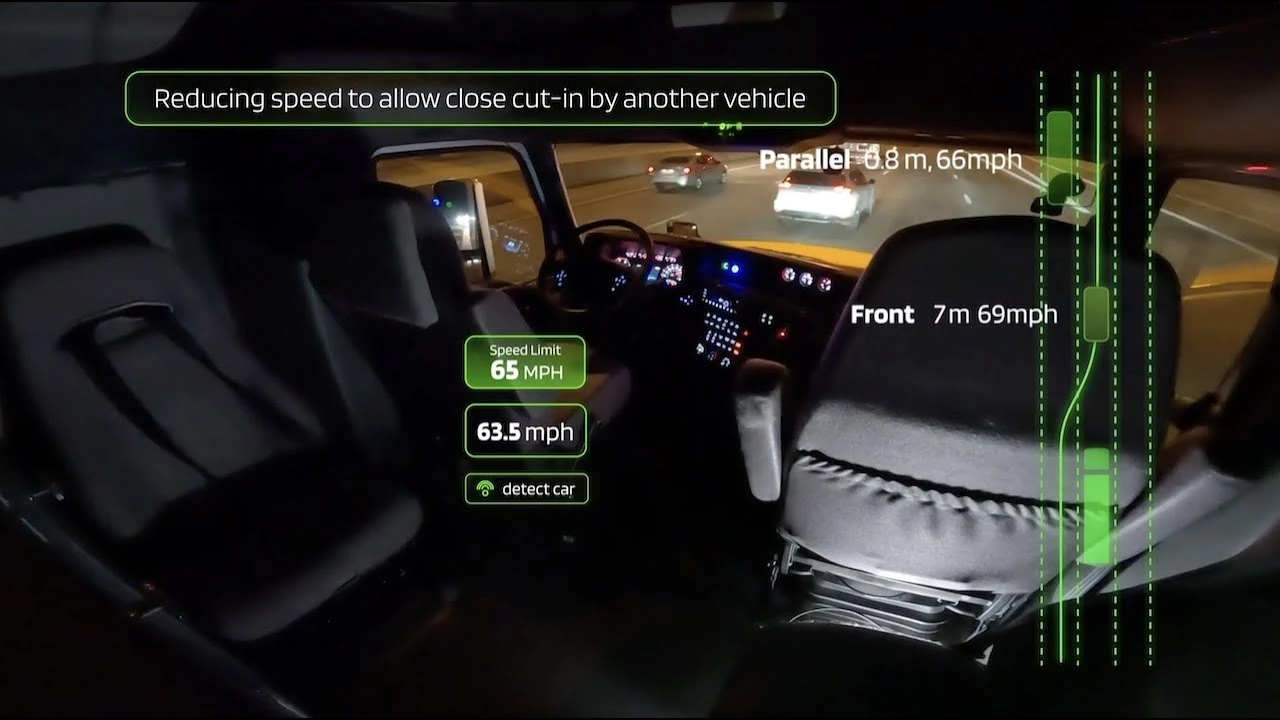
构建快速的产品问题解决迭代Forming Fast Product Problem-solving Iterations
在 TuSimple 构建快速的产品问题解决迭代:对齐上下文,最大化参与决策,快速实验,管理预期。Forming fast product problem-solving iterations at TuSimple: shared context, maximized participation in decision-making, quick experiments, and expectation management.

颠覆性技术公司用户研究入门Disruptive Technology Company User Research 101
在图森未来时写给团队初级设计师的一份用户研究入门。A user research primer written for the junior designers on my team at TuSimple.
产品讨论Product Discussions
一篇关于如何开产品讨论会的笔记:区分事实判断与价值判断,想清楚哪些讨论值得花时间。Notes on how to run product discussions: separating factual judgments from value judgments and deciding which debates are worth the time.
Comments