[第一弹]产品狗要读硕士,该读什么项目?[Part 1] A Product Dog Wants a Master's: Which Programs?
产品狗要读硕士该读什么项目?第一弹:从MIT IDM到UW MSTI,盘点设计、工程与商业整合的硕士项目。Part one of which master's programs suit a product dog: from MIT IDM to UW MSTI, programs that blend design, engineering, and business.
产品狗要读硕士,该读什么项目?
知乎上有人问过这个问题,回答是念心理学,念社会学etc..也有很多当了几年产品经理的同学去念了Information Science或者HCI。
可是!产品经理明明是一个整合型的工作,方法论上来讲,最大的竞争力是同时具有多个行业/学科的知识以及整合创新的能力。
如果花数年时间深入钻研某一个特定的学科,是否性价比真的高,效果真的好呢?如果去念IS学科,是否真的能与业界有持续的紧密联系呢?又以及,一条产品狗,在申请的时候怎样和那些本专业科班出身的同学们竞争呢?撇开干了几年产品之后突然对某个深入的领域产生兴趣,以及还没有步入社会,想要读一个对口岗位是产品经理的小盆友们不论,我觉得产品狗要继续念书,就应该继续发挥自己的优势。
学习商业/设计/其他行业相关的知识,同时继续学习如何更好的进行整合。对于这部分想读书升华一下自己粗糙的方法论,给自己的职业生涯探索更多可能性的产品同学们,我觉得有几个项目是可以满足这个需求的。我给大家非常简单粗糙的介绍一下
MIT idm
神校的项目。项目的目标是用爱感动世界(误)。目标是整合MIT的工程学院和商学院的资源,加上系主任自己的设计背景,培养同时拥有设计,工程和商业技能的人才。项目在ID Lab下面,所以会有非常多设备和资源,来让项目的学生实现自己想做的事情。课程如之前所说,集中在管理,工程和设计方面,官网写得很详细。而且info session就跟连续剧似的两三个月就更新一次,所以..去看info session吧!
- 项目时长两年(也有13个月的选项但是基本上大家都选两年21个月的选项),每年招20-22个人。学费大概7万刀
- 每一个最终录取的同学都需要面试。
- 主要看你做的项目够不够epic (info session上的原话),以及最少2年工作经验。
Harvard MDE
http://www.gsd.harvard.edu/design-engineering/
GSD整体风格还是偏建筑的,不知道MDE项目是不是也会偏向建筑背景的申请者。比较关注社会问题,项目的目标是尝试将社会问题,环境问题和科技融合,视野(貌似)放得比较大。第一年基本上课,会教数据分析,用研方法,也会教管理力相关的课程。课程偏方法论。第二年选课题做项目,和业界联系比较紧密。
- 2年,项目规模未知,学费大概10w多一点
- 申请者要求最少2年工作经验
Stanford Design Impact Engineering
http://designimpact.stanford.edu/
一个一言不合就给自己改名字的项目。一个DDL十二月份的项目。一个貌似从来没招过中国人的项目。由于项目的想法一直都在变,我就不说之前的情况了。对于19fall的同学来说,今年这个项目有了两个主题,能源和健康设备。感兴趣的同学可以去官网自己看看..
- 2年,项目规模未知,学费大概6万
- 都大S了,就别问GRE TOEFL要求啥的了吧..
Upenn IPD
官网很丑。分为M:IPD和MSE:IPD,区别是申请者是否工程背景。同样是Engineer+Design+Business。非常偏工设,对设计强调比较多。
- 每届十几个人,项目很小
- 信息很少,我没申。欢迎了解的同学补充信息。
Northwestern University EDI
http://design.northwestern.edu/engineering-design-innovation/
超级小,超级温暖的一个项目!项目的原意是给工程背景的同学们培养Design thinking,但是官网说非工程背景的人也可以申请。项目是Studio制度的。整个项目里会学到设计思维,设计策略和其他好玩的东西,同时也会产出产品,学的东西会偏工业设计一点。由于项目是15个月的,所以会有时间实习,对于想要留美的同学来说是个好消息。另外由于项目比较小,所以Career Service之类的都会顾及到每个人。以及,作为项目的两个Co-founder:Amy和Jim超级棒!Amy和Jim超级棒!Amy和Jim超级棒!
- 15个月,每年招大概不到20个人。项目总费用大概7万刀
- 官网说托福90分以上即可,GRE要求官网挺高,但是实测有320+3.5的同学拿到ad
- 不一定要面试,对工作经验没有要求
CMU MIIPS
https://www.cmu.edu/iii/degrees/miips/Miips
同样也是Engineer+Design+Business,知乎讨论很多,不说了。整个项目对设计基础还是有一些注重的,另外定位比较工业设计。
- 项目时间相对比较短,9个月的track 4w6,16个月7w
UW MSTI
https://www.techinnovationdegree.uw.edu/
UW这个学校一发出来突然就矮了一头。但这并不能说明MSTI这个项目就不是好项目。和上面的几个项目不同,MSTI并不是立足于设计来看这个整合的问题。而是尝试站在一个平衡点去结合设计,科技和商业。直接说自己想培养的就是创业者和产品经理。课程很硬,有大量的硬件课程,传感器图像处理什么的。对于设计的要求没有上面几个项目那么重,讨论的更多是设计的方法论。非常有钱!!去visit day的小伙伴发来的小视频,让大家感觉:有钱!有钱!非常有钱!实验室里一排放二十几个3D打印机。
- 有编程相关的先修课的要求
- 15个月,项目大概70-100人,总费用15个月的track大概5w
If a product dog wants a master’s, which programs should they pick?
Someone asked this question on Zhihu, and the answers were: study psychology, study sociology, etc.. Quite a few people who had been product managers for a few years also went off to study Information Science or HCI.
But wait! Product management is so clearly an integrative job; methodologically speaking, the greatest competitive edge is holding knowledge from multiple industries/disciplines at once, together with the ability to integrate and innovate.
If you spend several years drilling deep into one particular discipline, is the value for money really that high, does it really work that well? If you go study IS, can you really keep a close, ongoing connection with the industry? And besides, how is a product dog supposed to compete at application time with classmates formally trained in that very field? Setting aside those who, after a few years of product work, suddenly develop an interest in some deep specialty, and the kiddos who haven’t yet entered the working world and want a degree whose matching job title is product manager, I think a product dog who keeps studying should keep playing to their own strengths.
Learn business/design/other industries’ knowledge, while continuing to learn how to integrate it all better. For those product folks who want to study to refine their rough methodology and explore more possibilities for their careers, I think a few programs can meet the need. Let me give you a very quick and rough introduction
MIT idm
A program at the legendary school. The program’s goal is to move the world with love (kidding). The goal is to integrate the resources of MIT’s school of engineering and its business school, plus the department head’s own design background, to cultivate people who hold design, engineering, and business skills all at once. The program lives under the ID Lab, so there are an awful lot of machines and resources for students to realize whatever they want to make. The courses, as said above, center on management, engineering, and design; the official site spells them out in detail. And the info sessions update every two or three months like a running TV series, so.. go watch the info sessions!
- The program runs two years (there’s also a 13-month option, but basically everyone picks the two-year, 21-month one), admitting 20-22 people a year. Tuition around 70k bucks
- Every student who ends up admitted has to interview.
- What mainly matters is whether the projects you’ve done are epic enough (their exact words at the info session), plus a minimum of 2 years’ work experience.
Harvard MDE
http://www.gsd.harvard.edu/design-engineering/
The GSD’s overall style still leans architectural, and I don’t know whether the MDE program also favors applicants with architecture backgrounds. It pays real attention to social issues; the program’s goal is to try to fuse social problems, environmental problems, and technology, with its sights set (seemingly) fairly wide. The first year is mostly coursework: data analysis, user research methods, plus courses on management skills. The curriculum leans methodological. In the second year you choose a topic and do a project, with fairly close ties to industry.
- 2 years, program size unknown, tuition a little over 100k
- Applicants need at least 2 years of work experience
Stanford Design Impact Engineering
http://designimpact.stanford.edu/
A program that renames itself at the drop of a hat. A program whose deadline is in December. A program that has seemingly never admitted a Chinese student. Since the program’s ideas keep changing, I won’t go into how it used to be. For those aiming at fall 2019, this year the program comes with two themes: energy and health devices. If you’re interested, go look at the official site yourself..
- 2 years, program size unknown, tuition around 60k
- It’s the mighty S; let’s not ask about GRE or TOEFL requirements and such..
Upenn IPD
The official site is ugly. It splits into M:IPD and MSE:IPD, the difference being whether the applicant has an engineering background. Likewise Engineer+Design+Business. It leans very hard toward industrial design, with a lot of emphasis on design.
- A dozen or so people per cohort; a very small program
- There’s very little information, and I didn’t apply. Anyone who knows it is welcome to add more.
Northwestern University EDI
http://design.northwestern.edu/engineering-design-innovation/
A super small, super warm program! It was originally meant to cultivate Design thinking in students from engineering backgrounds, but the official site says people without engineering backgrounds may apply too. The program runs on a Studio system. Across the program you’ll learn design thinking, design strategy, and other fun things, and you’ll produce products along the way; what you learn leans a bit toward industrial design. Since the program is 15 months, there’s time for an internship, which is good news for those hoping to stay on in the US. And because the program is small, things like Career Service actually look after every single person. Also, on the program’s two Co-founders: Amy and Jim are amazing! Amy and Jim are amazing! Amy and Jim are amazing!
- 15 months, admitting a bit under 20 people a year. Total program cost around 70k bucks
- The official site says a TOEFL above 90 will do; the GRE bar on the site looks high, but in practice students with 320+3.5 have gotten offers
- An interview isn’t always required, and there’s no work experience requirement
CMU MIIPS
https://www.cmu.edu/iii/degrees/miips/Miips
Also Engineer+Design+Business; it gets discussed plenty on Zhihu, so I’ll say no more. The program does put some weight on design fundamentals, and its positioning is fairly industrial-design.
- Relatively short: the 9-month track is 46k, the 16-month one 70k
UW MSTI
https://www.techinnovationdegree.uw.edu/
The moment the name UW comes out, this one suddenly stands a head shorter. But that says nothing about whether MSTI is a good program. Unlike the programs above, MSTI doesn’t stand on design to look at this integration question. Instead it tries to stand at a point of balance and combine design, technology, and business. It states outright that the people it wants to cultivate are entrepreneurs and product managers. The coursework is hardcore, with a heavy load of hardware courses: sensors, image processing, that sort of thing. The design requirements aren’t as heavy as in the programs above; the discussion is more about design methodology. Extremely rich!! The little videos sent back by friends who went to visit day left everyone with one feeling: rich! Rich! Extremely rich! Twenty-odd 3D printers lined up in a single row in the lab.
- There are programming-related prerequisite requirements
- 15 months, roughly 70-100 people; total cost for the 15-month track around 50k
构建快速的产品问题解决迭代Forming Fast Product Problem-solving Iterations
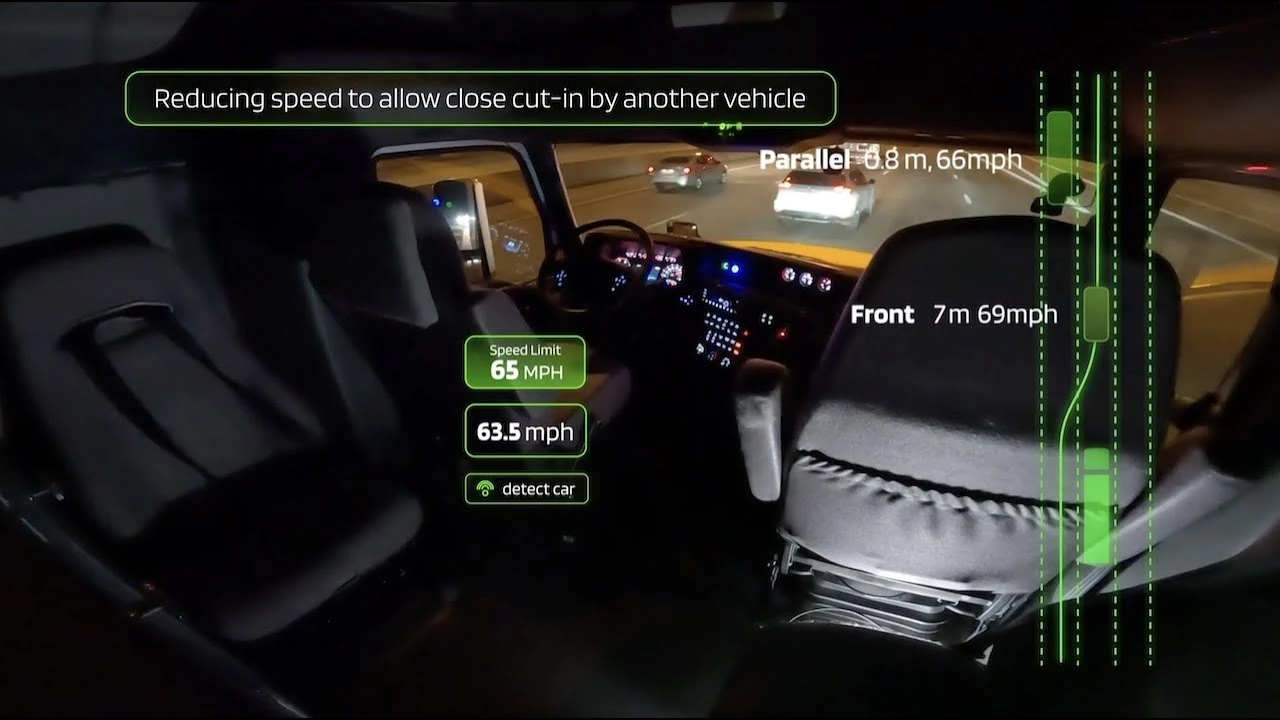
在 TuSimple 构建快速的产品问题解决迭代:对齐上下文,最大化参与决策,快速实验,管理预期。Forming fast product problem-solving iterations at TuSimple: shared context, maximized participation in decision-making, quick experiments, and expectation management.

颠覆性技术公司用户研究入门Disruptive Technology Company User Research 101
在图森未来时写给团队初级设计师的一份用户研究入门。A user research primer written for the junior designers on my team at TuSimple.
产品讨论Product Discussions
一篇关于如何开产品讨论会的笔记:区分事实判断与价值判断,想清楚哪些讨论值得花时间。Notes on how to run product discussions: separating factual judgments from value judgments and deciding which debates are worth the time.
Comments