卫哲的3+1提问法Wei Zhe's 3+1 Questions
转载:一篇讲卫哲3+1提问法的文章,用四个问题检验一个需求到底靠不靠谱。A repost on Wei Zhe's 3+1 questioning method: four questions that test whether a product need is real.
近几年在年初年尾的时候总碰到这样的事:“现在的小老板都用个小本本记帐,太不方便了,我们今年要给中小企业提供一个管理财务的工具,这样就可以帮助中小企业把钱管起来了”,“给客户做个电子传真的功能吧,他们就可以节约大量的传真费用和纸了”。“给客户做个在线买软件服务的开放平台吧,这样他们就能在这里买到所有需要的软件服务了”……
当我们决定做什么的时候,成功还是失败,50%就已经注定了。那究竟什么是靠谱的呢?貌似只有做了才知道,那有办法提高成功率吗?有一次卫哲来做走动管理,对每一条产品线都问了3+1个问题,令我印象深刻:
当时我们正在做一款淘宝卖家的管理工具,其中有一个功能是帮助淘宝卖家研究市场行情的,接着问题就来了:
卫:“你们怎么想到要做这个产品的?”
我:“我们在和卖家接触的时候发现有很多人花很多时间了解竞争对手的情况和市场上什么好卖。”
卫:“有多少卖家做这件事?多久做一次”
我:“大部分卖家每周都会做几次”
卫:“他们现在是怎么了解竞争对手的情况和市场上什么好卖的?”
我:“他们现在每天都会上淘宝进行搜索,找到同类商品卖得好的卖家,然后看他的关键字设置有什么特点,价格是多少,卖了多少个,做了什么活动,每周要花好几小时。”
卫:“那用了你们的产品,他们怎么做这件事?”
我:“用了我们的产品,他们一方面可以看到针对他的某个宝贝,同行的类似宝贝有哪些,价格如何,销量如何。另一方面可以看到某一类目下特定关键字下,哪些宝贝卖得最好。”
卫:“也就是说你们是帮他们节约时间?小企业的时间是不值钱的,中国是这样,美国也是这样。”
我:“…”
卫:“这些数据他们自己在网上能看到吗?”
我:“能,但有些统计和分析,比如平均价格,有多少人比他价格高之类的他不知道。”
卫:“那知道了这些信息之后呢?他能做什么?”
我:“他可以做一些关键字的修改,价格的修改,或者换一下推广的商品,做直通车的时候可以更有的放矢。”
卫:“那我们的功能有没有和推广挂钩,比如和直通车做整合?直接让他做直通车的优化?”
我一愣,这个问题我还没有想过,但立刻意识到这可能是个方向:“还没有,不过的确是个很好的方向。”
卫:“那客户在用了你们的产品后,网站数据上会有什么反应?”
我:“也许卖家的搜索行为会减少吧,修改的次数会增加”
……
1个月后产品上线,在一个月内就吸引了上万的付费客户,但是这些客户的留存率却很低,很多人都反映一个问题:这些问题告诉我了,然后呢?
到这里,再回顾一下这次谈话,有几点是很令人惊讶的:
1. 卫哲其实没有接触过我们的业务,也许也没有接触过淘宝的客户,但通过这些问题,却很快的延伸出了几个有价值的问题,使得业务的本质显露出来。如:“那用了你们的产品,他们怎么做这件事?”
2. 所有的信息都是我们给出的,但很多问题却是我们之前没有想过的,结论也是我们之前没有想到的。
于是我们思考:是否这套分析思路可以适用于任何的陌生环境和陌生业务,让我们通过问出正确的问题来了解更多有价值的信息,然后做出判断。
卫哲把这套问问题的方法称为3+1:
3:
需求是从哪里来的?目标客户是谁?
有多少人有这样的需求?这个需求紧迫吗?
他们的痛是什么?场景是什么?(用产品之前/之后)
+1:
解决之后在网站数据上会有什么表现?
前3个问题能够帮我们切入问题的本质,引发更多的思考,后一个问题让我们思考到底要什么样的结果,如何衡量。
第一问:需求从哪里来,目标客户是谁
这个问题要一分为二,先说“需求从哪里来”,个人感觉这是最强大一个问题,直接把半数以上不靠谱的需求都枪毙了:到底是我们想做,还是客户想要?我们常常发现很多的需求是我们想要,或者我们觉得客户想要。比如“我们做一个财务管理的软件,就可以帮小企业把钱都管起来了,现在他们记账太混乱了”。可是当产品出来了,我们访问小企业的时候,大部分人不觉得这是个问题:“我们这么小的企业,弄个本子记记就行了”“我们已经请了兼职的会计,她都能搞定的。”这个项目其实还有点小插曲:做财务软件其实是大老板的战略规划,我们常常碰到这样的项目,基于集团的战略,我们决定向某个方向进军,可是做的时候呢,我们很容易把“行动方向”变成了“行动计划”。比如这个项目,老板要的是一个财务方面的产品,但我们在执行的时候,直接就变成了一个财务软件,但说不定某种“财务服务”才是客户需要的呢?
再来说说“目标客户是谁”,这是个老生常谈了,但还是很关键,我们最常犯的毛病就是把目标客户群给笼统化,扩大化了:最近我们在做一个推荐物流的项目,就是让阿里巴巴的诚信通客户来网上用德邦/新邦物流的时候能享受VIP价格,比他自己寄更便宜。这里的目标客户是谁?“所有诚信通的企业”当然是最正确的回答,但没有用,不能解决问题。接下来就要问:“谁最需要这样的推荐物流的服务?”当然是一年物流发得多的人。什么样的人物流发得多?生意好的人。如何判断生意好?网站交易量/浏览量大的人。BINGO,我们发现了要做好推荐物流应该和交易及浏览挂钩,优先对这部分人进行营销和服务。这时候就可以开始指导实践了,一大堆相关的想法开始蹦出来:是否给成交额在**以上的客户提供额外的优惠?是否对客户网站成交之后进行针对性引导?是否在客户成交之后根据其所在地精准推荐物流线路?……你看,好问题带来好想法!当然前面“生意好的人”不是唯一的答案,也有可能是“发货东西比较重,比较大的客户”,那后面推出的可能就是特定的行业做精准的营销和服务,比如五金行业。
第二问:有多少人有这样的需求?这个需求紧迫吗?
这也是个很牛的问题,有多少人有这样的需求意味着市场的容量,紧迫程度意味着解决需求的价值。容量+价值=有没有意义做。二者缺一不可。之前我们做的网店管理的工具就是这样的情况,的确很多人都有这样的需求,也愿意来使用以节省时间,但是对他来说扩大生意,找到新的客户才是最迫切的,因此,虽然付费的人很多,但注定我们无法在这上面收很高的费用,因为我们带来的价值是“省时间”,而小企业的时间不值钱(与此相关,iamsujie同期的一篇文章)。最近有个做英语培训学校的同学和我在聊天,说他发现其实他们的学生出国前都需要购置很多东西,他希望开办一个网站来告诉学生需要买哪些东西,同时可以在他的网站买。这些学生出国准备的资讯虽然是需要的,但决不是最迫切的。有多少人愿意为此买单不太好说。
如何了解市场容量和紧迫性呢?一般来说,紧迫性是我们通过深访就可以得到,比如我们去找10个小老板聊聊,就会有个直观的感觉,有多少人觉得财务管理很迫切。(当然这里要注意自己不要带着主观意愿去和他们诱导式地聊,否则听到的就只是我们想听的结果。)市场容量就复杂了,在线调研之类的常常容易使那些最有需求的人来填问卷,从而给我们错误的结论。采用随机抽样后的访谈要相对好一些,如果一个人听到你的来意之后不愿跟你多聊,基本上这事他不太需要。
第三问:他们的痛是什么?场景是什么(用产品之前/之后)
这一问是从战略到执行落地的关键一环,一件事情靠不靠谱其实光看方向是看不出来的,个人的感觉是“没有靠谱的方向,只有靠谱的做法。”而做法从哪里来呢?其实就是这里谈到的两个问题:
1. 客户的问题的场景我们是不是真的找到了?(用产品之前的场景)
2. 我们为产品设定的使用场景是否真的会发生?(用产品之后的场景)
这让我想起阿里巴巴最近在做的B2C业务:无名良品,简单的说就是阿里巴巴把B2B的供应商引入到淘宝,开辟一块独立的市场,从工厂直接向消费者提供产品。我们的出发点是B2B的供应商多(都?)是工厂,因此会比淘宝的卖家拥有更好的货源,能够给消费者提供更好的商品。在这件事情中,最终的客户是消费者,用这个问题来问一下的话,我们要问“消费者的痛是什么?”现在消费者来到淘宝,愿意花时间淘便宜货,喜欢讨价还价的就去集市,想要快速买到质量有保证的货的就去商城。“痛点”在哪?能想到的有“他们想要买工厂的一手货源,不想买经销商的”,“他们想买外贸尾单”,“他们想要更高质量的服务”。定位在不同的痛点会延伸出后续不同的做法。从目前来看,无名良品还是定位在“厂货”和“外贸尾单”。那么买家能否在淘宝买到“厂货”和“尾单”呢?搜一下你就会发现,大把的存在,且真伪难辨。那么无名良品能分辨吗?目前不能。那要去分辨吗?也许,但得先问问上一个问题:目前有多少人在淘宝上想找工厂货和外贸货但是不满意,才能决定有没有意义把它作为核心策略。如果我们还无法明确定位客户目前的痛的时候,客户的痛解决以后的场景自然无从谈起。所以虽然我不了解目前无名良品的运营状况,但我想作为我自己也是一个消费者,我始终会问一个问题:我到了淘宝,什么情况下该去无名良品买东西呢?求解…
又想起一个例子,最近在和淘宝的同事讨论淘宝开超市的事,简单来说就是淘宝在上海开一家网上超市,卖传统超市里的商品。这里我们也来拿这两个问题套一套:
问:“客户的痛是什么?”
答:“现在在淘宝买不到一箱可乐,一大卷卫生纸,或是一箱方便面”
问:“有人想在淘宝上买这些东西吗?”
答:“我也想啊”
问:“为什么不买呢?”
答:“运费太贵了,另外没有一家店能买到上述的三样东西” OK,客户的痛出来了,那我们应该给客户提供什么样的价值也顿时明确了(使用后的场景):让客户能够在一家店用比较低的运费买到上述生活日用品。
+1:解决之后在网站数据上会有什么表现?
我们认为自己是在为客户提供价值,那总得用点啥来衡量价值有没有被认可,提供了多大的价值。比如:搜索优化了,那客户在搜索后列表页面点击率应该会提升,首页优化了,那首页点击率应该会上升。付款流程优化了,付款成功的人会上升。这个问题会逼我们去思考到底我们的客户价值到底是什么?什么是我们想要的结果,从而制订出有意义的KPI。大到一个部门,小到一个功能,都是这样。
最近我们在做一个网页呼叫的功能,让买家在网站上可以免费给卖家打电话,而不用担心长途费。这样的功能能得到认可吗?当然,付费用户数是一个很好的指标,但它跟太多的因素有关,那有什么标准能帮我们清晰地看到我们提供了多大的价值吗?我们找到了一个指标:每天接通的电话数,包括总数和人均。逻辑是这个产品的价值就是买家的呼叫,如果有买家愿意打这电话,就意味着产生了价值,所以通过关注这个指标,我们开始关注:“为什么买家没有打电话”,是因为“按钮不够明显”,还是“本来到卖家商铺的买家就太少”,还是“打电话的流程中还有很多担忧(比如资费)”,还是“买家本来就不喜欢打电话”。于是我们开始做几件事:“多布点,把按钮做得更明显”,“针对询盘多的卖家优先开通,推广”,“针对客户担忧比较多的问题在流程中做重点说明”。这个问题逼我们去思考如何提供并传递客户价值。试想如果我们的关注重点如果是“付费客户数”,也许我们关心的就更多的是付款流程,订购流程,打包出售之类的东西了。
In recent years, around the start and end of the year, I keep running into things like this: “Small-business owners these days all keep their accounts in a little notebook, it’s terribly inconvenient. This year we should give small and medium enterprises a tool for managing their finances; that way we can help them get their money under control.” “Let’s build customers an electronic fax feature, so they can save a fortune on fax charges and paper.” “Let’s build customers an open platform for buying software services online, so they can buy every software service they need right here.”…
The moment we decide what to do, success or failure is already 50% sealed. So what, exactly, counts as sound? It seems you only find out by doing it. Is there a way, then, to raise the odds of success? Once, Wei Zhe came by doing management by walking around and asked 3+1 questions of every product line. It left a deep impression on me:
At the time we were building a management tool for Taobao sellers, and one of its features helped sellers research market conditions. Then came the questions:
Wei: “How did you come to build this product?”
Me: “In our contact with sellers, we found many of them spend a great deal of time finding out what their competitors are up to and what sells well in the market.”
Wei: “How many sellers do this? How often”
Me: “Most sellers do it a few times every week”
Wei: “How do they currently find out what competitors are doing and what sells well in the market?”
Me: “Right now they go on Taobao every day and search, find the sellers whose similar items sell well, then study what’s distinctive about their keyword setup, what their prices are, how many units they’ve sold, what promotions they’ve run. It costs them a good few hours a week.”
Wei: “And with your product, how do they do this?”
Me: “With our product, on the one hand, for any given listing of theirs, they can see which similar listings their peers have, at what prices, with what sales. On the other, they can see which listings sell best in a given category under a specific keyword.”
Wei: “So what you’re doing is saving them time? A small business’s time is worth nothing. True in China, and true in America too.”
Me: ”…”
Wei: “Can they see this data themselves online?”
Me: “They can, but some of the statistics and analysis they don’t know: things like the average price, or how many people are priced above them.”
Wei: “And once he knows all this? What can he do?”
Me: “He can make some keyword changes, some price changes, or swap out which items he promotes, and aim more precisely when he runs Zhitongche.”
Wei: “Then does our feature hook into promotion at all, say, integrate with Zhitongche? Let him optimize his Zhitongche campaigns directly?”
I froze for a moment; the question had never crossed my mind, but I realized at once it might be a direction: “Not yet, but that really is a very good direction.”
Wei: “And after customers use your product, how will it show in the site data?”
Me: “Sellers’ search behavior will probably decrease, and their number of edits will increase”
…
The product went live a month later, and within a month it drew over ten thousand paying customers. Yet these customers’ retention was very low, and many of them raised the same issue: you’ve told me all this, and then what?
At this point, looking back on that conversation, several things are quite startling:
-
Wei Zhe had never actually touched our business, and perhaps had never dealt with Taobao customers either, yet through these questions he quickly branched into several valuable ones that brought the essence of the business to light. Such as: “And with your product, how do they do this?”
-
All of the information came from us, yet many of the questions were ones we had never thought of before, and so were the conclusions.
So we wondered: could this line of analysis apply to any unfamiliar setting and any unfamiliar business, letting us learn more valuable information by asking the right questions, and then make a judgment.
Wei Zhe calls this method of asking questions 3+1:
3:
Where does the need come from? Who is the target customer?
How many people have this need? Is the need urgent?
What is their pain? What is the scenario? (before / after using the product)
+1:
Once it’s solved, how will it show in the site data?
The first 3 questions help us cut into the essence of the problem and set off further thinking; the last one makes us think about what result we actually want, and how to measure it.
Question one: where does the need come from, and who is the target customer
This question splits in two. Take “where does the need come from” first. Personally I feel this is the most powerful question of them all; it summarily executes more than half of all the unsound requirements: is it that we want to build it, or that customers want it? We constantly find that many requirements are what we want, or what we believe customers want. For instance, “let’s build financial management software, and we can help small businesses get all their money under control; their bookkeeping is far too chaotic right now.” But when the product came out and we visited small businesses, most of them didn’t think this was a problem at all: “A business as small as ours, a notebook to jot things down does fine.” “We’ve already hired a part-time accountant, and she can handle everything.” That project actually came with a little side story: the finance software was in fact the big boss’s strategic plan. We run into such projects often. Based on group strategy, we decide to march in some direction; but when it comes to the doing, we turn the “direction of action” straight into the “plan of action” all too easily. In this project, what the boss wanted was a product in the finance space, yet in execution it became, without further thought, a piece of finance software; who’s to say some sort of “finance service” wasn’t what customers actually needed?
Now for “who is the target customer.” This is an old chestnut, but it’s still critical, and the fault we commit most often is letting the target customer group blur into generality, swelling ever larger. Recently we’ve been working on a logistics-referral project: letting Alibaba’s TrustPass customers enjoy VIP pricing when they use Deppon or Xinbang logistics online, cheaper than shipping on their own. Who is the target customer here? “All TrustPass businesses” is of course the most correct answer, but it’s useless; it solves nothing. The next question must be: “Who needs such a logistics-referral service the most?” Those who ship the most in a year, naturally. What sort of people ship a lot? People whose business is thriving. How do you tell whose business is thriving? Those with heavy transaction and browsing volume on the site. BINGO, we discovered that doing logistics referral well should be tied to transactions and browsing, with marketing and service going to these people first. At that point it can begin to guide practice, and a great heap of related ideas comes leaping out: should customers whose transaction volume tops ** get an extra discount? Should customers receive targeted guidance after a deal closes on the site? Should we recommend precise logistics routes based on a customer’s location once his deal closes?…You see, good questions bring good ideas! Of course, “people whose business is thriving” isn’t the only answer up there; it could equally be “customers who ship heavier, bulkier goods,” and what follows might then be precise marketing and service for particular industries, hardware, for instance.
Question two: how many people have this need? Is the need urgent?
This too is a mighty question. How many people have the need speaks to the market’s size; how urgent it is speaks to the value of solving it. Size + value = whether it’s worth doing at all. Neither can be spared. The shop-management tool we built earlier was exactly such a case: many people truly did have the need, and were happy to use it to save time, but what pressed on them most was growing the business and finding new customers. Hence, though plenty of people paid, we were fated never to charge much for it, because the value we brought was “saving time,” and a small business’s time is worth nothing (related: a piece iamsujie wrote around the same time). Recently a classmate who runs an English-training school was chatting with me. He’d noticed that his students all need to buy a great many things before going abroad, and he hoped to launch a website that tells students what to buy, where they could also buy it on his site. That kind of study-abroad preparation information, while needed, is by no means the most urgent thing. How many people would pay for it is hard to say.
How do we get a read on market size and urgency? Generally speaking, urgency can be had through in-depth interviews: go chat with 10 small-business owners, and you’ll come away with a gut feel for how many find financial management pressing. (Take care here, of course, not to bring your own wishes along and lead them on as you chat, or what you hear will be nothing but the answer you wanted to hear.) Market size is more complicated. Online surveys and the like all too easily draw the very people with the strongest need to fill in the questionnaire, handing us the wrong conclusion. Interviews after random sampling do somewhat better; if a person hears what you’ve come for and doesn’t care to talk further, then odds are he doesn’t much need this thing.
Question three: what is their pain? What is the scenario (before / after using the product)
This question is the crucial link where strategy lands in execution. Whether a thing is sound can’t in fact be seen from its direction alone; my own feeling is that “there are no sound directions, only sound ways of doing.” And where does the way of doing come from? Precisely from the two questions here:
-
Have we truly found the scenario of the customer’s problem? (the scenario before using the product)
-
Will the usage scenario we’ve set for the product actually happen? (the scenario after using the product)
This reminds me of the B2C business Alibaba has been building recently: Wuming Liangpin. Simply put, Alibaba brings its B2B suppliers onto Taobao and opens up an independent market, supplying products from the factory straight to the consumer. Our premise was that B2B suppliers are mostly (all?) factories, so they command better sources of goods than Taobao’s sellers and can offer consumers better products. In this venture, the final customer is the consumer, and if we run this question over it, we must ask, “What is the consumer’s pain?” A consumer coming to Taobao today who is willing to spend time hunting bargains and loves to haggle goes to the marketplace; one who wants quality-assured goods fast goes to the Mall. Where is the “pain point”? What comes to mind: “they want first-hand factory goods, not a middleman’s,” “they want export surplus stock,” “they want higher-quality service.” Anchoring on different pain points extends into different approaches afterward. As things stand, Wuming Liangpin is still positioned on “factory goods” and “export surplus.” Well then, can buyers get “factory goods” and “surplus” on Taobao? Search once and you’ll see: they exist by the armful, the true and the false past telling apart. Can Wuming Liangpin tell them apart, then? Not at present. Should it try to? Perhaps, but the previous question must come first: how many people on Taobao today are looking for factory goods and export goods and going away unsatisfied? Only that decides whether it’s meaningful as the core strategy. And so long as we still can’t pin down the customer’s present pain, the scenario after that pain is solved is naturally nowhere to be discussed. So although I don’t know how Wuming Liangpin’s operations are faring at the moment, I think, being a consumer myself, I will keep asking one question: when I’ve come to Taobao, under what circumstances should I go to Wuming Liangpin to buy something? Solutions welcome…
Another example comes to mind. Lately I’ve been discussing with Taobao colleagues the business of Taobao opening a supermarket. In short, Taobao opens an online supermarket in Shanghai that sells what a traditional supermarket sells. Here too, let’s fit these two questions over it:
Q: “What is the customer’s pain?”
A: “Right now you can’t buy a case of cola on Taobao, or a big roll of toilet paper, or a carton of instant noodles”
Q: “Does anyone want to buy these things on Taobao?”
A: “I’d like to myself”
Q: “Then why not buy them?”
A: “The shipping is too expensive, and besides, there isn’t a single shop where you can buy all three of the above” OK, the customer’s pain is out in the open, and what value we ought to provide becomes instantly clear as well (the after-use scenario): let customers buy those daily household goods from one shop, at fairly low shipping.
+1: once it’s solved, how will it show in the site data?
We hold that we’re providing customers value; then something has to measure whether that value is being recognized, and how much value has been provided. For instance: if search is optimized, customers’ click-through on the results page after a search should improve; if the homepage is optimized, homepage click-through should climb; if the payment flow is optimized, the number of people paying successfully should climb. This question forces us to think about what our customer value really is, and what result we really want, and from there to set KPIs that mean something. As large as a department, as small as a feature: it’s the same all the way through.
Recently we’ve been building a web-call feature that lets buyers phone sellers free from the website, without worrying about long-distance charges. Will such a feature be recognized? Certainly, the number of paying users is a fine metric, but it’s tied to too many factors; is there some standard that lets us see plainly how much value we’ve provided? We found one metric: calls connected per day, both the total and the per-person average. The logic runs: this product’s value is the buyer’s call, and if a buyer is willing to place that call, value has been created. So by watching this metric, we began to watch: “why hasn’t the buyer called,” is it that “the button isn’t visible enough,” or that “too few buyers reach the seller’s storefront in the first place,” or that “the calling flow still holds many worries (charges, for one),” or that “buyers never liked making calls to begin with.” And so we set about a few things: “add more placements, and make the button more visible,” “open it first to sellers with many inquiries, and promote it to them,” “give the issues customers worry most about a prominent explanation within the flow.” This question forces us to think about how to provide customer value and see it delivered. Just imagine, if the focus of our attention had been “the number of paying customers,” we might well have cared more about the payment flow, the ordering flow, bundling and selling, that sort of thing.
构建快速的产品问题解决迭代Forming Fast Product Problem-solving Iterations
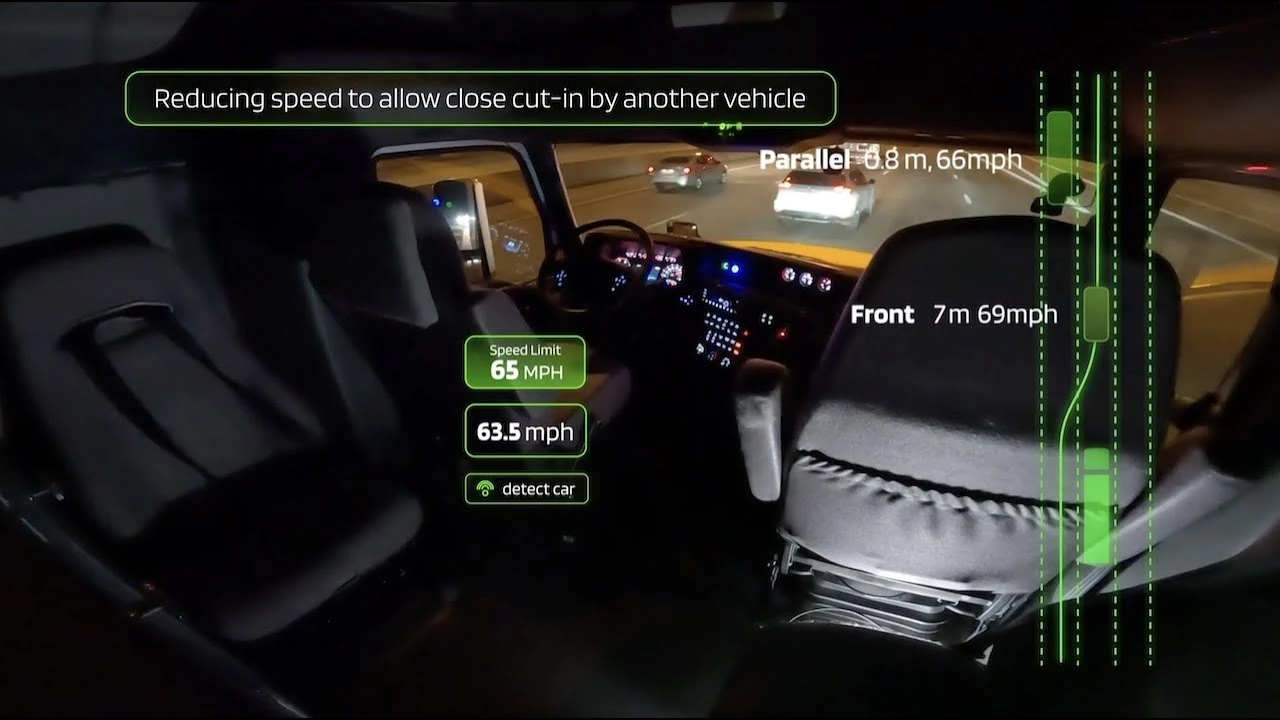
在 TuSimple 构建快速的产品问题解决迭代:对齐上下文,最大化参与决策,快速实验,管理预期。Forming fast product problem-solving iterations at TuSimple: shared context, maximized participation in decision-making, quick experiments, and expectation management.

颠覆性技术公司用户研究入门Disruptive Technology Company User Research 101
在图森未来时写给团队初级设计师的一份用户研究入门。A user research primer written for the junior designers on my team at TuSimple.

X3 中的克拉克·肯特The Clark Kent of X3s
订一台选满M运动套件的宝马X3 30i:一台暗自想成为X3M的克拉克·肯特,附提车照片。Ordering a BMW X3 30i in full M Sport dress: a Clark Kent that secretly wishes it were an X3M, with delivery photos.
Comments