盲从的陷阱The Pitfalls of Blindly Following in China
把判断力拱手让给欧美视角、无脑附和的盲从,是典型的对撞因子偏误。On handing your judgment over to Euro-American voices: mindless deference to power is a textbook case of collider bias.
你会在乎一个印度学者怎么理解中国吗?大部分普通民众应该不怎么在乎。但欧美学者甚至记者从他们的角度谈一下中国,好多人就会在乎、紧张甚至单纯根据他们的观点进行自我检讨和行为的修正。当然还会有人附和:哈哈哈的确不合理很荒谬我也早这么觉得了。
外国人也就算了,对本国本语言更符合自己价值观的媒体更加信任本就无可厚非。但是中国人呢?这些随声附和的人真的理解中国吗?
拱手把判断力让给人家,本能地用完全不可能理解自己国家的价值观指导自己的观念,最后只能导致事实上的双向失语:对欧美世界的只言片语仰面接涎,没有自己的看法;对本国事物和体制观察上居高临下,结论上武断粗暴。
而正如一开始所说的,这一部分人作出这样的判断通常并非因为欧美世界的判断更有逻辑更有说服力,而是因为欧美国家实力更加强大,在传播、对事实的解释上某种程度来讲更有话语权。而无脑崇拜强权、放弃自己独立思考的权利和机会,就好像你小时候你妈觉得优等生因为成绩好所以做的所有和学习有关无关的决定都会更加正确一样,是典型的受到对撞因子偏误影响的结果。
Would you care how an Indian scholar understands China? Most ordinary people probably wouldn’t. But the moment European or American scholars, or even journalists, say a few words about China from their own vantage point, plenty of people start to care, get nervous, or even set about self-examination and correcting their behavior purely on the strength of those views. And of course some will chime in: hahaha, it really is unreasonable, utterly absurd, I always thought so myself.
Foreigners are one thing; there is nothing wrong with trusting the media of your own country and your own language, media that better fits your values. But the Chinese? Do these people echoing along really understand China?
Handing your judgment over to others, instinctively letting values that could never possibly understand your own country steer your own convictions, can only end in what is in effect a loss of speech in both directions: craning upward to catch whatever scraps fall from the Euro-American world, with no views of your own; and observing your own country’s affairs and institutions from a great height, with conclusions arbitrary and crude.
And as I said at the beginning, these people usually reach such judgments not because the Euro-American world’s judgments are more logical or more persuasive, but because the European and American countries are stronger, and in transmission, in the interpretation of facts, they hold in some measure more of the discourse power. To worship power mindlessly and give up your own right and chance to think independently, the way your mom, back when you were a kid, figured that because the top student’s grades were good, every decision he made, school-related or not, must be more correct, is the textbook result of falling under collider bias.
构建快速的产品问题解决迭代Forming Fast Product Problem-solving Iterations
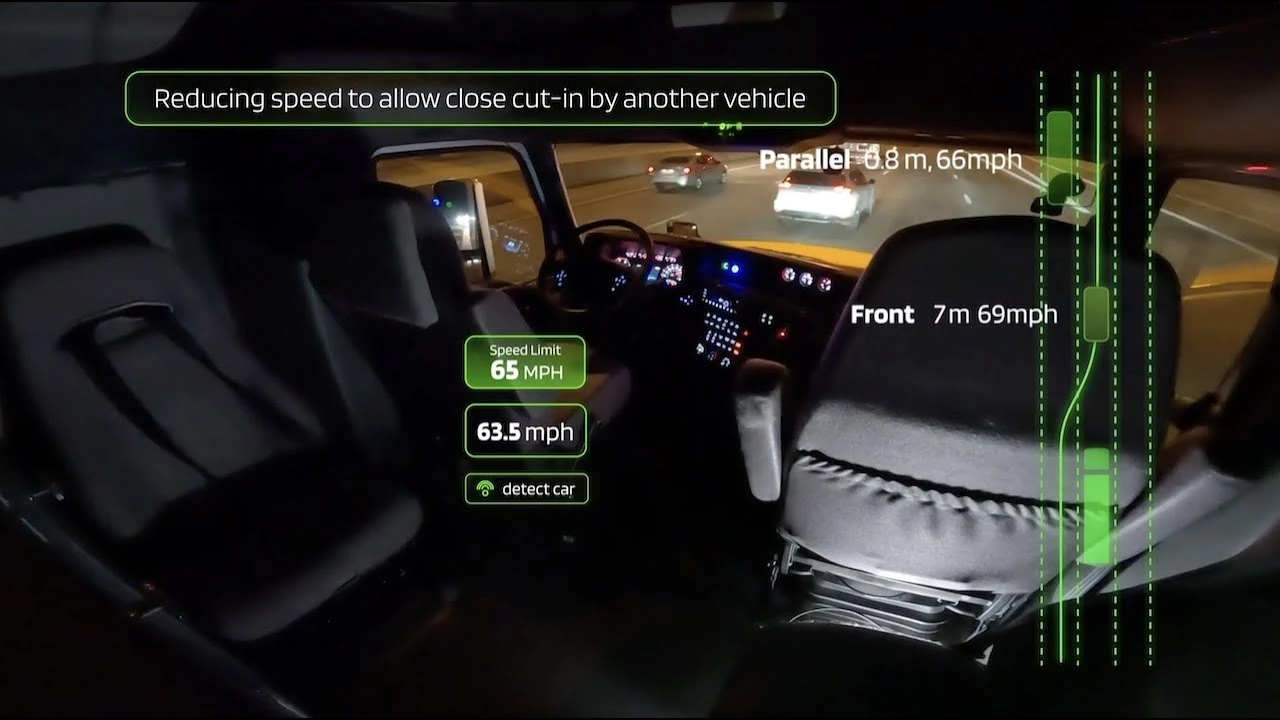
在 TuSimple 构建快速的产品问题解决迭代:对齐上下文,最大化参与决策,快速实验,管理预期。Forming fast product problem-solving iterations at TuSimple: shared context, maximized participation in decision-making, quick experiments, and expectation management.

颠覆性技术公司用户研究入门Disruptive Technology Company User Research 101
在图森未来时写给团队初级设计师的一份用户研究入门。A user research primer written for the junior designers on my team at TuSimple.

X3 中的克拉克·肯特The Clark Kent of X3s
订一台选满M运动套件的宝马X3 30i:一台暗自想成为X3M的克拉克·肯特,附提车照片。Ordering a BMW X3 30i in full M Sport dress: a Clark Kent that secretly wishes it were an X3M, with delivery photos.
Comments